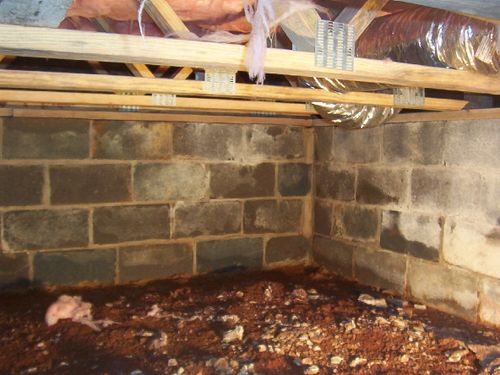
Did you know that a damp crawlspace can lead to mold growth, structural damage, and unwanted pests in your home? Addressing crawlspace moisture issues is crucial for maintaining a healthy and safe living environment. This comprehensive guide will take you through the essentials of crawlspace waterproofing—from identifying common moisture problems to implementing effective solutions that keep your space dry and secure. By investing in crawlspace waterproofing and insulation, you’re not only protecting your home’s structural integrity but also safeguarding your health and reducing long-term costs. Read on to learn how maintaining a dry crawlspace can improve your home’s overall comfort, efficiency, and longevity.
Understanding the Importance of Crawlspace Waterproofing
 Moisture in your crawlspace is more than a minor inconvenience—it’s a serious threat to your home and health. When left unaddressed, damp conditions can lead to mold growth, wood rot, pest infestations, and poor indoor air quality. Even seemingly minor issues, like condensation on crawlspace joists, can evolve into costly problems.
Effective waterproofing is a multi-layered approach that involves identifying and addressing the sources of moisture. Whether it’s groundwater seepage, poor drainage, or unsealed crawlspace vents, tackling these issues is the foundation of creating a healthier, more resilient home. Let’s explore how water enters your crawlspace, the risks it poses, and the solutions that can keep your home safe.
How Moisture Enters Your Crawlspace
1. Groundwater Seepage and Leakage
During heavy rains or wet seasons, water from the ground can seep into your crawlspace through cracks in the foundation or basement walls. Without proper barriers, this moisture can accumulate, leading to damp conditions that encourage mold and mildew growth. Groundwater issues are particularly common in homes with improper drainage systems or poorly graded landscaping.
2. Outdoor Air and Humidity
Outdoor air often brings humidity into the crawlspace, especially during warmer months. When this humid air enters and cools in the crawlspace, condensation forms on surfaces like joists, subfloors, and pipes. Over time, this condensation can damage wood and promote mold growth. Poor ventilation exacerbates the problem, creating a cycle of moisture buildup.
3. Plumbing Leaks and Internal Sources
Leaky pipes or HVAC systems can introduce moisture into the crawlspace, often going unnoticed until significant damage has occurred. Dripping pipes or faulty sump pumps can create standing water, increasing the risk of structural issues and attracting pests.
Addressing these issues requires a combination of preventative measures and active management, such as installing vapor barriers, improving drainage, and sealing off moisture entry points.
The Impact on Indoor Air Quality
Moisture in the crawlspace doesn’t stay contained—it affects the air you breathe throughout your home. Air naturally moves upward from the crawlspace, carrying moisture, mold spores, and other allergens into your living spaces.
Health Risks of Poor Air Quality
Damp crawlspaces create ideal conditions for mold and mildew, which release spores into the air. These spores can trigger allergies, asthma, and other respiratory issues. Children, elderly individuals, and those with pre-existing health conditions are particularly vulnerable to these airborne contaminants.
Improving Air Quality Through Crawlspace Encapsulation
Crawlspace encapsulation involves sealing off the crawlspace with a durable vapor barrier, preventing moisture from entering and improving the overall air quality in your home. Encapsulation not only reduces allergens but also creates a cleaner, healthier indoor environment.
Regular maintenance, such as repairing leaks and using dehumidifiers, can further enhance air quality by keeping moisture levels in check. By addressing crawlspace moisture, you’re investing in the health and comfort of your household.
Structural Risks From Unaddressed Moisture
Unresolved moisture issues in the crawlspace can compromise the structural integrity of your home over time.
1. Soil Instability
Excess moisture softens the soil beneath your home, causing it to shift or settle unevenly. This can lead to cracks in the foundation, uneven floors, and other structural imbalances. Installing a French drain system can help redirect water away from your foundation, preserving the stability of your home.
2. Wood Rot and Damage
Persistent dampness can cause wood rot in joists, beams, and subfloors. Over time, this weakens the structural framework of your home, leading to costly repairs. Signs of wood rot include spongy flooring, discoloration, and a musty odor.
3. Increased Pest Activity
Damp crawlspaces are a haven for pests like termites, carpenter ants, and rodents. These pests thrive in moist conditions and can cause extensive damage to wood and insulation. By waterproofing your crawlspace and maintaining a dry environment, you reduce the risk of infestations and protect your home from further damage.
Identifying Common Crawlspace Moisture Problems
Recognizing the signs of moisture problems early can save you time, money, and frustration. Here are some common indicators that your crawlspace may need waterproofing:
- Visible Mold or Mildew: Look for discoloration, musty odors, or visible mold growth on surfaces.
- Pest Infestations: Termites, ants, and rodents often inhabit damp crawlspaces.
- High Humidity Levels: Excess moisture can lead to condensation on pipes and surfaces.
- Structural Issues: Signs of wood rot, sagging floors, or foundation cracks indicate serious moisture problems.
- Energy Inefficiency: Increased humidity can strain your HVAC system, leading to higher energy bills.
Solutions for Crawlspace Waterproofing
1. Install a Vapor Barrier
A vapor barrier is a durable sheet of material that covers the ground and walls of your crawlspace, preventing moisture from entering. Choose a high-quality material that is resistant to tears and punctures. Proper installation is key to ensuring the barrier is effective.
2. Improve Drainage Systems
Installing drainage systems, such as French drains or sump pumps, helps manage water flow and prevents standing water. These systems direct excess moisture away from your crawlspace, keeping it dry even during heavy rains.
3. Seal Vents and Cracks
Unsealed crawlspace vents and foundation cracks are common entry points for moisture. Sealing these areas with caulking or foam insulation can significantly reduce humidity levels.
4. Encapsulation and Dehumidification
Encapsulation involves sealing the entire crawlspace with a vapor barrier and adding insulation to improve energy efficiency. A dehumidifier can be used to maintain optimal humidity levels, ensuring a dry and healthy environment.
5. Professional Inspection and Maintenance
Hiring professionals for regular inspections can help identify and address moisture issues before they become serious. Experienced waterproofing contractors can recommend customized solutions based on your home’s specific needs.
The Long-Term Benefits of Crawlspace Waterproofing
1. Enhanced Air Quality
Waterproofing reduces the risk of mold and mildew, leading to cleaner, healthier indoor air.
2. Improved Energy Efficiency
A dry crawlspace helps your HVAC system work more efficiently, lowering energy bills and increasing comfort.
3. Increased Property Value
Homes with waterproofed crawlspaces are more appealing to buyers, as they represent lower maintenance and repair costs.
4. Structural Longevity
By preventing moisture-related damage, waterproofing extends the life of your home’s foundation and structural components.
A waterproofed crawlspace is essential for protecting your home and health. By addressing moisture issues with solutions like vapor barriers, drainage systems, and encapsulation, you can safeguard your home’s structural integrity, improve indoor air quality, and reduce long-term costs. Whether you’re dealing with mold, pests, or high energy bills, investing in crawlspace waterproofing is a proactive step toward a healthier, more efficient home.
Don’t wait for small issues to become major problems—take action today to protect your home and ensure a comfortable living environment for years to come.

Having started in 1990, we boast expert staff members with collective experience in the industry going strong for over 50 years. We promise our clients superior workmanship and quality in basement waterproofing and foundation repair at budget-friendly prices, capped by a fantastic client experience to ensure your ultimate satisfaction.
We are a local and family-owned business committed to providing top-notch basement waterproofing service and workmanship. We are also actively involved in several non-profit projects for the betterment of our community. In 2025 we celebrated 35 years.