

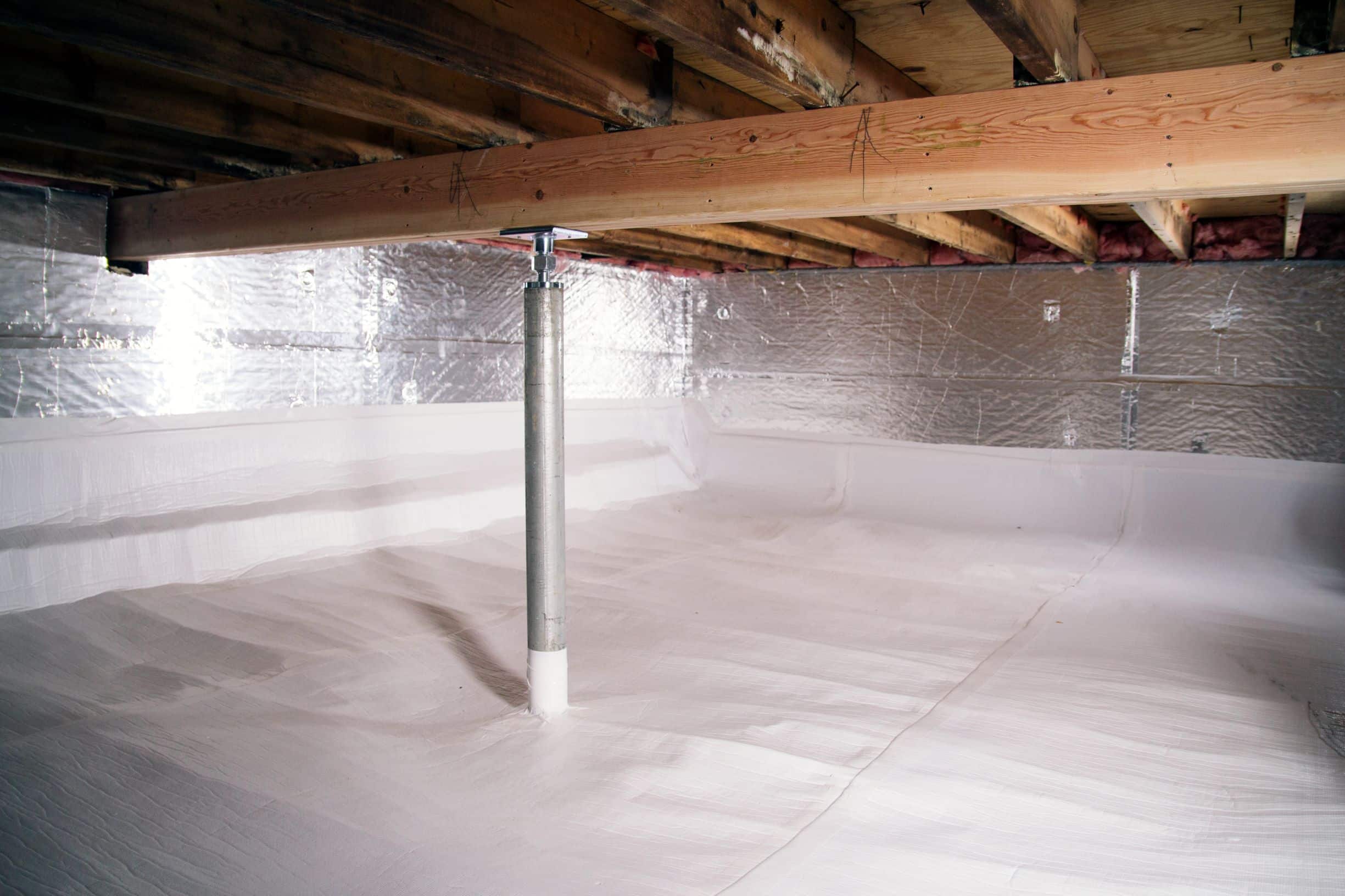
What Is a Crawlspace?
A crawlspace is an area of limited height under the floor of your house, similar to a basement but typically much smaller. It serves the integral purpose of allowing access to plumbing, electrical wiring, and HVAC systems. Over time, this often-overlooked space can become a magnet for moisture, inviting a host of problems.
Left unchecked, moisture in the crawlspace can lead to an array of issues, from wood rot and structural damage to the growth of mold and mildew. The presence of high humidity and condensation forms the perfect environment for fungus and pests, compromising indoor air quality and potentially the health of inhabitants.
To combat these problems, many homeowners turn to crawlspace waterproofing, a vital investment in the longevity and safety of their property. Waterproofing services typically include installing vapor barriers, sump pumps, and dehumidifiers that work together to reduce moisture and protect the home from water damage.
Ventilation also plays a critical role in maintaining a dry crawlspace. Proper airflow helps to keep the area free of condensation, preventing the onslaught of dampness that can lead to erosion of masonry and weakening of the foundation. By addressing these concerns early, you ensure the preservation of your home’s structural integrity and the peace of mind that comes with a sound investment.
The Consequences of Neglect: Why Waterproofing Matters
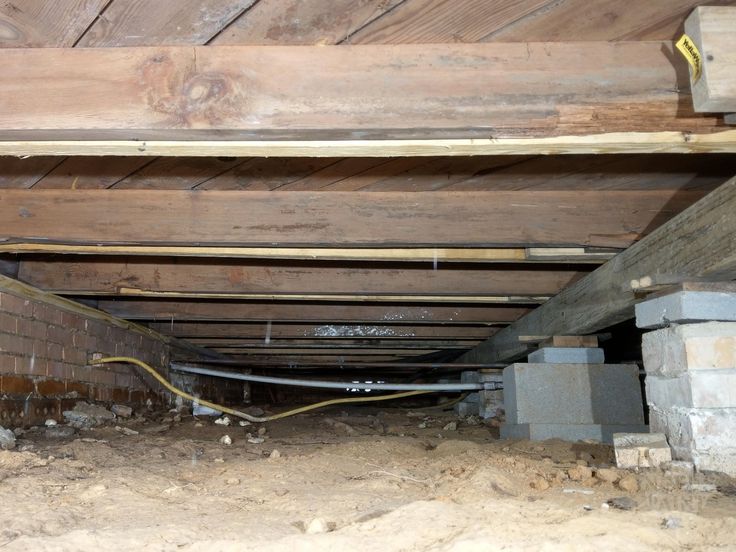
When moisture seeps into a crawlspace, it gradually undermines the very foundation of the home. Without a waterproofing strategy in place, the resulting condensation and humidity can lead to costly foundation repair while also creating an unwelcome haven for pests and humidity-loving organisms. Recognizing the early signs of moisture intrusion and addressing them with proven basement and crawlspace solutions not only safeguards your investment but also maintains the stability and safety of your living space.
Implementing a waterproofing system serves as a preventative measure against the destructive forces of water. By integrating features such as a robust vapor barrier, a professionally installed sump pump, and efficient drainage, homeowners can deflect concerns of flood-induced damage. These systems work in tandem to provide a consistent defense against the threat of water encroachment, giving rise to a drier and healthier environment beneath the house.
A neglected wet crawlspace can breed mold and mildew, compromising the indoor air quality and posing significant health risks. With active waterproofing measures, such as a dehumidifier actively regulating air moisture and reducing humidity, the risk of harmful allergens circulating through the home is minimized. This active approach preserves the wood and concrete that form the underlying skeleton of your property, ensuring a cleaner and fresher indoor atmosphere.
Ultimately, comprehensive crawlspace waterproofing comes with a warranty of confidence, offering peace of mind to homeowners. The expertise and knowledge of waterproofing services guarantee that crucial spaces, unseen yet pivotal, receive the meticulous attention they deserve. From offering a free quote to the final installation of a french drain, these experts are committed to delivering basement waterproofing systems that elevate both your property’s value and your quality of life.
Signs of a Waterproofing Issue in Your CrawlSpace
Detecting early signs of waterproofing issues in your crawlspace can save you from extensive damage. One glaring indicator is the presence of standing water or persistent dampness in the space, particularly after heavy rain.
Unpleasant odors wafting from the floorboards can signal a moisture problem beneath your home. This musty smell typically arises from mold or mildew growth caused by high humidity levels within the crawlspace environment.
Another telltale sign includes changes to interior walls, such as peeling paint or wallpaper, which often result from moisture seeping into the wall structures from the crawlspace. Consistent wetness alters the indoor climate, impacting not only the materials but also the indoor air quality.
Homeowners might also notice increased energy bills due to a compromised crawlspace. Excess moisture hampers the efficiency of heating and cooling systems, demanding more energy to maintain comfortable indoor temperatures and, thus, indicating insufficient waterproofing.
How to Properly Waterproof Your Crawlspace
Proactive steps in crawlspace waterproofing are indispensable for safeguarding your home’s foundation and ensuring a comfortably dry living environment. It begins with a thorough inspection and assessment to identify any existing water intrusions or vulnerabilities.
Sealing concrete floors and entry points against moisture, coupled with enhancing drainage systems such as sump pumps and French drains, are fundamental facets of a sound waterproofing strategy.
Additionally, upgrading ventilation and installing proper insulation are pivotal in precluding condensation and managing humidity levels.
These measures collectively forge a comprehensive defense against moisture-related damages, securing the long-term health and stability of your home.
Inspection and Assessment
Embarking on a journey to ensure a dry crawlspace starts with a meticulous inspection. A professional evaluates the area meticulously, searching for any indicators of moisture, water intrusion, or structural vulnerabilities that could spell trouble down the line.
The assessment phase is where experts analyze the findings and determine the appropriate waterproofing strategy. They factor in the unique characteristics of the space, such as soil conditions, existing drainage, and the state of the foundation, crafting a plan tailored to address specific needs.
Sealing Concrete and Entry Points
A solid defense against moisture starts at the most fundamental level: the ground and walls themselves. By applying sealants to the crawlspace’s concrete floors and masonry walls, we block the creeping infiltration of groundwater that threatens the integrity and dryness of the space.
Ensuring that all entry points are secure is just as critical. This step involves fortifying vents, doors, and any other openings with weatherproofing measures to prevent water and external humidity from wreaking havoc within the enclosed crawlspace.
Improving Drainage
An effective drainage system is the backbone of a moisture-free crawlspace, directing water away from the foundation to mitigate the risk of water damage. Incorporating French drains around the perimeter can channel rain and groundwater, ensuring they flow away from the structure rather than accumulating beneath it. Also key to this strategy is a well-placed sump pump, actively removing any water that does penetrate the barrier, maintaining a dry environment even during heavy deluges.
To enhance the effectiveness of the drainage system, slope grading is an often underutilized yet crucial tactic. Adjusting the gradient of the surrounding land guides water naturally away from the home, preventing it from pooling against the foundation where it can seep into the crawlspace and create issues. Precision in this approach means a drier space and less reliance on mechanical pumps and other waterproofing systems.
Ventilation and Insulation
Strategically improving ventilation within a crawlspace is critical to thwarting the relentless cycle of condensation and humidity that takes hold in stagnant air. This can be achieved by installing vents or employing a ventilation fan that circulates external air, creating a continuous flow that dispels moisture and maintains a balanced environment.
Complementing ventilation efforts, insulation plays a key role in stabilizing temperature fluctuations, which are notorious for contributing to condensation problems. Insulating both the walls and floors of a crawlspace with appropriate, moisture-resistant materials serves to disrupt the transfer of cold air and warmth, minimizing the risk of condensation and bolstering the overall efficiency of the home’s temperature control systems.
Maintenance Tips for a Dry Crawlspace
Ensuring the continuous protection of your crawl space against the persistent threat of moisture and water damage demands regular upkeep.
Just as a vehicle requires scheduled maintenance for optimal performance, so too does the underbelly of your home.
Key to prolonging the life and efficacy of waterproofing systems are routine inspection, vigilance towards vent cleanliness, and the careful monitoring of vapor barrier integrity.
Committing to these maintenance efforts will not only help to avoid the encroachment of dampness, but also maintain a sturdy foundation and a breathable home environment.
Routine Inspection
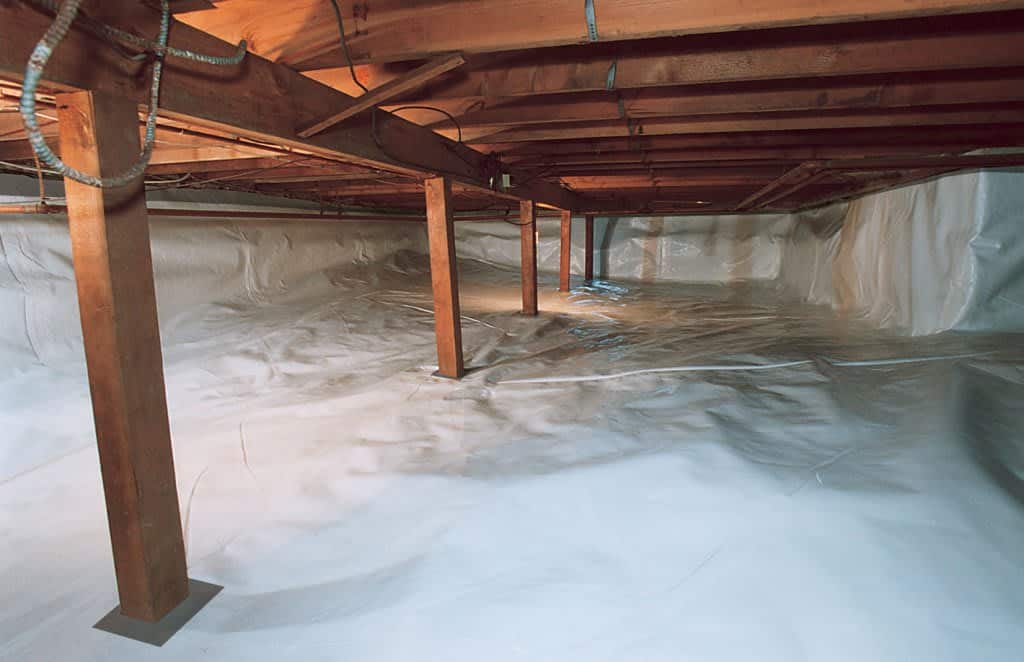
Routine inspections are a cornerstone of maintaining a healthy crawlspace and safeguarding your home from the insidious nature of water damage. A professional’s discerning eye can identify early signs of trouble, such as subtle shifts in humidity levels or compromised sections of a vapor barrier, steering clear of potential exacerbating issues.
Conducting these inspections periodically ensures that all elements of your crawlspace waterproofing system, from sump pumps to drainage solutions, are functioning with precision. The expert review mitigates the risk of unanticipated failures that could lead to moisture problems and jeopardize the foundation’s soundness.
Check and Clean Vents
Vents are the lungs of a crawlspace, facilitating the essential exchange of air that wards off stagnancy and moisture accumulation. Keeping these vents pristine is paramount; cluttered or blocked vents choke off this vital airflow, inviting moisture and related complications.
Homeowners should regularly inspect and clean these spaces, removing debris, nests, and any obstruction that might impair ventilation. Effective vent maintenance preserves the delicate balance of humidity levels and underpins the overall success of crawlspace waterproofing initiatives.
Check the Condition of the Vapor Barrier and Make Repairs as Needed
Examining the vapor barrier in your crawlspace is a critical yet often overlooked task. Over time it can suffer from tears, punctures, or slippage, which diminishes its effectiveness at blocking moisture.
Swift action to repair any damage to the vapor barrier is pivotal for maintaining the dryness of your crawlspace. Professional waterproofing services can ensure seamless repairs or replacement, reinforcing your home’s defense against moisture and protecting its structural integrity.
Conclusion
Crawlspace waterproofing is a crucial defense, safeguarding the structural integrity of your home by preventing moisture that leads to wood rot, mold, and foundation issues.
Implementing a combination of vapor barriers, sump pumps, and dehumidifiers not only ensures a dry environment but also enhances the indoor air quality and overall health of inhabitants.
Regular inspections and maintenance of waterproofing systems are essential practices that protect against the costly repercussions of moisture intrusion.
By investing in expertly designed waterproofing solutions and regular upkeep, homeowners maintain the resilience and value of their property, ensuring a dry and comfortable living space.

Having started in 1990, we boast expert staff members with collective experience in the industry going strong for over 50 years. We promise our clients superior workmanship and quality in basement waterproofing and foundation repair at budget-friendly prices, capped by a fantastic client experience to ensure your ultimate satisfaction.
We are a local and family-owned business committed to providing top-notch basement waterproofing service and workmanship. We are also actively involved in several non-profit projects for the betterment of our community. In 2025 we celebrated 35 years.
