
Are you tired of the constant worry that comes every time heavy rain threatens to turn your basement into an indoor pool? Flooding at the lower levels of a home is a pervasive issue, often caused by a confluence of heavy rain, poor drainage, or substandard waterproofing. This post delves into how sump pump systems, especially those incorporating robust materials like cast iron, are vital in safeguarding your basement against flood water and the costly damage it brings. We’ll examine the different sump pump systems available, their key components—including the vital role of cast iron—and how regular maintenance, such as clearing debris, can prolong their efficiency. By the end of this read, you’ll understand the benefits and peace of mind that come with a properly installed and maintained sump pump system for your home.
Common Causes of Basement Flooding
Basements can become aquatic nightmares when not properly guarded against the elements. Groundwater seepage during heavy rainfall poses a significant risk, often overwhelming sump pump systems without warning. Rising water tables apply hydrostatic pressure against foundations, demanding robust basement waterproofing to safeguard home integrity. Plumbing failures, such as burst pipes, can dispense high volumes of wastewater rapidly, while unnoticed foundation cracks invite moisture intrusion. In addition, exterior drainage systems that fail to direct water away effectively, put basements at risk. Each of these common culprits requires a vigilant defense, including reliable sensors and pumps of adequate horsepower, to ensure safety and dryness below ground.
 Groundwater Seepage During Heavy Rainfall

Groundwater seepage during periods of substantial rainfall challenges even the most robust sump pump systems. A well-maintained system with a reliable backup sump pump can be the barrier that stands between a dry basement and a costly inundation. Ensuring the pump includes an ion switch and a dependable check valve can significantly mitigate the risk of malfunction, which is key when heavy rains cause groundwater levels to rise, threatening to breach subterranean sanctuaries.
For homeowners, understanding the dynamics of water flow and pressure is critical, especially when it concerns their property’s foundation. Incorporating a sump pump that is equipped to handle high volumes of water and fitted with quality pipes to direct the flow away from the home can provide peace of mind. Frequent checks and routine maintenance of the system are essential practices to prevent groundwater from transforming a basement into an unplanned indoor pool.
Rising Water Tables and Hydrostatic Pressure
When water tables rise, the resulting hydrostatic pressure can threaten the foundational barriers of a home, leading to significant water damage. An adequately sized and maintained pump system is essential in these scenarios to avert disaster. In the absence of such a system, or in the event of a power outage, this pressure can infiltrate the smallest of cracks, allowing water to seep into the basement and wreak havoc on the property.
It’s crucial to understand that plumbing failures can exacerbate the situation by adding more water to the already saturated ground around a home’s foundation. Regular inspections of the pump’s functionality and power backup options can be the difference between a dry basement and a costly failure. Homeowners benefit immensely from recognizing these warning signs and investing proactively in a resilient sump pump system to combat the relentless force of rising hydrostatic pressure.
Plumbing Failures and Burst Pipes
Plumbing failures, specifically burst pipes, represent a dire threat to a basement’s dry state and the effectiveness of sump pump systems. Regular maintenance is pivotal in spotting weak points in the plumbing system that may succumb to pressure or wear over time. Proactive waterproofing measures, such as installing a french drain, can provide an additional layer of defense, channeling unwanted moisture away from the home’s foundation and reducing the burden on the sump pump.
Owners often overlook the added protection a grinder pump offers against flood damage from plumbing catastrophes. Positioned to pulverize waste before it reaches the septic system, these pumps are essential in managing unexpected large volumes of water. Integrating both sump and grinder pumps into the home’s maintenance routine ensures a robust response to the influx of water, preserving the basement against moisture’s persistent encroachment.
Foundation Cracks and Structural Issues
Foundation cracks and other structural issues can severely compromise basement waterproofing efforts, making an effective sump pump system with a reliable float switch crucial for flood prevention. Without constant electricity to power these systems, any breach in the structure, no matter how minor it seems, can allow moisture to seep through, escalating the risk of significant water damage. Homeowners benefit from implementing regular foundation inspections, combined with swift repairs, to maintain the integrity of their basement’s defense against groundwater intrusion.
In regions where radon is a concern, the importance of maintaining a dry basement is compounded by the potential health risks associated with this gas. Adequate drainage systems, coupled with a properly functioning sump pump, can limit radon entry through foundation cracks. Monitoring with a switch sensitive to water levels adds an extra layer of security, ensuring the pump activates before any dampness has the chance to settle in. By staying vigilant and investing in these preemptive measures, homeowners not only protect their property but also safeguard their health.
How Sump Pump Systems Prevent Basement Flooding
Sump pump systems are pivotal in the fight against basement flooding, providing a strategic defense during heavy rains and floods. They function by collecting excess water in a sump pit, then pumping it away from the foundation to keep basements dry. With automatic activation by float switches and the support of backup systems during power outages, these systems offer a crucial safety net. Regular testing ensures they remain ready to handle a deluge, serving as an essential elevator of water out of vulnerable underground spaces.
Collecting Excess Water in the Sump Pit
The sump pit is a crucial component of basement waterproofing systems, serving as the initial catch basin for excess water during periods of heavy rain or flooding. As stormwater accumulates, it’s directed into this pit to manage humidity levels that might otherwise contribute to the growth of mildew. Equipped with a powerful pump and check valve to prevent backflow, this system is adept at moving water efficiently out of the basement area.
By collecting and containing sewage and groundwater in the sump pit, the system prevents these fluids from compromising the home’s living space. The presence of a dependable sump pump becomes particularly indispensable during severe storms, when the capacity to swiftly redirect potential floodwater away from the foundation is paramount. This proactive approach to water management is key to maintaining a strong foundation and a dry, healthy basement environment.
Pumping Water Away From the Foundation
Sump pump systems play a critical role in moving water away from the foundation, a necessary process for preventing moisture buildup that can lead to mold growth and foundation damage. By actively pumping out water collected in the sump pit, these systems protect the structural integrity of the house, while also maintaining the health of the indoor environment. Homeowners with effective sump pump systems can have peace of mind, knowing that their property is shielded from water-related issues.
An efficiently operating sump pump is the homeowner’s best strategy for routing excess water from heavy downpours safely away from the basement area. Not only does this mitigate the risk of mold and foundation erosion, but it also preserves the overall livability of the home. Ensuring the pump discharge lines are clear and extend far enough away from the house is crucial for the long-term management of basement dampness and the challenges it poses.
Role of Backup Systems During Power Outages
During power outages, traditional sump pump systems are at risk of failure, leaving basements vulnerable to flooding. Backup systems offer a layer of security; they spring into action when the primary pump is incapacitated due to electrical disruptions. These systems often rely on battery power or water pressure to ensure uninterrupted operation, actively safeguarding the basement’s dryness despite the grid’s instability.
Homeowners recognize the merit of having a backup sump pump as an integral part of their flood prevention plan. Such systems, equipped with their own float switches, monitor water levels independently, taking charge in the absence of power to prevent water from reaching critical levels. Investing in a reliable backup sump pump is a sound strategy for continuous protection against the costly damages that can arise from basement flooding during unexpected power outages.
Importance of Regular System Testing
Regular testing of sump pump systems is instrumental in safeguarding basements against unexpected flooding; without this precaution, even the most sophisticated equipment can fail in times of need. Conducting periodic checks ensures all components, including float switches and backup batteries, are functioning properly, offering homeowners peace of mind that their pump will operate effectively when the waters rise. This routine verification identifies potential issues before they escalate into costly emergencies, positioning regular maintenance as an essential step in basement flood prevention strategies.
Practical hands-on testing of a sump pump, accompanied by the observation of its response, can highlight any operational deficiencies. An expertly maintained sump pump system ensures rapid water removal, thus averting the potential for water damage and mold growth. Homeowners benefit from establishing a consistent schedule for testing their systems, prioritizing this as a crucial element of home upkeep. This not only enhances longevity of the pump but also reinforces a home’s defenses against the unpredictability of weather events and subterranean water flows.
Key Components of an Effective Sump Pump System
Ensuring the continuous operation of sump pump systems is crucial in the prevention of basement flooding. Key components such as the sump basin function to collect water, while check valves prevent backflow, maintaining the system’s efficacy. Adequate discharge pipes and proper drainage routes are essential for directing water away, with alarm features providing early flood warnings. Regular checks are vital for maintaining optimal performance, and each element plays an integral role in safeguarding basements from water damage.
 Understanding the Sump Basin Function
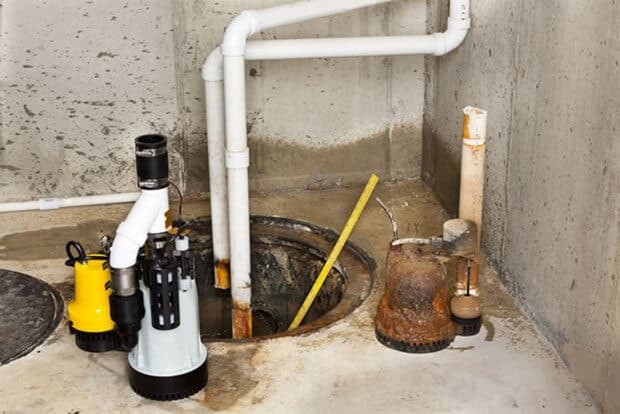
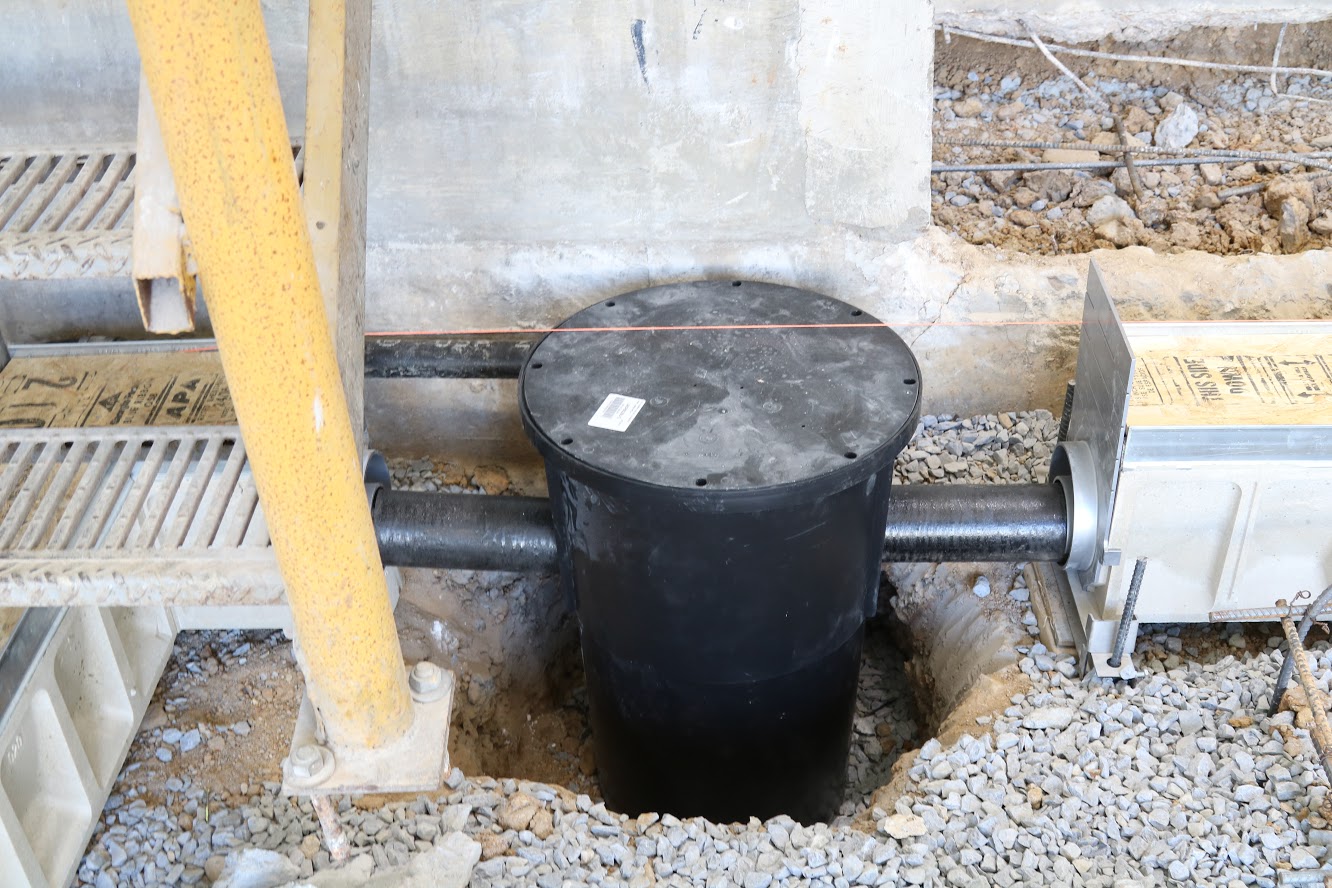
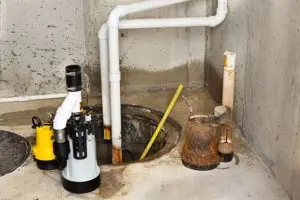
The sump basin, often referred to as the sump pit, is a critical component for a sump pump system, acting as the receptacle for excess water that gathers beneath the basement level. Its primary function is to provide a centralized point where the sump pump can efficiently remove water, thereby preventing accumulation and the potential for flooding. Homeowners benefit from understanding that a properly constructed sump basin should be adequately sized to manage typical water volumes for their geographic region and property layout.
An effectively designed sump basin also plays a strategic role in protecting basements from water damage by facilitating the quick redirection of water into the pit during heavy rains or melting snow. Through its pivotal role in the collection and containment of groundwater, the sump basin ensures that the sump pump has a consistent water level to monitor, enabling timely activation and deactivation of the pump to protect the structural integrity and dryness of a basement space.
Benefits of Installing a Sump Pump System
Installing a sump pump system is a strategic move to protect your home from the damaging effects of water intrusion. It’s a method that directly targets the prevention of mold and mildew growth, preserves the structural integrity of your basement, and can boost property value by adding flood-prevention measures. Moreover, the peace of mind provided during severe weather conditions is invaluable. These highlighted benefits underline the importance of a reliable sump pump system in maintaining a safe, healthy, and secure home environment.
Protecting Your Home From Water Damage
Installing a sump pump system is a crucial strategy for protecting homes from the costly and destructive effects of water damage. These robust systems work tirelessly to divert excess water from basements, keeping the foundation dry and shielding the home’s structural integrity. By mitigating the risks associated with basement flooding, homeowners not only preserve the condition of their property but also avoid the extensive repairs often necessitated by water penetration and its aftermath.
When a sump pump system is in place, it acts as a vigilant guardian against the relentless challenge of moisture. It significantly lowers the likelihood of mold and mildew proliferation, conditions that can lead to health issues and deteriorate indoor air quality. For those residing in flood-prone areas or who have experienced basement water troubles in the past, the installation of a sump pump system offers an immediate and tangible sense of security, reinforcing the home as a safe haven against the elements.
Preventing Mold and Mildew Growth
Installing a sump pump system is a proactive measure that significantly reduces the risk of mold and mildew growth in basements. These persistent issues arise in damp environments and can compromise indoor air quality, potentially leading to health concerns. An effective sump pump keeps the basement environment dry and less hospitable to these unwanted growths, ensuring a healthier home.
By actively managing water levels and humidity, sump pumps play a critical role in preventing the conditions that mold and mildew require to thrive. A dry basement achieved through a well-functioning sump pump system not only protects the structural elements of a home but also supports a safer, mold-free living space, offering homeowners peace of mind during wet weather seasons.
Preserving the Structural Integrity of Your Basement
Installing a sump pump system is crucial for maintaining the structural integrity of your basement. Continuous water infiltration not only leads to costly repairs but can weaken the foundation, making it susceptible to cracks and settling. With a sump pump in place, homeowners can effectively divert water away, keeping the basement structure sound and secure long-term.
A sump pump system actively combats the hydrostatic pressure exerted by water around the basement walls, which is a common cause of structural deterioration. The system’s ability to manage water levels protects the foundation from the relentless effects of moisture, ensuring the integrity of your home’s base remains uncompromised, no matter the weather conditions.
Sump pump systems are the cornerstone of effective basement flood prevention, offering a robust defense against water damage and structural compromise. By actively managing water levels and damp conditions, they prevent mold growth and safeguard the home’s integrity, providing immense peace of mind during adverse weather conditions. Regular maintenance and understanding the system’s components are vital for ensuring its reliability and longevity. In conclusion, the value of a well-functioning sump pump system in preserving a home’s foundation and indoor environment cannot be overstated.

Having started in 1990, we boast expert staff members with collective experience in the industry going strong for over 50 years. We promise our clients superior workmanship and quality in basement waterproofing and foundation repair at budget-friendly prices, capped by a fantastic client experience to ensure your ultimate satisfaction.
We are a local and family-owned business committed to providing top-notch basement waterproofing service and workmanship. We are also actively involved in several non-profit projects for the betterment of our community. In 2025 we celebrated 35 years.