

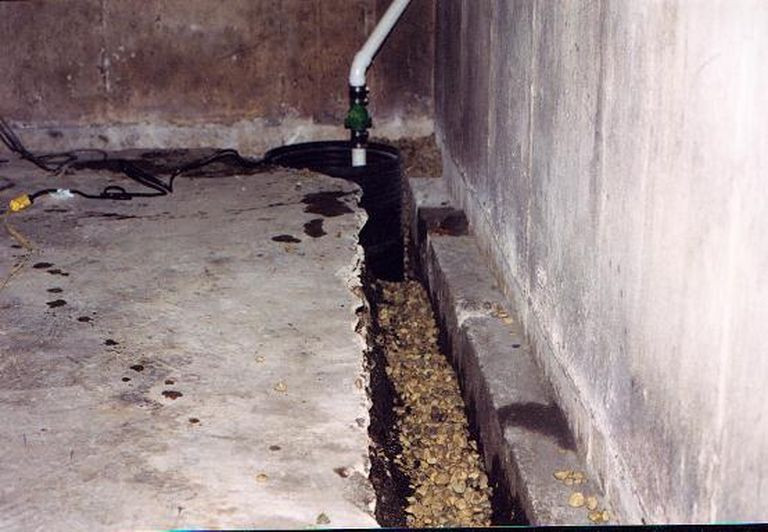
A French drain might just be the unsung hero in the fight against water damage and soggy lawns.
This elegantly simple solution, a trench filled with gravel containing a pipe that directs water away from your property, can shield your landscape from erosion and your basement from becoming an unintended indoor pool. Whether you’re an intrepid DIYer or someone considering hiring residential drainage contractors near you, understanding the nuances of this system is vital for your property’s health.
In this guide, we’ll navigate the labyrinth of terms like “french ditch,” “perimeter drain,” and “dry well,” transforming confusion into clarity. Keep reading to unearth the secrets of French drain installation, from the planning stages to the essential maintenance post setup.
What Is a French Drain?
A French drain may sound like a continental import, yet this simple, yet ingenious drainage solution has saved many a homeowner from the woes of water damage. At its core, the French drain serves a pivotal role in guiding unwanted water away from property foundations, and safeguarding the structural integrity of homes.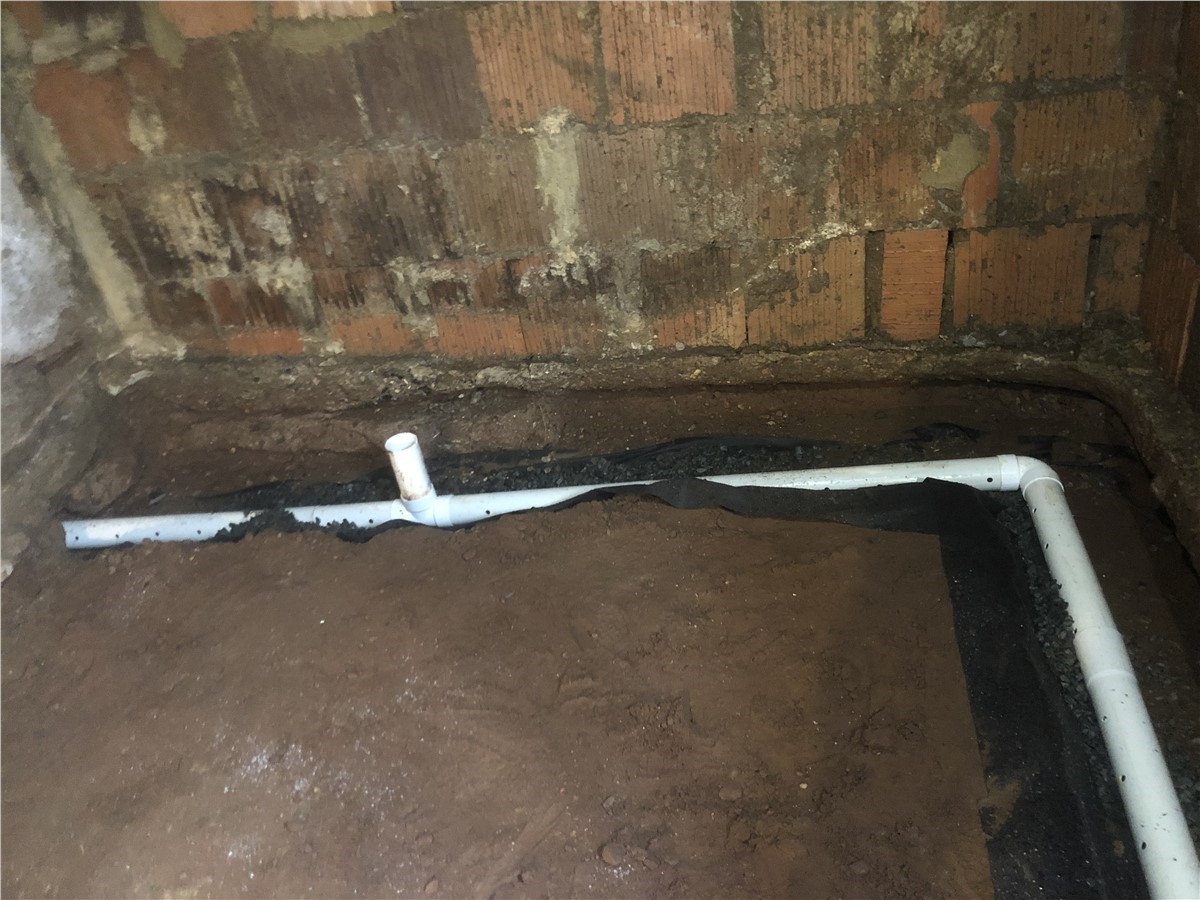
Consisting of a trench filled with gravel or rock containing a perforated pipe, this system operates on the principle of gravity, channeling water through the path of least resistance. With the right components – including landscape fabric to prevent sediment from clogging the system, and precise layers of sand and topsoil to encourage filtration and pressure balance – a French drain efficiently redirects both surface water and groundwater away from where it could cause harm.
Installing such a system is more than just digging a ditch; it’s an investment in the longevity and safety of one’s home.
Definition and Purpose
A French drain is essentially a subterranean channel designed to direct excess moisture away from specific areas. Through the strategic placement of a perforated pipe in a gravel-filled trench, this system harnesses gravity to relocate moisture, ensuring that properties remain dry and free from water-related complications.
The quintessential purpose of a French drain is to provide a reliable solution for mitigating moisture accumulation, ensuring that soil erosion and foundation damage are kept at bay. By creating an underground route for water, it protects landscapes, basements, and the overall structural health of residential and commercial properties alike.
Components of a French Drain System
The anatomy of a French drain system is straightforward yet meticulously constructed for optimal performance. At its heart lies a perforated pipe, often made of durable PVC, which functions as the conduit for carrying excess water away from vulnerable areas.
Surrounding this pipe is a bed of gravel or rock—selected for their drainage qualities—which not only aids in the filtration of water entering the system but also serves to distribute the weight and prevent soil from compressing the pipe, maximizing the longevity of the entire system.
Planning Your French Drain Installation
Embarking on the installation of a French drain necessitates a series of critical assessments and decisions.
You must first analyze your yard’s susceptibility to moisture and water accumulation to pinpoint the pressing needs.
Following this, the quest for the perfect site for your French trench begins—location is pivotal in achieving effective water drainage.
Lastly, the intricacies of determining the ideal depth and slope of your drainage path are instrumental in ensuring a gravity-fed journey for water away from your foundation—each step is integral to the construction of a robust drainage system.
Assessing Your Landscape’s Needs
Embarking on a French drain project begins with a thorough evaluation of your terrain’s particular characteristics. A comprehensive inspection will reveal the spots where water tends to accumulate, alerting you to the prime areas in need of improved water drainage.
Bringing in a yard drainage specialist near you can be instrumental in this diagnostic stage. Their expertise allows them to identify subtle nuances in your landscape, from natural slopes to potential obstructions, helping tailor your French drain installation as an effective solution tailored to your property’s unique specifications.
Selecting the Ideal Location
Choosing the right location for a French drain is a decision that impacts the success of your drainage strategy. Ideally, your chosen spot should be the lowest point in your yard where water tends to collect, ensuring that the system captures the maximum amount of moisture. It’s also critical to maintain a safe distance from your home’s foundation to avoid any potential structural concerns.
Further refinement in siting your French drain includes consideration of the path it will take across your property. Carefully plotting a trench drain course that avoids underground utilities, tree roots, and other obstructions will not only make the installation smoother but also enhance the efficiency of your new water drainage solution.
Determining Depth and Slope
The French drain’s efficacy is deeply rooted in the precision of its depth and slope. Without the correct angle, water won’t flow correctly, rendering the system ineffective. Contractors keen on crafting a successful design will evaluate the soil type and the yard’s natural gradient to shape a trench that guides water effortlessly towards its intended destination.
Deciding on the proper depth involves striking a balance between being deep enough to intercept subsurface moisture and shallow enough to avoid disturbing underlying utilities or root systems. Expertise from residential drainage contractors near you can be vital here, ensuring the trench is situated where it can perform optimally, without causing ancillary issues.
The Step-by-Step French Drain Installation Process
The journey to a well-executed French drain culminates in a series of carefully executed steps, each as important as the next in achieving a system that functions seamlessly.
From carving out the trench with precision to ensure the path of least resistance is established for water flow, to the strategic placement of filter fabric, and the meticulous placement of the drain pipe to guarantee an optimal conduit for moisture, every stage is pivotal. Completing the process with a cover of gravel ensures the system’s longevity and efficiency.
Let’s delve into each of these foundational steps, guaranteeing a robust defense against the ever-lurking threat of water damage.
Digging the Trench
Embarking on the physical aspect of French drain installation, the process of digging the trench is your inaugural step toward a successful drainage system. Equipped with a clear plan, you’ll start by marking the determined path, ensuring the trench will be strategically positioned to capture and redirect moisture effectively, taking special care to maintain a consistent slope for optimal water flow.
Residential drainage contractors are adept at navigating this stage, carefully excavating the earth with precision and attention to the surroundings. They work diligently to avoid disturbing any underground utilities or causing undue damage to the surrounding landscape, setting the stage for the critical components that will soon be laid within this foundational base.
Laying the Filter Fabric
As the trench awaits its functional elements, the installation of the filter fabric is the next crucial step. This textile barrier serves a dual purpose: it deters sediments from infiltrating and potentially clogging the drain, while still allowing water to seep through effortlessly into the drain below.
Expert exterior drainage contractors meticulously unfurl the fabric along the length of the freshly dug trench, ensuring every inch is covered. This creates a dependable layer that prolongs the system’s life by safeguarding against the natural pressures exerted by soil and roots.
Installing the Drain Pipe
Once the trench is prepped and lined with filter fabric, the next pivotal phase involves placing the perforated pipe, the main artery of the system. Careful placement is key to ensuring the pipe is central within the trench and maintains a slight, consistent decline along its path to facilitate unimpeded water flow.
Experienced installers from drainage service companies understand the critical importance of securing the pipe at the correct depth to tap into the hydrostatic pressure within the soil. It is this detail-oriented work that ensures a reliable channel is created, guiding water away from problem areas toward a safe discharge point, such as a dry well or storm drain.
Pouring the Gravel Cover
The final touch in constructing a French drain is the addition of a gravel cover, which acts as a protective and functional layer over the drain pipe. This layer not only aids in the filtration process but also ensures that the pipe remains free of debris that could impede water flow. The chosen gravel should be robust enough to withstand the pressure of the overlying soil while being sufficiently sizeable to allow water to pass through unhindered.
Drainage experts carefully distribute the gravel across the filter fabric, enveloping the perforated pipe in a protective embrace. This crucial step is more than just pouring rocks; it’s the application of a well-considered blend of gravel or crushed stone that secures the piping and facilitates water drainage from the surrounding soil into the French drain system, completing the assembly with efficiency and precision.
When to Use French Drain Systems
The versatility of French drain systems makes them a perfect ally for tackling various moisture-related challenges across your property.
Whether it’s basement flooding that threatens to damage your home’s interior, the persistent waterlogging that can suffocate the vitality of your garden, or the detrimental effects of accumulating moisture behind retaining walls – a strategically placed French drain can be a game-charter.
This drainage solution not only manages water efficiently but also serves as a proactive measure to prevent future damage, ensuring that your property remains safe and aesthetically pleasing.
Addressing Basement Flooding
French drains emerge as stalwart defenders in the battle against basement flooding, efficiently diverting excess water that can seep through walls during heavy rainfalls or spring thaws. Their subterranean placement intercepts water before it breaches the foundation, directing it toward a safer discharge area, which could be as simple as a downhill slope away from the property or a more complex dry well or stormwater management system.
Installation of a French drain on the exterior perimeter of a basement acts like a shield, mitigating the risk of hydrostatic pressure that can cause structural damage or lead to mold and damp conditions inside. These systems are particularly essential in areas prone to heavy rainfall or on properties where the basement sits at or below the water table, providing peace of mind to homeowners concerned about potential moisture intrusion.
Preventing Garden Waterlogging
Gardens brimming with vibrant plants and thriving topsoil can quickly succumb to the perils of excessive rainfall, leading to waterlogging that stifles root systems and kills vegetation. French drains offer a lifeline, a hidden channel that whisks away the excess moisture without altering the natural beauty or accessibility of your outdoor haven.
A French drain in your garden acts as an underground sentinel, guarding against the destructive forces of standing water that also invite unwanted pests and diseases. Through its unseen workings, it efficiently preserves the delicate balance required for your plants’ health, ensuring the garden’s vitality and your property’s appeal remain intact.
Protecting Retaining Walls
For homeowners grappling with sloped landscapes, retaining walls are an essential fixture, playing a pivotal role in managing soil erosion. Yet, without adequate drainage, the pressure of accumulated moisture can weaken these structures, leading to costly repairs or even collapse. A French drain system installed behind a retaining wall relieves this pressure, channeling water away and maintaining the wall’s integrity.
An expertly installed French drain protects a retaining wall by intercepting the water that saturates the soil, which can lead to soil shifting. By providing a hidden yet effective pathway for excess water to escape, the longevity of a retaining wall is not only preserved but also its aesthetic and functional contributions to the property’s landscape are assured.
Cost Factors to Consider in French Drain Installation
Transitioning from the technical intricacies of installation to the financial implications, understanding the cost factors associated with French drain installation becomes essential.
When delving into expense considerations, one must evaluate both the material costs, influenced by the quality and quantity of pipe, gravel, and textile required, and the labor expenses, which hinge on the intricacy of the work and local contracting rates.
Together, these financial components form the crux of budgeting for a French drain system that not only meets your drainage needs but aligns with your home improvement investment parameters.
Calculating Material Costs

Approaching a French drain project involves scrutinizing the bill of materials, which encompasses the length and type of pipe, the volume of gravel, and the rolls of textile fabric needed. Prices for these essential components can vary depending on the quality desired and regional market fluctuations, making it critical for property owners to source estimates from local suppliers to budget effectively.
In assessing the material costs for a French drain, homeowners should also consider the size and depth of their planned trench as it directly influences the quantity of materials required. A larger scale installation will naturally demand more of each material, thereby elevating the overall price; hence, precise measurements and calculations are indispensable for an accurate financial assessment.
Estimating Labor Expenses
Factoring in labor expenses is a pivotal aspect when planning for a French drain installation. Determining these costs requires consideration of the scope of work, which includes excavation, pipe laying, and covering with gravel; these tasks are all contingent on the expertise of the hired drainage experts who are well-versed in the nuances of constructing an efficient system.
Property owners should anticipate varying labor costs based on regional labor rates and the level of difficulty encountered during the installation process. Challenging conditions, such as hard soil or the presence of extensive root systems, can necessitate more labor-intensive efforts, leading to higher expenses to ensure a successful and reliable drainage outcome.

Having started in 1990, we boast expert staff members with collective experience in the industry going strong for over 50 years. We promise our clients superior workmanship and quality in basement waterproofing and foundation repair at budget-friendly prices, capped by a fantastic client experience to ensure your ultimate satisfaction.
We are a local and family-owned business committed to providing top-notch basement waterproofing service and workmanship. We are also actively involved in several non-profit projects for the betterment of our community. In 2025 we celebrated 35 years.
