


Basement water seepage can cause structural damage and degrade indoor air quality. This guide explains the common causes of seepage, the principal mitigation methods, and why homeowners should address the problem promptly. It outlines prevention and repair strategies so owners can make informed decisions. The article covers foundation repair, sump pumps, and crawlspace encapsulation as key components of moisture control for basements. Reviewing these topics helps homeowners protect their property from water-related harm.
Key Takeaways
- Basement water seepage results from hydrostatic pressure and poor soil drainage around foundation walls.
- Effective basement waterproofing combines interior sealing, exterior drainage, and sump pump installation.
- Sump pumps remove groundwater to prevent basement flooding, costing between $800 and $2,500 for installation.
- Prompt foundation crack repair prevents moisture intrusion and structural damage in basements.
- Foundation repairs enhance waterproofing by maintaining structural integrity and reducing water entry points.
- Crawlspace encapsulation uses vapor barriers to reduce moisture, pests, and improve indoor air quality.
- Proper ventilation systems lower basement humidity, preventing mold growth and damp conditions.
- Homeowners should consider warranty options and obtain detailed cost estimates before waterproofing.
- Professional inspections help identify seepage causes and tailor effective waterproofing solutions.
What Are the Common Causes of Basement Water Seepage?
 Basement seepage most often results from environmental forces acting on the foundation and from structural vulnerabilities. Hydrostatic pressure builds in saturated soil after heavy rain or snowmelt and forces water through foundation cracks or porous masonry. Soil types that retain water, such as clay, increase this pressure and the likelihood of seepage. Identifying the specific causes at a property is necessary to design effective prevention and repair measures.
Basement Wall Waterproofing: Challenges and Sources of Moisture
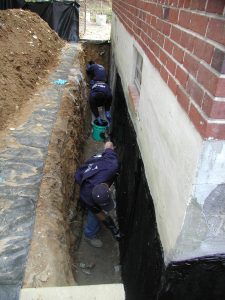
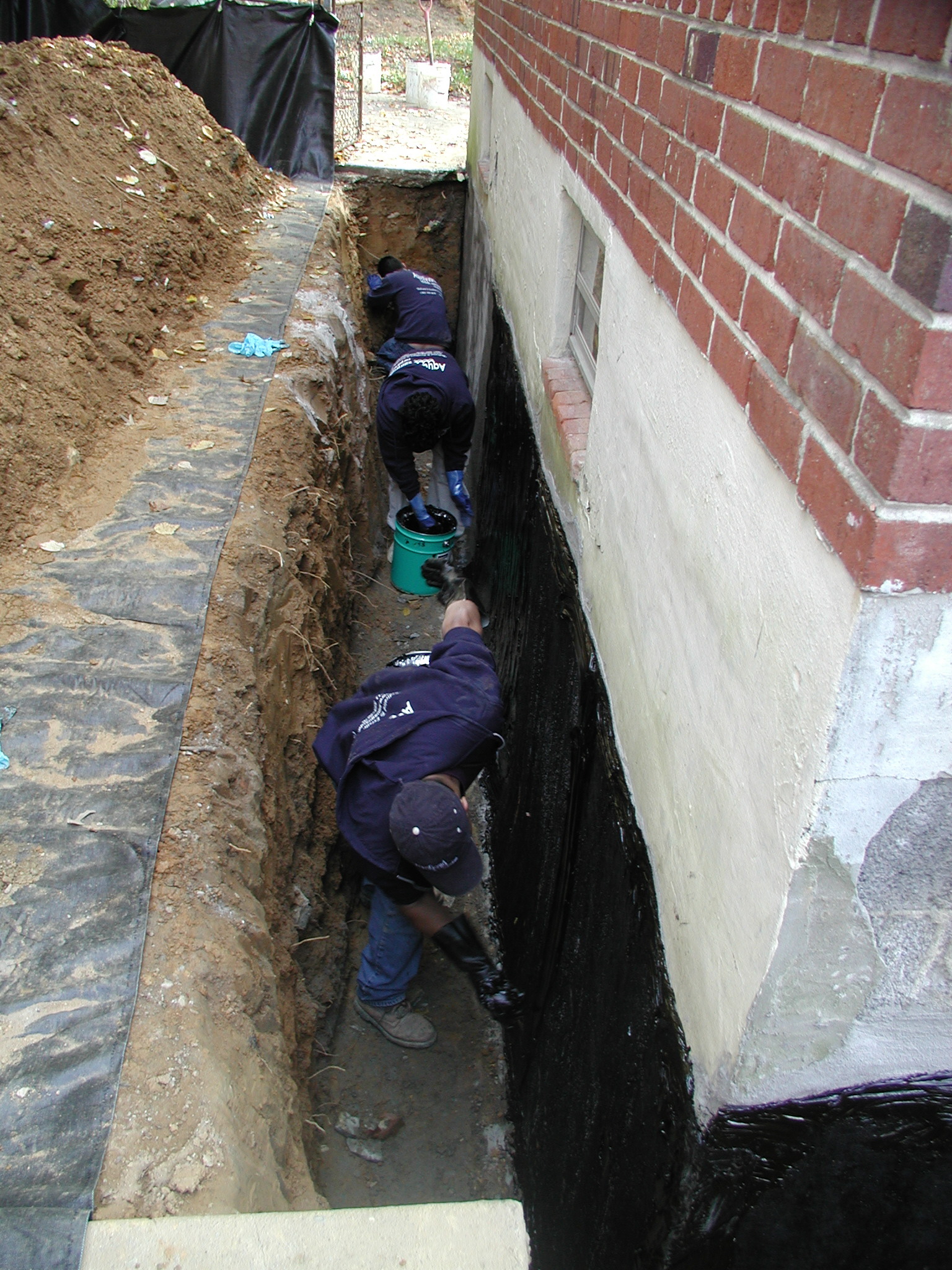
Effective waterproofing of basement walls is a primary challenge for residential waterproofing contractors in Michigan. Foundation walls separate the interior living space from the surrounding soil and are exposed to several moisture sources. In Michigan, glacially deposited clay with low permeability and pronounced swell-shrink behavior leaves walls vulnerable to groundwater hydrostatic pressure, surface water infiltration after precipitation, vapour transmission through porous concrete or block, and condensation on cooler wall surfaces during humid summer conditions.Approaches to Basement Wall Waterproofing Written by
What Role Do Poor Drainage and Soil Conditions Play?
Poor drainage increases the risk of basement seepage by allowing water to collect near the foundation and raise hydrostatic pressure. Faulty gutters or downspouts that discharge at the foundation line contribute to pooling. Soil with low permeability, particularly clay, holds moisture and keeps the ground saturated for longer periods. Incorrect grading that channels water toward the house also raises the chance of intrusion. Addressing these factors reduces seepage risk.
Which Basement Waterproofing Methods Effectively Prevent Water Seepage?
Several established waterproofing methods address different causes of seepage and are often combined for full protection. Interior solutions focus on sealing and moisture management, while exterior systems control water before it reaches the foundation. Common measures include sump pumps, French drains, and vapour or moisture barriers. Advances in materials and installation techniques have improved the reliability of these approaches.
AquaGuard Waterproofing provides services to implement these methods based on individual home conditions. Their experience helps ensure homeowners receive practical, long-term solutions to reduce seepage. Basement waterproofing is a common and effective step for many properties.
What Is the Function and Cost of Sump Pump Installation?
Sump pumps collect groundwater in a sump pit and discharge it away from the foundation, reducing the risk of basement flooding during periods of heavy rain or rapid snowmelt. Properly installed systems help keep basements dry and protect interior finishes. Typical installation costs range from $800 to $2,500, depending on system type and installation complexity.
When and How Should Foundation Crack Repair Be Implemented?
Repairing foundation cracks promptly prevents moisture entry and limits structural deterioration. Regular inspection after severe weather is important to detect new or worsening cracks. Repair options vary with crack severity and can include epoxy injections for non-structural cracks or underpinning techniques for more significant movement. Timely repair reduces the chance of more extensive damage and higher future costs.
How Does Foundation Repair Complement Waterproofing Efforts?
Foundation repair supports waterproofing by addressing the structural causes of water entry. When cracks or settlement compromise the foundation, waterproofing measures alone may be insufficient. Repairing the underlying structural issues reduces entry points and increases the effectiveness of moisture-control systems, creating a more reliable, long-term defence against water intrusion.
What Are the Benefits of Crawlspace Encapsulation for Moisture Control?
Crawlspace encapsulation involves installing durable vapour barriers and sealing openings to limit moisture entry. This measure reduces humidity transfer into the living areas, deters pests, and can improve indoor air quality by lowering allergen levels. Encapsulation is a preventative step that supports overall moisture management for the home.
Why Is Crawlspace Encapsulation Necessary for Basement Health?
A dry, sealed crawlspace reduces indoor humidity that can drive mold growth and worsen air quality. Encapsulation creates a controlled environment that limits moisture and prevents conditions that promote biological growth. Protecting the crawlspace helps maintain a healthier interior environment and reduces risks to structural components.
How Do Moisture Control and Ventilation Systems Enhance Basement Waterproofing?
Moisture control and ventilation systems reduce humidity and improve airflow, which lowers the likelihood of condensation and related issues. Proper ventilation helps regulate temperature and assists in drying wet areas more quickly. When combined with waterproofing measures, these systems reduce the risk of water damage and limit conditions favourable to mold growth.
 How Does Proper Ventilation Prevent Mold and Dampness?
Proper ventilation introduces fresh air and encourages moisture evaporation in typically stagnant basement spaces. Effective strategies include exhaust fans, dehumidifiers, and well-placed vents to maintain consistent airflow. Regular maintenance of ventilation equipment is necessary to ensure continued performance and to keep basements dry and healthy.
What Warranty Options, Cost Estimates, and Consultations Are Available?
Reviewing available warranty options is a key part of evaluating waterproofing services, as warranty length and coverage can vary by service type. Homeowners should request detailed cost estimates that reflect the chosen methods and site conditions. Consulting with qualified professionals allows for tailored recommendations and clearer budgeting for required work.
How Can You Obtain a Free Inspection and Detailed Estimate?
To arrange a free inspection and an accurate estimate, contact AquaGuard Waterproofing via their free inspection request. You may call (301) 595-9670 or visit their office at 6820 Distribution Drive, Beltsville, Maryland 20705. The initial consultation identifies specific issues and outlines appropriate solutions for your home.
Frequently Asked Questions
What preventive measures can homeowners take to avoid basement water seepage?
Homeowners can reduce seepage risk by keeping gutters and downspouts clear and ensuring they direct water well away from the foundation. Maintain proper soil grading so the ground slopes away from the house and consider installing drainage systems such as French drains to divert surface water. Regular maintenance of these elements preserves their effectiveness over time.
How often should I inspect my basement for moisture issues?
Inspect the basement at least twice a year, typically in spring and fall, and after major weather events. Check for damp spots, visible mold, peeling paint, or new cracks in foundation walls. Regular inspections enable early detection and prompt remediation to avoid more costly repairs.
What signs indicate that my basement needs waterproofing?
Signs that waterproofing may be needed include water stains on walls or floors, visible mold or mildew, a persistent musty odour, peeling paint, or bowing walls. Hearing water flow during heavy rain is also a warning. If these indicators appear, arrange an assessment to determine appropriate corrective measures.
Can landscaping affect my basement waterproofing efforts?
Landscaping affects how water moves around the foundation. Well-drained soil and plantings that do not retain excess moisture help prevent groundwater accumulation near the house. Avoid placing dense vegetation or heavy objects close to the foundation, and consider features such as swales or dry wells to direct water away from the structure.
What are the long-term benefits of investing in professional basement waterproofing?
Professional waterproofing preserves property value by preventing water damage that can lead to mold, rot, and structural issues. It reduces the likelihood of costly repairs and helps maintain indoor air quality by limiting allergens and damp conditions. Overall, it protects the home and provides long-term peace of mind.
How do I choose the right waterproofing contractor?
Select a contractor by seeking recommendations, verifying licenses and insurance, and reviewing customer feedback. Request detailed, written quotes from multiple providers to compare scope and cost, and confirm warranty terms to ensure coverage for future issues. These steps help secure a reliable and qualified contractor.
Conclusion
Effective basement waterproofing protects a home from moisture-related structural damage and health risks. By identifying causes and applying solutions such as sump pumps, drainage systems, and foundation repair, homeowners improve durability and preserve property value. Professional waterproofing addresses immediate concerns and supports long-term indoor air quality. Contact our experts to evaluate your basement waterproofing needs and determine the best course of action.

Having started in 1990, we boast expert staff members with collective experience in the industry going strong for over 50 years. We promise our clients superior workmanship and quality in basement waterproofing and foundation repair at budget-friendly prices, capped by a fantastic client experience to ensure your ultimate satisfaction.
We are a local and family-owned business committed to providing top-notch basement waterproofing service and workmanship. We are also actively involved in several non-profit projects for the betterment of our community. In 2025 we celebrated 35 years.
