

Is your home vulnerable to water damage despite having advanced automation systems? Many homeowners overlook the importance of waterproofing when integrating smart home solutions. This article will detail effective waterproofing methods aligned with automation technology, showcase real-life case studies, and explore future trends in this innovative field. By understanding these connections, you can enhance your home’s safety and efficiency while ensuring compliance with building codes. Say goodbye to water-related issues and enjoy peace of mind, knowing your foundation is secure and protected against heat and moisture.
Understanding Smart Home Solutions With Waterproofing Integration
Home automation technologies are revolutionizing modern living by integrating waterproofing solutions designed for durability and efficiency. Understanding the benefits of waterproofing in smart homes reveals how these features improve design and communication between systems. Key features of integrated systems highlight the importance of warranty options, ensuring reliability and consumer confidence. This section will delve into each topic for a comprehensive overview.
Exploring Home Automation Technologies

Home automation technologies harness the power of the internet of things (IoT) to connect various devices, enhancing functionality and user experience. These systems can streamline tasks, optimize energy usage, and even monitor the structural integrity of a building. For instance, by integrating waterproof systems within the building envelope, homeowners can ensure that materials like concrete and cement withstand environmental stresses, leading to increased longevity and minimal maintenance.
As smart home solutions evolve, they become critical in reducing an ecological footprint. Automation allows for precise management of energy consumption and resource use, making it easier to minimize waste. By prioritizing waterproofing measures, users benefit from improved durability and efficiency while enjoying higher performance from their devices, ultimately creating a more resilient living environment.
Benefits of Waterproofing in Smart Homes
Waterproofing plays a crucial role in smart homes by enhancing the overall durability and functionality of automated systems. Engineers recommend integrating environmentally friendly waterproofing materials that not only protect structural integrity but also contribute to sustainability efforts. By ensuring that homes are well-protected from moisture, homeowners can reduce the risk of costly repairs, which may enhance their insurance options and lower premiums.
The integration of waterproofing with smart technologies also supports better data collection and analysis through platforms like Google Analytics. Homeowners can monitor the performance of their systems via the internet, assessing how waterproofing measures impact energy efficiency and cost savings over time. This proactive approach not only meets immediate needs but also aligns with long-term environmental goals, fostering a smarter, safer living experience.
Key Features of Integrated Systems
The integration of smart home systems with waterproofing solutions offers advanced analytics that provide valuable insights into building performance. Homeowners can monitor moisture levels and conduct regular inspections to ensure that waterproofing materials remain effective over time. By utilizing data gathered from these systems, they can make informed decisions regarding maintenance and address potential issues proactively, thus enhancing the longevity of materials such as wood and concrete.
Sustainable design becomes a cornerstone of these integrated systems, as effective waterproofing is essential for maintaining energy efficiency and minimizing resource waste. Liquid waterproofing products, for instance, create seamless barriers that protect structures from water damage, contributing to improved overall health of the building. These innovative solutions not only safeguard investments but also align with eco-friendly practices, helping homeowners achieve their sustainability goals.
Selecting the Right Waterproofing Methods for Automation Integration
Understanding the various types of waterproofing techniques is essential for effective automation integration in smart homes. Key factors such as groundwater exposure, health implications, and the structural integrity of materials are critical in selecting appropriate methods. This section will cover practical insights on compatible waterproofing solutions and renovation considerations, guiding homeowners towards informed decisions that enhance system performance and durability.
Types of Waterproofing Techniques
Various waterproofing techniques are pivotal for ensuring properties maintain structural integrity against moisture. One common method involves the application of sealants and membranes that create barriers resistant to external water ingress. This is particularly important in areas prone to mildew growth due to high humidity levels or climate variations, as these barriers help prevent harmful mold development and protect the overall health of the living space.
An alternative approach includes the use of exterior drainage systems, which direct water away from the foundation and into tunnel systems or drainage ditches. These systems significantly reduce the likelihood of water pooling around a property, thereby minimizing maintenance needs and enhancing lasting durability. Selecting suitable methods tailored to specific environmental conditions ensures that homeowners can enjoy peace of mind knowing their smart home automation systems are supported by effective waterproofing solutions.
Factors to Consider for Smart Home Compatibility
When selecting waterproofing methods for smart home integration, one vital consideration is the technology used. Homeowners should evaluate how well waterproofing techniques can work with existing smart devices to promote efficiency and safety. For example, using coatings that enhance water resistance while minimizing impact on indoor air quality is crucial, especially in environments where maintaining a low carbon footprint is a priority.
Another factor to assess is the durability of waterproofing solutions against extreme weather conditions. High-performance coatings can provide additional protection that not only withstands heavy rainfall or flooding but also contributes to the longevity of automated systems. Ensuring these systems are protected not only enhances safety but also reduces the potential for costly repairs, providing peace of mind to homeowners who are investing in smart technologies.
Enhancing Home Safety and Efficiency Through Automation
Smart sensors play a critical role in monitoring foundation waterproofing effectiveness, providing real-time data on moisture levels to prevent water damage and infiltration. Alarm systems enhance home safety by offering immediate responses to potential threats, while remote monitoring solutions empower homeowners to oversee their property from anywhere. Integrating polyurethane waterproofing with these technologies addresses challenges posed by climate change, ensuring a resilient and efficient home environment.
Smart Sensors for Monitoring Waterproofing Effectiveness
Smart sensors integrated into waterproofing systems can significantly enhance home safety by monitoring moisture levels and detecting potential water intrusion. These devices utilize advanced technology to assess the effectiveness of sealants and materials like bitumen in creating barriers against moisture, ensuring that the integrity of the structure remains intact. By identifying early signs of leakage or corrosion, homeowners can make timely repairs, effectively extending the longevity of both the building and its automated systems while staying within budget constraints.
In addition to moisture detection, these sensors provide valuable data that helps homeowners understand how environmental factors affect their waterproofing solutions over time. For example, by continuously monitoring conditions around areas where sealants have been applied, these devices contribute to proactive maintenance strategies. This approach not only minimizes disruption due to flooding or water damage but also offers peace of mind knowing that the home’s safety and efficiency are continually being enhanced through smart technology.
Alarm Systems and Their Role in Emergency Response
Alarm systems play a vital role in enhancing resilience by providing immediate responses to emergencies, particularly in areas vulnerable to rain and water damage. These systems can be strategically installed at key points, such as balconies or roofs, where water intrusion is most likely to occur. When an alarm is triggered due to water detection, homeowners receive real-time alerts, allowing them to take action before significant damage occurs, thus safeguarding their property and investments.
In construction, integrating alarm systems with waterproofing solutions enhances overall safety and efficiency. For instance, advanced alarm technologies can monitor water levels and alert homeowners of potential flooding risks, ensuring proactive measures are taken. This combination of smart technology not only assists in maintaining a secure living environment but also extends the lifespan of both the building and its automation systems through timely interventions.
Remote Monitoring Solutions for Homeowners
Remote monitoring solutions empower homeowners to keep tabs on their property’s health, especially regarding moisture levels and potential water intrusion. By integrating smart sensors with drainage systems and sump pumps, these technologies provide real-time data that allows homeowners to assess their indoor air quality and detect water issues before they escalate. This proactive approach not only enhances safety but also minimizes the risk of costly repairs associated with water damage.
Furthermore, these monitoring systems enable homeowners to adjust settings remotely, optimizing the performance of sump pumps when heavy rainfall is detected. By harnessing data collected from these devices, users can make informed decisions to improve their home’s resilience against water damage. This seamless integration of monitoring solutions contributes to a safer living environment while addressing common concerns surrounding water management and indoor comforts.
Case Studies of Successful Waterproofing and Automation Projects
This section presents residential examples highlighting effective integration of waterproofing and automation systems, illustrating advancements in energy conservation and the use of nanotechnology. Lessons learned from projects in the Central Coast area emphasize practical solutions for addressing leaks while enhancing home durability. These insights provide valuable knowledge for homeowners aiming to improve their smart home setups.
Residential Examples of Effective Integration
One compelling example of effective integration of waterproofing and automation can be seen in a newly developed residential project featuring a high-tech basement designed to withstand external pressure. This home utilized advanced vapor barrier systems to protect against moisture infiltration while incorporating smart sensors to monitor humidity levels in real time. By addressing wear and tear proactively, homeowners benefit from a stable environment that safeguards valuable belongings and ensures structural integrity.
Another successful instance involved a smart home that integrated waterproofing techniques within its foundational infrastructure. The installation of an innovative drainage system worked in tandem with automated alerts for water detection, ensuring that potential leaks were addressed immediately. This holistic approach not only enhanced the home’s resilience against water damage but also provided occupants with peace of mind, knowing they could monitor and manage their living space efficiently.
Lessons Learned From Implementation
One crucial lesson learned from successful implementations of waterproofing and automation systems is the importance of proactive measures to prevent failure. Ensuring that walls are properly sealed and integrated with moisture control technologies can significantly reduce the risk of mold development. This approach not only enhances the efficiency of smart home systems but also aligns with green building practices aimed at promoting healthier living environments.
Additionally, regular maintenance and monitoring of waterproofing materials prove essential in sustaining long-term effectiveness. By addressing potential vulnerabilities as they arise, homeowners can avoid costly repairs and minimize health risks associated with mold. Investing in monitoring technologies allows for real-time data collection, enabling immediate responses to issues that may impact both the structural integrity of the home and the overall automation efficiency.
Future Trends in Smart Home Technology and Waterproofing
Emerging technologies are transforming the smart home landscape, particularly in integrating waterproofing with automation systems. Innovations such as advanced membranes and moisture control substrates enhance water management solutions in homes, optimizing air conditioning efficiency and overall performance. Predictions indicate a shift towards more proactive strategies that leverage technology for improved durability and sustainable living.
Each upcoming section will delve into specific advancements, detailing how these trends are reshaping industry standards and providing practical insights for homeowners looking to enhance their smart home setups effectively.
Emerging Technologies Shaping the Industry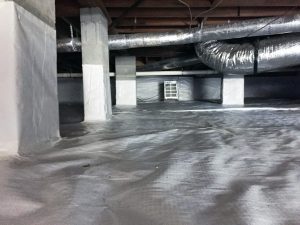

Emerging technologies are playing a pivotal role in shaping the future of smart home solutions, particularly through advancements in waterproofing techniques that emphasize sustainability and elasticity. Innovations such as metal-based waterproofing membranes demonstrate significant resilience and adaptability, allowing for enhanced protection against moisture while maintaining regulatory compliance standards. Homeowners are increasingly seeking these solutions, which not only improve the durability of their homes but also contribute to long-term energy efficiency.
Furthermore, the integration of smart sensors in waterproofing systems is revolutionizing how property owners manage their environments. These devices can send alerts directly to email addresses, enabling real-time monitoring of moisture levels and potential water intrusion. This proactive approach not only addresses immediate concerns but also underscores the importance of sustainable building practices, ensuring that homes are equipped to handle the stresses of climate change effectively.
Predictions for Water Management Solutions in Homes
Future water management solutions in homes are set to evolve significantly, particularly with advancements that target humidity control and moisture mitigation. In regions like Australia, innovative systems incorporating smart pumps will provide real-time monitoring and adaptive responses to changing environmental conditions. These technologies will not only manage water efficiently but also reduce carbon footprints by optimizing energy usage in automated systems.
Furthermore, the emergence of crystal-based humidity sensors may offer precise data on microclimates within residential spaces. By integrating these sensors with automated watering and drainage solutions, homeowners can achieve personalized management of moisture levels. Such advancements ensure buildings remain resilient against water intrusion while supporting sustainability efforts, making homes safer and more efficient in the face of climate challenges.
Conclusion
Smart home solutions that integrate waterproofing with automation systems are essential for enhancing durability and efficiency in modern living environments. By employing advanced technologies and innovative waterproofing techniques, homeowners can actively protect their properties from water damage while maximizing energy use. Regular maintenance and proactive upgrades further ensure these systems operate effectively, safeguarding investments long-term. Emphasizing the synergy between automation and waterproofing not only addresses immediate challenges but also contributes to sustainable and resilient living spaces.

Having started in 1990, we boast expert staff members with collective experience in the industry going strong for over 50 years. We promise our clients superior workmanship and quality in basement waterproofing and foundation repair at budget-friendly prices, capped by a fantastic client experience to ensure your ultimate satisfaction.
We are a local and family-owned business committed to providing top-notch basement waterproofing service and workmanship. We are also actively involved in several non-profit projects for the betterment of our community. In 2025 we celebrated 35 years.
