
When it comes to Signs You Need Waterproofing Services, musty odors, damp walls, and visible cracks signal foundation moisture problems requiring professional attention. Peeling paint, efflorescence, warped flooring, and a sump pump running constantly indicate water intrusion. AquaGuard Waterproofing conducts free basement inspections throughout Maryland, Washington DC, and Northern Virginia, identifying root causes and delivering effective, noninvasive waterproofing solutions before minor dampness becomes costly structural damage.
Key Takeaways
- Visible moisture, dampness, or water stains on basement walls indicate structural vulnerability requiring immediate professional inspection.
- Mold growth and musty odors signal water intrusion that threatens your home’s structural integrity and air quality.
- Aqua Guard Waterproofing’s 50+ years of collective staff experience ensures expert detection of waterproofing failures before costly damage occurs.
- Ignoring water entry signs leads to expensive structural repairs, health risks, and decreased property value over time.
What Visible Signs Point to Water Intrusion?
Standing water on a basement floor represents one of the clearest markers of a compromised foundation. Puddles, damp patches, or a steady trickle across the concrete signal that groundwater has already found a path inside. Homeowners across Maryland, DC, and Northern Virginia often dismiss these patches after a storm, assuming they will simply dry out. That assumption carries risk: recurring moisture weakens flooring materials and invites structural decay over time.
Staining tells a similar story before flooding ever occurs. Discoloration on walls, ceilings, or floors points to moisture infiltration working its way through building materials long before a visible leak appears. These stains often appear yellowish or brownish. Expand gradually, marking the slow path water takes through porous concrete and drywall.
What Should Homeowners Look For During an Inspection?
 A careful walkthrough should focus on corners, floor-to-wall joints, and areas near window wells. Signs you need waterproofing services frequently cluster in these low-visibility zones rather than open floor space.
- Damp or discolored drywall near the foundation line
- Puddles that reappear after rainfall, even in small amounts
- Trickles or seepage along wall seams
AquaGuard Waterproofing approaches every property as a distinct case rather than applying a single template. Each home presents a different combination of soil conditions, drainage patterns, and foundation design, so the contracting team builds a tailored plan for every situation encountered.
Identifying the source matters as much as spotting the symptom. AquaGuard provides no-cost inspections and evaluations specifically to trace water intrusion back to its origin point. That evaluation becomes the foundation for an estimate. A solution suited to the actual cause, not just the surface damage visible during a quick glance around the basement.
Why Do Odors, Stains, and Causes Matter?
Musty odors and discolored walls signal moisture problems long before visible flooding appears. The United States Environmental Protection Agency confirms that excess indoor moisture leads to mold growth. Long-term damage to building materials when left unaddressed. Recognizing these signs that homeowners need waterproofing services early prevents small issues from becoming structural emergencies.
Basement water problems rarely appear at random. Most trace back to causes rooted in a property’s surrounding environment, including soil composition, grading, and drainage patterns unique to the region. A stain on a foundation wall or a lingering damp smell often points to one of these underlying conditions rather than an isolated incident.
Why does the local environment cause basement leaks?
Soil type and weather patterns drive much of the water intrusion homeowners experience across Maryland, Washington DC, and Northern Virginia. Clay-heavy soil retains water and expands after rainfall, pressing against foundation walls with added force. Frequent rainstorms compound this stress, leaving basements especially vulnerable to cracks, seepage, and slow leaks over time.
What should homeowners watch for beyond visible water?
Odors and staining deserve equal attention alongside pooling water on the floor. Key indicators include:
- Musty or earthy smells that persist regardless of cleaning
- Yellow, brown, or white staining on walls and floor surfaces
- Peeling paint or bubbling drywall near the foundation line
- Visible mold spots in corners or along baseboards
Each of these signals moisture working its way through foundation materials. Left unresolved, these conditions accelerate structural wear and compromise indoor air quality throughout the home.
Can Foundation Cracks Signal Deeper Damage?
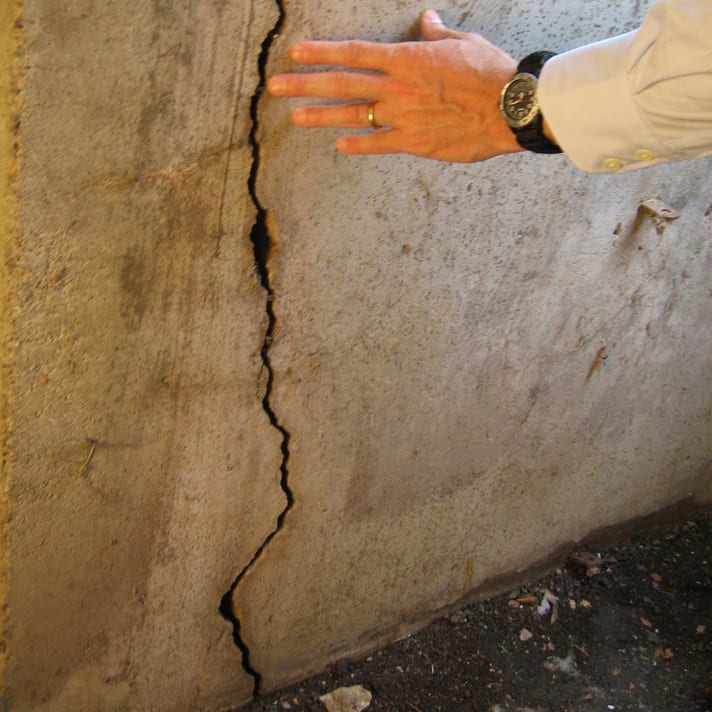
Foundation cracks often mark the boundary between routine home aging and a structural problem in progress. Small fissures in walls or floors commonly form from natural settling and shifting soil, a gradual process that affects nearly every house over time. Left unaddressed, however, these gaps become entry points for water and evidence of stress the foundation was never designed to absorb.
Distinguishing harmless cracking from a genuine threat ranks among the most important signs a homeowner needs waterproofing services. AquaGuard Waterproofing Corporation offers basement waterproofing services in Maryland, District of Columbia, and Virginia, targeting the source of leaks rather than masking symptoms inside the basement. That distinction matters: interior patches may hide moisture temporarily, but the crack itself keeps moving.
How does AquaGuard fix a cracked foundation from the outside?
Technicians excavate around the foundation and install a plasmatic core membrane along its full perimeter. This membrane flexes with the structure as it shifts, resisting new cracking and blocking leaks rather than sealing over a symptom.
Should every foundation crack be repaired immediately?
Not every hairline crack demands emergency action, but any crack showing moisture, widening, or displacement warrants inspection. AquaGuard’s approach favors a permanent resolution over a superficial patch, aiming to keep the basement dry long-term rather than temporarily.
Homeowners evaluating foundation damage should watch for:
- Cracks that widen or lengthen over several months
- Visible moisture, staining, or efflorescence around the crack
- Doors or windows nearby that stick or misalign
- Cracks running diagonally rather than straight vertical lines
Each of these signals points toward movement beneath the surface, not just cosmetic wear, and merits a professional evaluation before the damage spreads further.
What Risks Come With Ignoring Moisture?
Untreated basement moisture escalates into structural and health hazards within months, not years. Mold and mildew colonies spread across drywall, insulation, and stored belongings once dampness lingers unaddressed. These early signs you need waterproofing services deserve immediate attention. Delay compounds both the damage and the eventual repair scope.
Persistent dampness rarely stays static. Left unchecked, it advances from a faint musty smell into visible mold growth that poses genuine health risks to occupants and steadily deteriorates interior finishes. Drywall, baseboards, flooring, even wood framing. What starts as a minor nuisance becomes a costly remediation project.
Does a damp basement actually threaten health?
Yes. Mold and mildew release spores that irritate respiratory systems, particularly for residents with allergies, asthma, or compromised immune function. Interior finishes suffer simultaneously, as damp drywall and framing lose structural integrity over time. The longer moisture sits, the harder and more expensive remediation becomes.
What role does a sump pump play in preventing these risks?
 A sump pump redirects excess water away from the foundation before it accumulates into standing moisture. This equipment works continuously during storms and snowmelt, guarding the home against the structural chaos that unmanaged water produces. Without one, basements prone to flooding face repeated cycles of dampness, mold regrowth, and finish damage.
Homeowners across Maryland, Washington DC, and Northern Virginia face particular exposure given regional rainfall patterns. Consider the compounding risks below:
- Health hazards: mold spores trigger respiratory irritation and allergic reactions
- Structural decay: damp framing and drywall lose integrity over time
- Rising costs: minor dampness left untreated escalates into major remediation expense
Ignoring these warning signs rarely saves money. It simply postpones a larger bill.
How Does AquaGuard Protect Your Home?
Protection starts with a written record, not a guess. AquaGuard Waterproofing Corporation begins every project with a free initial inspection and estimate. Homeowners in Maryland, Washington DC, and Northern Virginia understand the true cause of moisture before any work begins. Once both parties agree on a plan, AquaGuard issues a written contract detailing the scope of work, removing ambiguity about what gets done and when.
Experience shapes that plan. The company’s staff carries more than 50 years of collective experience in basement waterproofing, sump pump installation, and foundation repair, knowledge built from decades of diagnosing signs you need waterproofing services across the region’s clay-heavy soils and humid summers. That depth of practice means technicians recognize warning signs — hairline foundation cracks, musty odors, efflorescence on walls — long before they escalate into structural failure.
What makes AquaGuard a trusted local waterproofing provider?
Longevity matters in this trade. AquaGuard has served area homeowners for decades, a track record that reflects sustained, hands-on familiarity with regional flooding patterns and soil behavior. Local roots also mean faster response times and technicians who already understand the drainage challenges specific to Mid-Atlantic neighborhoods.
Is AquaGuard affiliated with any industry organizations?
Yes. AquaGuard holds membership in the Basement Health Association, an affiliation tied to a strong service record. That standing gives homeowners an added layer of accountability beyond the company’s own promises.
Together, these practices form a protection strategy built on transparency, tenure, and documented reliability rather than assumptions.
FAQ
What are the most common signs of water intrusion?
Standing water, damp patches, musty odors, efflorescence, peeling paint, warped flooring, and a constantly running sump pump all indicate water intrusion requiring professional attention.
Where should homeowners check during a basement inspection?
Focus on corners, floor-to-wall joints, and window wells for damp or discolored drywall, recurring puddles after rainfall, and trickles or seepage along wall seams.
How does AquaGuard Waterproofing identify the cause of moisture problems?
AquaGuard provides free inspections throughout Maryland, DC, and Northern Virginia, tracing water intrusion to its origin point and building a tailored plan based on each property’s soil conditions, drainage, and foundation design.
Conclusion
In closing, recognizing the warning signs of water intrusion represents the critical first step toward protecting your property from costly structural damage. The indicators outlined throughout this article—visible moisture, efflorescence, mold growth, and foundation cracks—demand prompt professional evaluation. AquaGuard Waterproofing Corporation stands ready to assess your specific situation through a complimentary inspection, leveraging decades of industry expertise to deliver tailored solutions that safeguard your investment for years to come.

Having started in 1990, we boast expert staff members with collective experience in the industry going strong for over 50 years. We promise our clients superior workmanship and quality in basement waterproofing and foundation repair at budget-friendly prices, capped by a fantastic client experience to ensure your ultimate satisfaction.
We are a local and family-owned business committed to providing top-notch basement waterproofing service and workmanship. We are also actively involved in several non-profit projects for the betterment of our community. In 2025 we celebrated 35 years.