
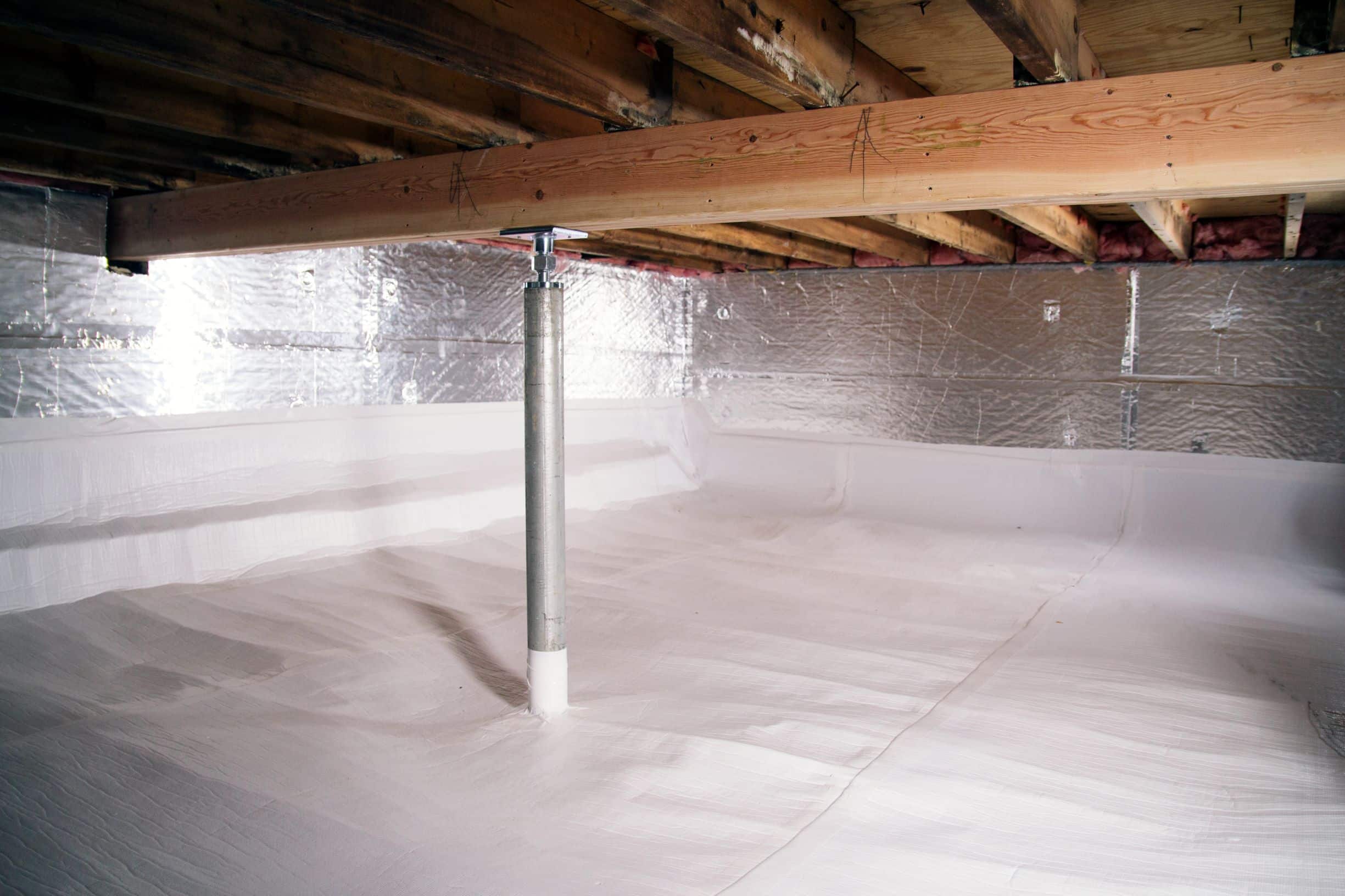
Taking action to waterproof the crawl space beneath your home is not just a preventive measure; it’s a fundamental upgrade to your property’s resilience. With the expertise of a seasoned crawl space contractor, homeowners can apply a resilient coat to the foundation and masonry, creating a robust barrier against moisture intrusion that often plagues basements. The result is a fortified underbelly for your dwelling, extending its lifespan and forestalling water-related structural concerns.
Keep reading to uncover how simple waterproofing steps can yield extensive benefits ranging from healthier living spaces to financial savings and enhanced home value. The peace of mind that comes with knowing your house stands safeguarded against the elements is an investment worth considering.
Enhancing Home Durability With Crawlspace Waterproofing
 Maintaining the integrity of a home often starts from the ground up, with particular attention to the foundations that keep a house steadfast. Implementing crawlspace waterproofing is a key strategy in protecting these vital structures. A properly sealed space beneath a home serves as a formidable barrier against the relentless assault of moisture which, if left unchecked, can erode foundation materials over time. Beyond the use of sump pumps, which tackle the problem of accumulated water, proactive measures like applying spray foam can further insulate and shield the area from dampness.
This approach not only helps in fending off potentially devastating structural damage caused by water intrusion but also creates an inhospitable environment for pests and rodents seeking a moist haven. Through such comprehensive waterproofing endeavors, the long-term stability and durability of a residence are significantly improved, forestalling the costly repairs that water damage can precipitate.
Extending the Lifespan of Foundation Materials
Water infiltration can compromise foundation materials, but installing a sturdy membrane at the to the perimeter of the crawlspace mitigates this risk significantly. By creating a waterproof barrier, the membrane ensures the underlying soil and foundational structures remain dry, effectively prolonging their structural integrity and service life.
Incorporating a dehumidifier within the crawlspace can protect both duct work and electrical wiring from the harmful effects of excess moisture. This approach maintains a consistent environment that discourages the rust and corrosion that can lead to costly infrastructure failures within the home’s foundational systems.
Preventing Structural Damage From Water Intrusion
Reliable crawl space services target water intrusion, a common culprit behind weakened structures and foundations. By re-routing water away from the home with well-placed downspouts and meticulous plumbing maintenance, these services minimize the risk of damage and deter the decay that invites termite infestation.
Enhanced ventilation in the crawlspace prevents moisture buildup, a key facet of structural protection. Regular airflow helps keep wooden supports dry and resilient against rot, while also depriving termites of the damp conditions they need for survival.
Protecting Against Pests and Rodents
An expertly installed sump pump plays a vital role, removing accumulated water that could otherwise become a breeding ground for pests. By maintaining a dry environment, the risk of infestation from rodents and insects drawn to the odors of dampness and mildew is greatly reduced.
Regular inspection and timely touch-ups with resilient paints designed to resist moisture can further deter pests. A well-painted crawlspace presents an additional physical barrier to critters, while also combating the musty smells that often accompany mildew growth, keeping the area less attractive to unwanted guests.
Elevating Indoor Air Quality Through Waterproofing
Crawlspace waterproofing extends its benefits beyond structural preservation; it plays a significant role in maintaining a healthy indoor environment. Rigorous foundation waterproofing directly impacts the aerial quality within a home by creating a moisture barrier that fosters mold and mildew proliferation, notorious for impairing the air we breathe. A thorough crawl space inspection can identify early signs of moisture intrusion, allowing homeowners to take immediate, corrective actions.
Moreover, this proactive approach limits the potential for harmful gases, like radon, that often accumulate in damp, poorly sealed areas, to seep into living spaces. Implementing robust waterproofing measures ensures that the home’s humidity levels remain under control, promoting a drier atmosphere, beneficial to both the home’s structural health and the well-being of its inhabitants. This commitment to customer service, aimed at protecting both the physical house and the health of its occupants, prevents unpleasant conditions such as crawl space mold from compromising the home’s livability.
Reducing Mold and Mildew Growth
A dry crawl space is a formidable defense against the proliferation of mold and mildew, which thrive in damp conditions. Effective crawl space drainage systems ensure that moisture is diverted away from the home’s foundation, preserving the joists from deteriorating fungal growth.
Keeping the crawl space dry not only prevents the establishment of mold and mildew but also makes the area less inviting for pests. Without the dampness that these critters seek, a home’s crawl space remains unattractive to them, contributing to a cleaner, healthier living environment.
Limiting the Accumulation of Harmful Gases
Crawl space encapsulation is an effective technique for reducing the concentration of harmful gases that tend to collect in damp below-ground spaces. As the barrier maintains the area above the water table, ventilation improves, halting the buildup of gases such as radon that can compromise indoor air quality.
Effective drainage systems are critical in preventing water accumulation that could lead to increased humidity and resultant fungal growth within a crawl space. The attention to such details reflects a commitment to customer health, ensuring a home’s lower levels remain free of both standing water and potentially toxic airborne substances.
Decreasing Humidity Levels Indoors
A vapor barrier tightly affixed to the walls of a crawl space reduces indoor humidity by stopping moisture from seeping through subterranean walls into the home. This barrier acts much like a coat for the foundation, preventing potential energy losses and maintaining a consistent temperature from floor to roof.
Efficiently sealed and maintained, a crawl space keeps the indoor environment comfortably dry, which can reduce the strain on heating and cooling systems, thus promoting energy efficiency throughout the entire house. With the added benefit of moisture control, roofing elements and structural components stay protected against humidity-related wear.
Cutting Down on Home Maintenance Costs
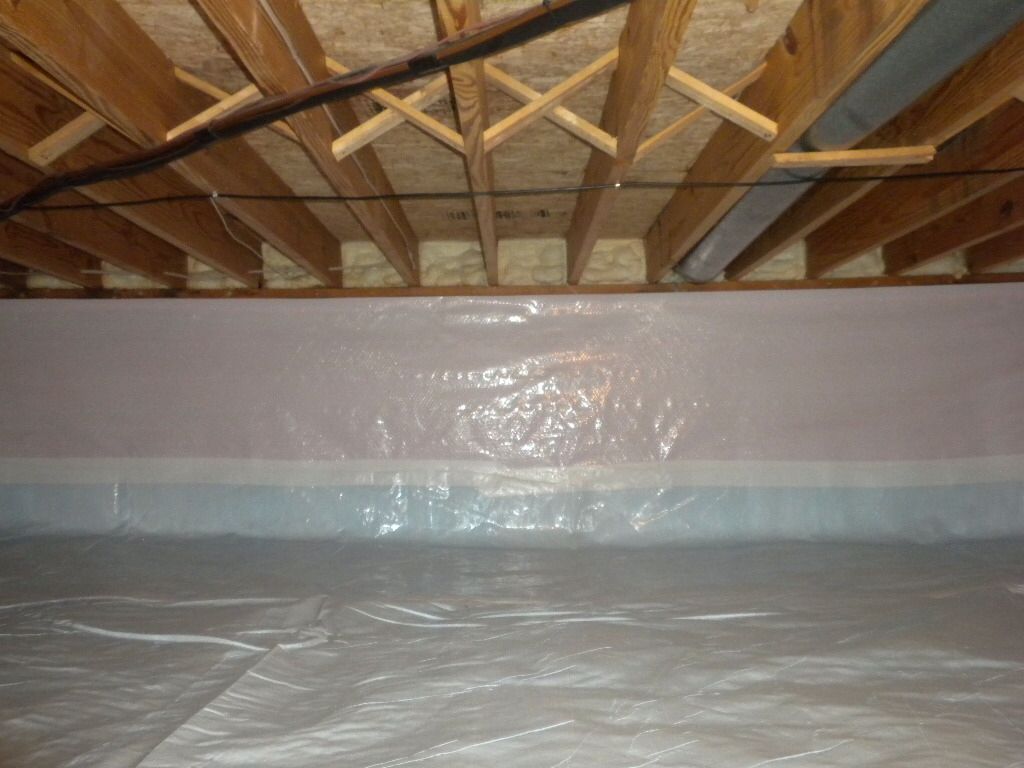 A wet crawl space becomes a hidden culprit in the gradual degradation of a home, prompting an array of issues that demand attention and repair. Crawl space waterproofing offers a practical solution, reducing the frequency and necessity for such repairs, particularly after bouts of heavy rain that saturate the ground and challenge below-grade spaces. By securing this fundamental area against water intrusion – ensuring that wood foundations and supports remain dry and intact – homeowners prevent major structural problems from emerging. Additionally, this protective measure also contributes to thermal consistency, fortifying the residence against energy loss and translating to tangible savings on heating and cooling expenditures over time.
Reducing the Need for Frequent Repairs
Ensuring that the foundation remains uncompromised, basement waterproofing techniques serve as a preemptive strike against the slow, often unnoticed deterioration that necessitates frequent home repairs. The proper installation of drains and water barriers preserves the structural integrity, keeping repair needs and related expenses to a minimum.
Exterior waterproofing offers a robust defense against the perils of water damage, effectively reducing the infiltration of moisture and the need to address foundation issues regularly. This proactive method also significantly diminishes the potential for radon gas accumulation, simplifying a home’s maintenance routine and fostering a safer living environment.
Lowering the Risk of Major Structural Issues
Installing a french drain can dramatically lower the threat of major structural issues that arise from water damage. This type of crawl space repair directs water away from the foundation, mitigating the risk of a devastating flood that could undermine the home’s integrity.
Through careful control of humidity with a sealed and warrantied waterproofing system, homeowners preemptively stave off the deterioration that excess moisture can cause. The security of a warranty gives additional peace of mind, confirming that the crawl space will remain resilient against moisture for years to come.
Saving on Energy Bills by Improving Insulation
Integrating insulation into the crawlspace design is a key method for minimizing energy bills. Specifically, when insulation is applied above a concrete base, it acts as a thermal buffer that reduces the loss of heat through the floor, ensuring a home remains warmer in the cooler months without over-relying on heating systems.
Moreover, a well-insulated crawlspace is less prone to condensation, which not only discourages pest invasions but also prevents the dampness that can degrade structural materials. Homeowners leveraging basement and crawlspace solutions that include robust insulation find their energy costs reduced due to better heat retention and a lesser need for dehumidification.
Crawlspace waterproofing acts as a critical shield, protecting a home’s foundation and structure from moisture’s damaging effects. By preventing water intrusion and controlling humidity, it plays a key role in enhancing indoor air quality and reducing health risks from mold and mildew. This proactive measure equates to significant savings by curtailing the need for frequent repairs and boosting energy efficiency. Ultimately, it enhances property value, offering homeowners peace of mind with a more secure and enduring living space.

Having started in 1990, we boast expert staff members with collective experience in the industry going strong for over 50 years. We promise our clients superior workmanship and quality in basement waterproofing and foundation repair at budget-friendly prices, capped by a fantastic client experience to ensure your ultimate satisfaction.
We are a local and family-owned business committed to providing top-notch basement waterproofing service and workmanship. We are also actively involved in several non-profit projects for the betterment of our community. In 2025 we celebrated 35 years.