


When it comes to How Do I Know if My Basement Needs Aquaguard Waterproofing Solutions?, warning signs include standing water or puddles, damp walls that feel moist, musty odors, efflorescence, and rusty appliances or floor vents. Basement floor cracks, cove joint seepage, and stained drywall also indicate water intrusion. Homes throughout Maryland, Washington DC, and Northern Virginia benefit from AquaGuard Waterproofing’s free basement inspections to identify these problems early.
Key Takeaways
- Basement floor cracks and water leakage indicate foundation damage requiring immediate waterproofing attention.
- Damp, sticky basement conditions lead to costly structural problems and health hazards.
- Water stains on walls and puddles after rain signal active moisture infiltration issues.
- AquaGuard Waterproofing’s staff members bring over 50 years of collective experience to serving homeowners, property managers, and contractors in Maryland, DC, and Virginia.
What Early Warning Signs Signal a Wet Basement?
Standing water or puddles on a basement floor rank among the clearest signals that moisture has breached a home’s foundation. Maryland, DC, and Northern Virginia homeowners who spot this sign should treat it as an urgent maintenance flag, not a passing nuisance. Left unaddressed, pooling water spreads into subfloor materials, weakens framing, and invites mold growth within days.
Water stains or discoloration on walls tell a similar story, only after the fact. These marks show that moisture already traveled through masonry or drywall before evaporating, meaning the intrusion has been ongoing rather than a single event. A homeowner noticing yellow, brown, or gray staining along baseboards or upper wall sections is looking at evidence of a leak history, not an isolated accident.
How can a homeowner know if a basement needs AquaGuard waterproofing solutions?
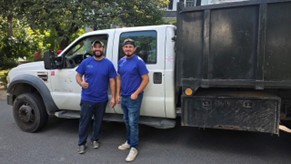 Determining how do I know if my basement needs AquaGuard waterproofing solutions starts with careful visual inspection paired with professional diagnosis. AquaGuard’s foundation contractors examine walls and floors for leaks. Cracks to pinpoint the true source of moisture before recommending any repair. That diagnostic step matters, because surface symptoms — a stain, a puddle — rarely reveal whether the culprit is a hairline crack, hydrostatic pressure, or a grading failure outside the home.
Common signs worth tracking include:
- Standing water or puddling after rainfall
- Wall discoloration or staining, especially recurring in the same spot
- Visible cracks near the foundation’s cove joint or wall seams
Why do these signs matter for foundation health?
Each sign points to water actively moving through or around the foundation. Ignoring the pattern allows moisture to compromise structural integrity over time. What starts as a manageable repair can turn into a far larger reconstruction project if the source goes undiagnosed.
Which Basement Cracks and Foundation Issues Need Attention?
Not every crack signals disaster, but certain patterns demand professional evaluation. Homeowners wondering how do I know if my basement needs Aquaguard Waterproofing solutions should start by inspecting foundation walls and floors for splits, gaps, or shifting. Natural settling of homes and soil movement create small cracks in foundation walls and floors over time. These hairline fractures often begin harmlessly, then widen as moisture repeatedly enters and expands the surrounding material.
Maryland, DC, and Northern Virginia homes face an added regional pressure. Clay-heavy soil absorbs and releases water with every rainstorm, swelling and contracting against foundation walls. That constant push places extra stress on foundations, leaving basements throughout the region especially vulnerable to water intrusion.
How do cracks differ from cove joint seepage?
Cove joints sit where basement walls meet the floor, and they represent a distinct entry point separate from wall cracks. Seepage at this joint counts among the recognized signs a basement needs waterproofing attention. Water pressure below ground level pushes moisture through this seam first.
What foundation repair methods address structural cracking?
Repair strategies depend on severity and cause. Common approaches include:
- Epoxy injection for sealing minor to moderate cracks
- Carbon fiber reinforcement for stabilizing weakened wall sections
- Piering systems for correcting more significant structural movement
These methods stabilize the foundation and prevent additional water damage from developing. Homeowners noticing cracks, cove joint seepage, or wall movement should treat these as structural warnings rather than cosmetic issues, since delayed action allows soil pressure and moisture to compound existing damage.
Could Musty Odors and Mold Indicate Trouble?
Musty odors rank among the clearest early warnings of hidden moisture inside basement walls or floors. A homeowner who notices this smell should not dismiss it as a byproduct of an older house. Moisture trapped behind drywall or beneath flooring often produces the smell long before visible water appears.
A persistent musty odor typically signals mold or mildew growth caused by excess moisture, even when no mold is visible to the naked eye. That absence of visible growth does not mean the basement is safe. Damp, dark conditions inside concrete or block walls create an environment where mold spores multiply quietly, often behind finished surfaces where homeowners cannot see them.
What does a musty basement smell usually mean?
The smell usually points to condensation or seepage building up inside porous materials rather than surface-level dampness. Concrete and masonry block absorb water gradually, holding moisture long after a rainstorm has passed. Once that moisture reaches saturation, odor and organic growth typically follow within days.
Can sealing walls stop the smell from coming back?
Wall sealing and vapor barrier installation address this problem at its source by blocking moisture from migrating through porous concrete or block walls. This approach differs from surface treatments that mask odor temporarily without solving the underlying intrusion.
Homeowners evaluating how to know if a basement needs Aquaguard waterproofing solutions should treat musty odor as a diagnostic clue, not a minor annoyance. Warning signs worth tracking include:
- Persistent musty smell that returns after cleaning or ventilation
- Visible mold on baseboards, drywall, or stored belongings
- Discoloration on walls near the odor source
- Increased odor intensity following rainfall
Ignoring these signals allows moisture damage to spread deeper into the structure over time.
How Do I Know My Basement Needs Waterproofing?
Persistent dampness, musty odors, and visible cracking signal that a home’s foundation is under stress. Homeowners across Maryland, Washington, DC, and Northern Virginia often ask, how do I know if my basement needs AquaGuard waterproofing solutions, especially after heavy rain leaves lingering moisture behind. The clearest answer comes from a professional evaluation rather than guesswork. Surface symptoms rarely reveal the full extent of water intrusion.
AquaGuard Waterproofing Corporation offers free inspections to homeowners weighing whether waterproofing is necessary. During these evaluations, technicians examine walls, floors, and foundation joints to pinpoint how water enters the structure. This assessment forms the basis of a tailored plan rather than a generic recommendation.
What Does a Basement Inspection Actually Involve?
An inspection identifies the specific pathway water uses to reach the basement. AquaGuard’s free evaluations are designed to decipher the root cause of a wet basement. Generate an estimate for a personalized service plan. Rather than applying a one-size-fits-all remedy, the inspection process treats each home as a distinct case.
Who Handles These Assessments?
 Staff members bring more than 50 years of combined industry experience to every evaluation. That depth of knowledge helps distinguish between cosmetic dampness and structural water intrusion requiring immediate attention.
Homeowners across the region benefit from local expertise tied to regional soil and climate conditions:
- Service coverage spans Maryland, the District of Columbia, and Virginia
- Free inspections identify the underlying cause before any work begins
- Combined staff experience exceeds five decades in waterproofing and foundation work
Scheduling an inspection remains the most reliable way to confirm whether a basement requires intervention, turning uncertainty into a documented, evidence-based plan.
What Steps Protect a Home Before Damage Spreads?
Early intervention determines whether a foundation stays sound or requires expensive structural repair later. Homeowners across Maryland, Washington DC, and Northern Virginia protect their properties by combining licensed installation, durable materials, and backup power systems before water damage spreads through framing and drywall. Knowing whether a basement needs AquaGuard waterproofing solutions starts with understanding what proper protection actually includes.
AquaGuard Waterproofing Corporation carries full insurance and licensing, a baseline that matters when contractors excavate near a home’s foundation or alter drainage systems. Licensed status protects homeowners from liability gaps that unlicensed operators often leave behind.
What materials actually stop water long-term?
A plasmatic core membrane installed around the foundation forms the physical barrier between soil moisture and basement walls. This material moves with the structure rather than against it, resisting cracking, deterioration, and leaking as the foundation naturally shifts over time.
Does protection continue after installation ends?
Coverage extends well past the installation date. Manufacturer product warranties remain strong on the materials themselves. AquaGuard’s own service warranties last a lifetime, covering workmanship long after the crew leaves.
Power loss during a storm often causes secondary flooding, even in homes with existing waterproofing. Three protective measures work together to prevent that scenario:
- Licensed, insured installation that meets regional building standards
- Plasmatic core membrane systems that flex with the foundation instead of cracking
- Sump pump and battery backup systems that keep basements dry during power outages, offering reliable protection during storms
Homes lacking any one of these three elements remain exposed to water intrusion, mold growth, and foundation stress, even after previous repair attempts.
FAQ
What are the most common signs a basement needs waterproofing?
Standing water or puddles, damp walls, musty odors, efflorescence, rusty appliances or floor vents, basement floor cracks, cove joint seepage, and stained drywall all signal water intrusion.
How do professionals determine if waterproofing is necessary?
AquaGuard’s foundation contractors examine walls and floors for leaks. Cracks to pinpoint the true source of moisture before recommending repairs, rather than relying on surface symptoms alone.
Where does AquaGuard Waterproofing offer free inspections?
AquaGuard Waterproofing offers free basement inspections to homeowners throughout Maryland, Washington DC, and Northern Virginia, helping identify water intrusion problems early.
Conclusion
In closing, recognizing the signs that your basement requires waterproofing represents a critical step in protecting your home’s structural integrity and property value. Water intrusion, efflorescence, mold growth, and foundation cracks demand professional assessment and intervention. AquaGuard Waterproofing Corporation stands ready to evaluate your specific situation through a complimentary inspection, leveraging decades of industry expertise to deliver tailored solutions that safeguard your investment for years to come.

Having started in 1990, we boast expert staff members with collective experience in the industry going strong for over 50 years. We promise our clients superior workmanship and quality in basement waterproofing and foundation repair at budget-friendly prices, capped by a fantastic client experience to ensure your ultimate satisfaction.
We are a local and family-owned business committed to providing top-notch basement waterproofing service and workmanship. We are also actively involved in several non-profit projects for the betterment of our community. In 2025 we celebrated 35 years.
