


When it comes to DIY Waterproofing Techniques for Basements, effective DIY basement waterproofing techniques include sealing hairline cracks with hydraulic cement, applying masonry waterproof coatings like DRYLOK to interior walls, and clearing gutters and downspouts to redirect water away from the foundation. These steps address minor dampness. Structural cracks, persistent flooding, or foundation shifting require professional evaluation. AquaGuard Waterproofing provides free inspections to identify problems beyond DIY repair.
Key Takeaways
- Interior and exterior sealant application prevents water from becoming trapped in concrete and causing structural damage.
- SealOnce DIY systems start at $8 per foot with free shipping on orders exceeding $100.
- Professional waterproofing combines both interior and exterior methods for the most thorough basement protection results.
- AquaGuard Waterproofing offers free inspections in Maryland, DC, and Virginia; call 301-595-9670 for assessment.
What Should You Prepare Before Starting?
Preparation determines whether basement moisture control succeeds or simply masks a deeper problem. Homeowners who skip this step risk applying basement waterproofing techniques for homeowners to the wrong location, leaving the actual entry point untreated. Wood rot, cracked concrete, and mold growth follow untreated moisture, so identifying the true source matters more than rushing to seal a wall.
How do homeowners find the source of a basement leak?
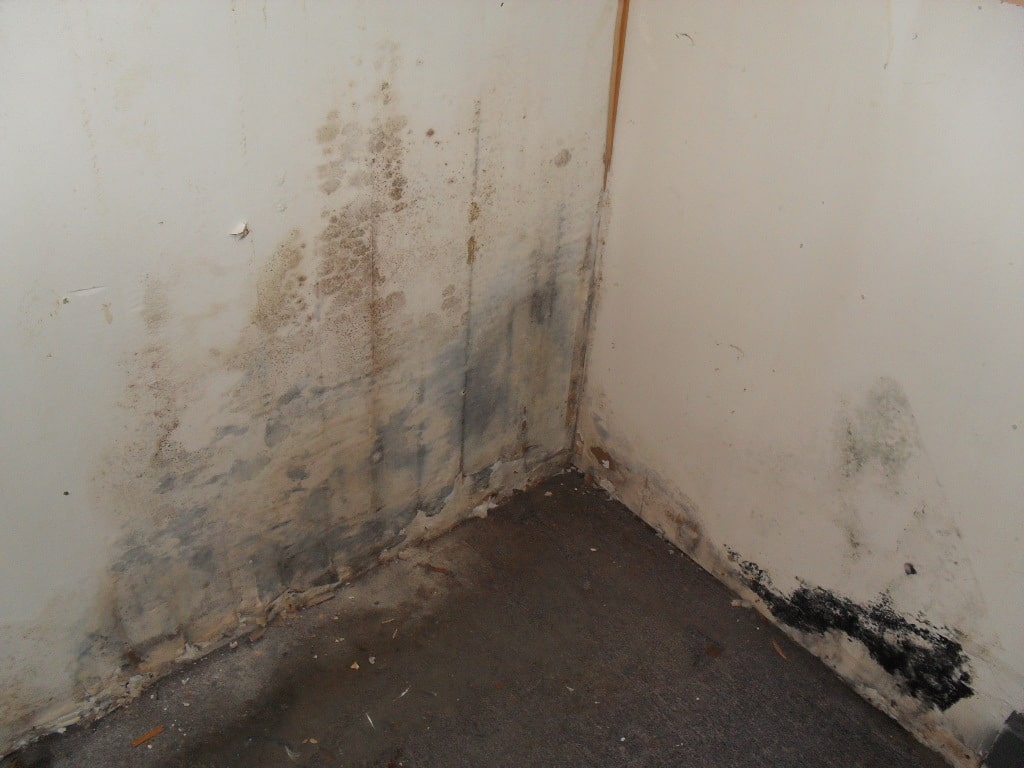 Water rarely enters where it appears. A stain on a wall may trace back to a crack several feet away, poor grading outside, or a clogged gutter. Because every home reacts differently to moisture, a professional evaluation helps confirm the cause before any product gets applied. AquaGuard Waterproofing Corporation offers free inspections that identify these entry points, giving homeowners a factual starting point rather than a guess.
Before picking up a scraper or sealant can, homeowners should complete the following:
- Clear the affected area. Remove boxes, furniture, and stored items away from walls and floors showing moisture.
- Document visible damage. Photograph cracks, stains, and efflorescence to track changes over time.
- Check humidity levels. Note musty odors or condensation, both signs of trapped moisture.
- Schedule an inspection. A trained evaluator distinguishes surface dampness from structural water intrusion.
- Gather protective equipment. Gloves, eye protection, and ventilation reduce exposure to mold spores during cleanup.
Is every basement problem treated the same way?
No single method applies to every home. AquaGuard Waterproofing Corporation treats each wet basement as a distinct case, building a specific plan around the home’s construction, soil conditions, and moisture pattern rather than a generic fix.
How Do You Seal Basement Walls and Cracks?
Sealing basement walls requires coating both the interior and exterior surfaces so water cannot become trapped inside the concrete itself. This dual-sided approach addresses moisture at its source rather than masking symptoms that resurface within months. Homeowners tackling minor dampness can follow a defined sequence to protect walls without disturbing the foundation’s structural integrity.
DIY waterproofing techniques for basements start with proper diagnosis, not product selection. Skipping this step wastes time and money on solutions that never reach the true cause of moisture. Follow these steps for interior wall treatment:
- Inspect walls for hairline cracks, efflorescence, or damp patches before purchasing materials.
- Clean the surface thoroughly, removing loose debris, old paint, and mineral deposits.
- Apply a vapor barrier or masonry sealant designed to block moisture seeping through porous concrete or block walls.
- Allow full curing time between coats, following manufacturer specifications precisely.
- Monitor treated areas after the next significant rainfall to confirm the seal holds.
Is Sealing Alone Enough to Stop Basement Water?
Sealing addresses surface moisture but does not replace drainage for homes facing consistent water contact. Some homeowners choose to coat foundation walls rather than install a full drainage system when moisture remains minor and infrequent. That approach controls dampness but leaves the foundation exposed to standing water pressure from outside, which sealant alone cannot resist indefinitely.
When Should a Homeowner Call a Professional Instead?
Recurring cracks, expanding gaps, or water appearing despite repeated sealing signal a deeper structural issue. AquaGuard’s foundation contractors examine cracks and leaks directly to identify the actual moisture source before recommending corrective work. A free inspection distinguishes cosmetic dampness from foundation-threatening intrusion, protecting homeowners from costly guesswork and repeated sealant failures.
How Do You Improve Basement Drainage Yourself?
Water pooling near a foundation wall signals a drainage problem, not a plumbing one. Homeowners can correct many of these issues by redirecting moisture before it penetrates concrete, using accessible waterproofing techniques for basements that do not require excavation. Minor seepage often responds well to interior fixes. Larger water volumes point toward deeper structural concerns that call for licensed evaluation.
Improving drainage starts with understanding where water enters and where it needs to go. Follow this sequence for interior moisture control:
- Locate the entry point. Trace moisture along the wall-floor joint, since most seepage travels along this seam.
- Install an interior channel system. A hollow baseboard channel bonds watertight to the concrete floor, collecting seeping water before it spreads across the slab.
- Route water to a collection point. Direct the channel toward a sump pump or floor drain so water exits the structure instead of pooling.
- Verify the pump discharges properly. A sump pump paired with interior or exterior drains pushes collected water safely away from the foundation.
Should Homeowners Install Drain Tile Themselves?
Drain tile systems sit beneath the basement floor, collecting water and guiding it toward a sump pump. This work involves cutting into the slab and grading for proper flow, tasks that carry real risk of structural damage if done incorrectly. Homeowners noticing recurring dampness after completing surface-level fixes should treat drain tile installation as a professional-grade project.
What Protects a Basement During a Power Outage?
Storms often knock out electricity at the exact moment drainage systems work hardest. A sump pump equipped with a battery backup keeps the basement dry even when power fails, offering continuous protection during severe weather. Homeowners relying solely on a single-power sump pump risk flooding precisely when protection matters most.
What Common Moisture Problems Should You Watch For?
Three warning signs account for most basement moisture complaints: hairline foundation cracks, soil pressure against exterior walls, and musty air that signals trapped humidity. Clay-heavy soil combined with frequent rainstorms places extra stress on many regional foundations, leaving basements especially vulnerable to water intrusion. Homeowners who catch these signals early face far less risk than those who wait until water pools on the floor.
Natural settling ranks among the most frequent culprits. As homes age, soil beneath and around the foundation shifts, and that movement often produces small cracks in walls and floors. These openings look minor at first but widen over time, giving water a direct path indoors during heavy rain.
Why does a damp basement matter beyond the smell?
 Musty odor is only the surface issue. A wet or damp basement raises the risk of poor indoor air quality and can damage stored belongings, furniture, and building materials. Left unaddressed, trapped moisture also creates conditions favorable to mold growth and wood decay.
Homeowners applying DIY waterproofing techniques for basements should inspect for the following before starting any repair:
- Hairline cracks in poured concrete or block walls
- Efflorescence, the white chalky mineral deposit left by evaporating water
- Peeling paint or bubbling on interior wall surfaces
- Musty smells that persist even with ventilation running
- Damp or discolored patches near the floor-wall joint
Minor cracks and surface dampness often respond to sealants and grading fixes. Structural cracks or recurring flooding signal a deeper problem. AquaGuard Waterproofing favors cost-effective, noninvasive resolutions built around the source of the issue, not a surface-level patch that leaves the underlying cause untouched.
When Is It Time to Call a Professional?
Cracked foundation walls, bowing walls, or water pooling despite sealant application signal a problem beyond surface repair. Homeowners who apply basement moisture control methods and still see recurring seepage face a structural issue, not a cosmetic one. Left unaddressed, these conditions weaken load-bearing walls and threaten a home’s resale value.
What signs mean a basement problem is structural, not surface-level?
Wide cracks, stair-step fractures in block walls, or doors and windows that stick after rain point to foundation movement. These issues require methods such as epoxy injection, carbon fiber reinforcement, and piering systems to stabilize the home and stop further water intrusion. AquaGuard specializes in exterior foundation waterproofing for existing homes, addressing root causes that go beyond what sealants alone can fix.
Is professional waterproofing worth the added cost?
Long-term protection often outweighs repeated sealant purchases. AquaGuard’s staff bring over 50 years of combined industry experience to diagnosing complex moisture and foundation problems. Manufacturer product warranties paired with lifetime service warranties give homeowners protection that store-bought products rarely match.
Consider professional evaluation when:
- Cracks widen or multiply over a season
- Water returns within days of sealing
- Walls bow, lean, or show horizontal shifting
- Musty odors persist despite ventilation efforts
A free inspection identifies whether a problem calls for stabilization work or a targeted drainage solution.
FAQ
What DIY techniques help waterproof a basement?
Homeowners seal hairline cracks with hydraulic cement, apply masonry waterproof coatings like DRYLOK to interior walls, and clear gutters and downspouts to redirect water away from the foundation. These steps address minor dampness effectively.
When does a basement issue need a professional instead of DIY?
Structural cracks, persistent flooding, or foundation shifting require professional evaluation. AquaGuard Waterproofing provides free inspections to identify problems that go beyond what DIY repair can fix.
How can homeowners find the actual source of a basement leak?
Water often enters far from where stains appear, tracing back to hidden cracks, poor grading, or clogged gutters. AquaGuard Waterproofing Corporation offers free inspections to pinpoint these entry points before any product is applied.
Conclusion
In closing, while do-it-yourself basement waterproofing techniques address minor moisture issues, comprehensive protection requires professional assessment and implementation. The structural complexity of basement systems—including foundation integrity, drainage patterns, and hydrostatic pressure dynamics—demands expertise that extends beyond surface-level interventions. AquaGuard Waterproofing’s team brings decades of collective industry experience to evaluate your specific conditions and deploy lasting solutions. A professional inspection identifies root causes that DIY approaches often overlook, ensuring your basement remains protected against water intrusion and structural compromise.