

Waterproofing the basement is like securing a strong foundation for a home—it’s a non-negotiable for ensuring a dry and healthy living space. With the right techniques, tools, such as trench diggers and tiles, you can turn a damp and musty area into a solid, water-resistant haven. A mastery of how to waterproof basement walls forms the cornerstone of taking your basement from liability to asset. This text aims to guide you through the strategic steps and innovative materials essential for establishing a lasting defense against moisture. Stay with us as we shed light on how to create and sustain a basement that remains dry, comfortable, and above all, structurally sound.
Understanding the Basics of Basement Waterproofing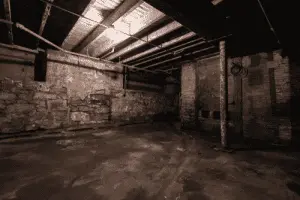

Water damage in basements is a common issue that homeowners face, potentially leading to indoor air quality concerns and structural damage. Understanding the origin of water intrusion forms the cornerstone of an effective waterproofing strategy. Before choosing a waterproofing method, it’s vital to distinguish between the temporary fixes a coat of sealant might offer and the long-term protection achieved through comprehensive waterproofing. While damp proofing can offer some relief from moisture, true waterproofing involves a meticulous process designed to keep basements bone-dry and free from mold growth, which could put drywall and other building materials at risk. Investigating the pros and cons of interior versus exterior waterproofing techniques is key to making an informed decision, one that ensures a dry and healthy living environment. Expert advice, such as that from HomeAdvisor, can guide homeowners through these complex choices toward a lasting solution.
Identifying Common Sources of Water Leaks
Water often seeps into basements where the floor meets the walls, a vulnerable junction where cement may crack and allow moisture entry. Addressing these weak points in concrete structures is essential to prevent the insidious spread of dampness throughout the space.
Outside, improper yard drainage near the home’s perimeter can exert pressure against basement walls, leading to leaks. Ensuring a well-designed drainage system that redirects water away from the foundation is critical to safeguarding the underlying space.
Difference Between Waterproofing and Damp Proofing
Distinguishing damp proofing from waterproofing is critical; the former offers a barrier against soil moisture, but does not account for high water pressure or entry points for liquid water. For home improvement projects aimed at eliminating flood risks, incorporating a sump pump into a waterproofing system is often advised to manage water beneath the basement floor effectively.
For homeowners seeking reliable information on long-term basement protection, understanding that waterproofing solutions are more extensive and involve multiple steps and installations, such as pumps and internal drainage, is essential. Unlike damp proofing, a thorough waterproofing strategy can withstand a range of water issues, from minor dampness to serious flooding, ensuring peace of mind and structural integrity.
Interior vs. Exterior Waterproofing Methods
Interior waterproofing methods often involve the installation of french drains, which effectively channel water away from the foundation and into a sump pump system. Enlisting a structural engineer might be necessary when installing these interior systems to ensure that the house’s structural integrity isn’t compromised and that a vapor barrier is properly placed to block moisture.
In contrast, exterior waterproofing requires excavation around the home to install protective measures on the outside walls, typically more expensive when considering waterproofing basement cost. This approach provides a robust defense against external water sources but may necessitate a substantial investment and the expertise of a basement waterproofing specialist to execute correctly.
Techniques for Effective Interior Basement Waterproofing
Addressing basement moisture requires a multifaceted approach, and sump pumps play a crucial role by actively evacuating water to prevent accumulation on the floor. Beyond this dynamic line of defense, sealants serve as a robust ally, filling cracks and preventing leaks that threaten the foundation’s integrity and might otherwise escalate foundation repair costs. To maintain an arid environment resistant to mold and mildew, dehumidifiers are indispensable in pulling excess moisture from the air. Additionally, the strategic installation of interior French drains provides an efficient channel for water diversion, safeguarding the basement against the pressures of subsurface water that can lead to pervasive dampness.
The Role of Sump Pumps in Basement Waterproofing
Sump pumps emerge as a cornerstone in the strategy to waterproof basement walls, operating as a pivotal mechanism in the overarching battle against basement dampness. This device not only actively removes water that may collect in a basement, particularly during heavy rainfalls but also serves as a wise investment into the property’s longevity and integrity. A properly installed sump pump system can significantly reduce the need for ‘wet basement repair near me’ by preemptively managing potential water issues.
Integrating a sump pump with a robust waterproofing membrane creates a formidable defense against water intrusion, protecting not just the foundation but also the basement ceiling and interior spaces from unwanted moisture. By mitigating the level of humidity and groundwater, sump pumps help maintain a dry basement environment, preventing long-term damage that can arise from persistent water exposure. Householders recognize this tool as an essential investment, securing a dry and comfortable living space below ground level.
The Importance of Dehumidifiers in Maintaining a Dry Basement
Dehumidifiers stand as a cornerstone in any comprehensive basement waterproofing solution, continuously extracting gallons of moisture to ensure a dry, safe habitat. Their use mitigates the risks associated with basement leak repair, directly confronting the humidity that encourages mold and structural damage.
In the combat against dampness within basements and crawl spaces, a waterproofer’s arsenal would be incomplete without a dehumidifier. By maintaining a consistently low moisture level, these devices are integral to preserving the longevity and effectiveness of other repair measures, solidifying their role as a staple in both basement and crawl space repair strategies.
Installing Interior French Drains for Water Management
Installing interior French drains effectively manages groundwater intrusion, helping prevent the need for frequent basement leak repair. This system, installed at the basement’s perimeter, captures water as it rises to the water table, redirecting it from the living space.
While the price of such an installation can vary, the protection it offers against moisture damage is invaluable. By channeling water through a graded trench filled with gravel and a perforated pipe, then concealed with concrete, interior French drains safeguard basements against wire corrosion and structural concerns related to persistent dampness.
Preventing Mold and Mildew in Your Waterproofed Basement
Maintaining a dry basement extends beyond the initial installation of a basement waterproofing system. It involves persistent vigilance against humidity levels that can promote mold and mildew growth, threatening the air quality and structural health of a home. This commitment to a dry basement encompasses the implementation of effective ventilation strategies to ensure steady airflow, reducing moisture levels and the accompanying pressure on interior and exterior waterproofing measures. Utilizing anti-microbial treatments on basement surfaces further safeguards against the proliferation of mold spores. Additionally, the significance of regular maintenance and inspection cannot be overstated. Such schedules are pivotal in detecting early signs of moisture intrusion and addressing them promptly, minimizing potential issues arising from plumbing and other infrastructural concerns. Together, these strategies form a comprehensive approach to preserving the integrity and comfort of a waterproofed basement environment.
Effective Ventilation Strategies
Integrating a ventilation system that can circulate air effectively aids in keeping the basement dry and free from mold, which is an essential consideration following basement repair work. The use of sealants and foam insulation can help to block out moisture, but without proper ventilation, the risk of mildew remains.
Warranty-backed basement waterproofing solutions often include components for effective drainage and ventilation. These systems work in tandem to prevent moisture from lingering and to ensure that any water entering the basement is removed promptly, thereby maintaining the integrity of the waterproofing measures in place.
Using Anti-Microbial Treatments on Basement Surfaces
Regular inspection of basement surfaces can reveal areas where moisture has penetrated, creating a breeding ground for mold and mildew. Anti-microbial polymer applications offer a proactive measure, forming a barrier on walls and floors that hinders the growth of these unwanted guests, thereby providing an added layer of insurance against potential health concerns and structural degradation.
While considering the overall cost of basement waterproofing in Michigan, homeowners should not overlook the long-term savings provided by anti-microbial treatments. These specialized coatings contribute significantly to maintaining the integrity of the waterproofed area, curtailing the need for costly repairs and mitigating the risk of damage that can affect insurance premiums.
Regular Maintenance and Inspection Schedules
Consistent assessment and touch-ups are indispensable for averting the unwelcome arrival of mildew, a persistent hazard in basements prone to damp conditions. Such schedules should always include a careful check for any infiltration of basement water, with the prompt application of silicone sealants to any minor cracks or areas of concern.
In the continuous battle against basement moisture, integrating bentonite panels as a part of regular maintenance can provide an impermeable barrier and address water seepage issues preemptively. These panels, known for their swelling capacity, create an active seal, reducing the ingress of water that often serves as a catalyst for mildew growth.
Choosing the Right Contractor for Your Basement Waterproofing Project
Finding the ideal contractor to deploy basement waterproofing solutions demands attention to several critical factors. Homeowners should prioritize engaging with professionals who demonstrate both reputations for mitigating odors and preventing water damage, with an acute understanding of the impacts on health and home environment. It’s imperative to scrutinize contractors’ assurances, particularly warranties and guarantees that promise enduring protection and confidence in the materials and workmanship. As you evaluate quotes, it’s advisable to consider the full range of a company’s previous projects, seeking evidence of diligent application of caulk and membrane installations, along with comprehensive strategies tailored to diverse basement conditions. An informed selection can transform a damp, odor-laden basement into a healthy and structurally-sound living space.
What to Look for in a Waterproofing Contractor
The selection of a contractor for basement waterproofing necessitates attentiveness to their expertise with key elements like baseboard installation and conformity to building code standards. Given the technical nature of exterior basement waterproofing, homeowners benefit from contractors with a comprehensive knowledge base and a proven track record of navigating such complexities with finesse.
Researching ‘waterproofing companies near me’ should yield professionals adept at integrating downspout systems into the overall moisture management strategy. Prospective contractors need to display adeptness in creating solutions catered to the specific moisture challenges and structural details of your residence.
The Importance of Warranties and Guarantees
Securing a solid warranty or guarantee from a contractor safeguards your investment in basement waterproofing, effectively assuring that any future issues will be remedied without additional expense. These commitments are evidence of a company’s confidence in the quality and durability of their work, offering peace of mind that the waterproofing will stand the test of time.
Guarantees and warranties also reflect the contractor’s accountability for their workmanship and the materials used. When unforeseen problems arise, a reliable waterproofing service provider will address them promptly, underlining their dedication to customer satisfaction and high service standards.
Assessing Quotes and Evaluating Past Work
When reviewing proposals for basement waterproofing, it’s essential to compare not just the price but also the scope of work. Each estimate should be clear and detailed, covering all necessary materials and labor, so homeowners can understand precisely what they’re paying for and what results to expect.
Evaluating a contractor’s portfolio provides valuable insight into their workmanship and the outcomes of their previous projects. Homeowners should seek concrete examples of finished waterproofing tasks that resemble their own needs, ensuring the professional’s experience aligns with their project’s specific requirements.
Conclusion
Ensuring a properly waterproofed basement is critical to preserving a home’s structural integrity and safeguarding indoor air quality. Employing a combination of internal measures, such as sump pumps and sealants, and external methods like coatings and drains, provides robust protection against water damage. By investing in advanced materials and ongoing maintenance, homeowners can mitigate risks of mold and water intrusion. Ultimately, consulting with skilled contractors and securing a warranty reinforces the long-term effectiveness and reliability of the waterproofing strategy.

Having started in 1990, we boast expert staff members with collective experience in the industry going strong for over 50 years. We promise our clients superior workmanship and quality in basement waterproofing and foundation repair at budget-friendly prices, capped by a fantastic client experience to ensure your ultimate satisfaction.
We are a local and family-owned business committed to providing top-notch basement waterproofing service and workmanship. We are also actively involved in several non-profit projects for the betterment of our community. In 2025 we celebrated 35 years.