


Selecting the correct basement windows is the first step toward a comfortable, energy-efficient lower level. Energy-efficient basement windows improve insulation and support moisture control, which help preserve comfort and prevent structural issues. This guide examines common window styles, insulation approaches, moisture-management strategies, cost factors, and recommended installation practices. With this information, homeowners can make informed choices that balance aesthetic and functional needs. The guide also explains how basement waterproofing can complement window performance to support long-term savings and comfort.
Key Takeaways
- Energy-efficient basement windows improve insulation and moisture control, enhancing comfort and preventing structural damage.
- Proper insulation techniques include air sealing, vapor barriers, and materials like fiberglass, foam board, and spray foam.
- Moisture control strategies involve dehumidifiers, ventilation, and interior waterproofing to maintain low humidity levels.
- Costs for basement window upgrades vary by style, insulation, and waterproofing, ranging from $200 to $6,000.
- Low E glazing on basement windows reduces heat loss, lowers energy costs, and improves thermal comfort.
- Window styles like casement, double-hung, and sliding differ in insulation ratings and energy savings potential.
- Basement waterproofing and foundation repairs protect window integrity and enhance overall energy efficiency.
- Vapor barriers prevent moisture ingress, improving insulation performance and reducing energy expenses.
- Proper installation and sealing with quality materials are essential to maximize energy savings and window performance.
Insulation Techniques
Insulation methods are central to improving basement window energy performance. Effective measures reduce heat transfer, stabilise indoor temperature, and lower energy use. Core approaches include thorough air sealing and installation of vapor barriers to strengthen the basement’s thermal envelope. Common insulation products—fiberglass, foam board, and spray foam—offer different R-values (thermal resistance), moisture tolerance, and installation requirements; choose based on performance needs and site conditions.
Moisture Control Strategies
Managing moisture is essential to protect window components and maintain insulation effectiveness. Effective moisture control keeps humidity low, limits mould growth, and preserves materials so windows perform as intended.
- Use of Dehumidifiers: Dehumidifiers help to reduce excess moisture in the air, which protects windows and improves comfort.
- Role of Ventilation: Proper ventilation encourages air circulation and helps to maintain an optimal indoor climate.
- Summary of Interior Waterproofing Techniques: Techniques such as the application of water-resistant coatings and installation of drainage systems are effective in managing moisture levels.
AquaGuard Waterproofing offers consultations to discuss efficient moisture control systems tailored to your home’s needs.
Associated Costs
Estimating costs for energy-efficient basement windows is an important part of project planning. Total expenditure depends on window style, insulation material, drainage or waterproofing work, and the complexity of installation.
| Service Type | Cost Range | Benefit |
|---|---|---|
| Interior Waterproofing | $1,000 – $3,000 | Provides an extra layer of moisture protection |
| Exterior Waterproofing | $2,500 – $6,000 | Protects the foundation and basement area |
| Dehumidifiers | $200 – $800 | Reduces humidity effectively |
Costs can vary widely by style and local requirements, so it is essential to evaluate specific needs and applicable codes. At AquaGuard Waterproofing, we provide free inspections and estimates to support accurate budgeting for your project.
Which Basement Window Styles Offer the Best Energy Savings?
To identify the most energy-saving options, compare common styles—casement, double-hung, and sliding—against their thermal performance and air-sealing characteristics. Adding Low E glazing (a low-emissivity coating that reflects radiant heat) further reduces heat transfer while allowing natural light, improving overall thermal comfort.
 What Are the Benefits of Low E Basement Windows?
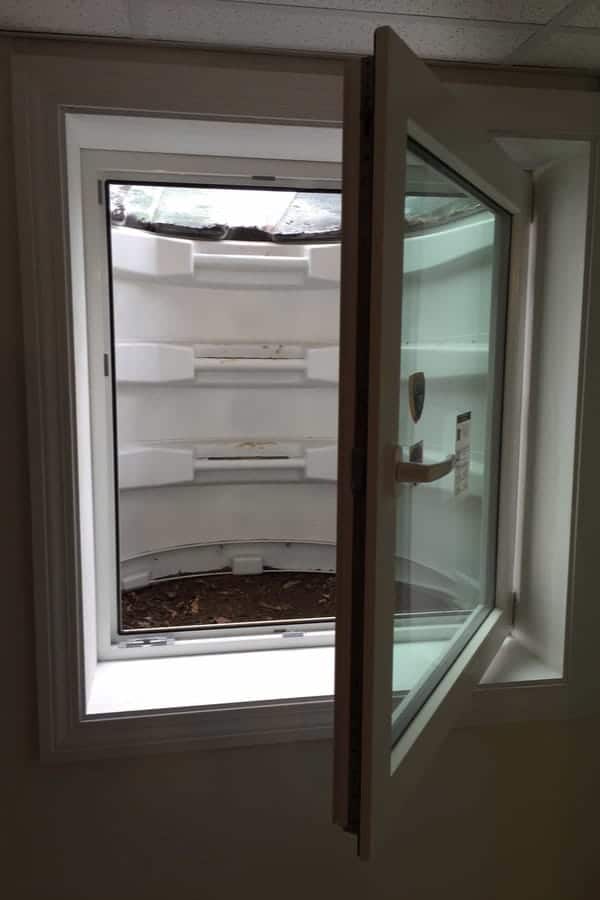
Low E basement windows offer multiple advantages:
- Reduction in Energy Costs: By minimizing heat loss, Low E windows significantly lower heating and cooling expenses.
- Enhanced Thermal Comfort: These windows keep indoor temperatures stable, promoting a more comfortable environment.
- Long-term Value of Investment: Investing in Low E windows can improve home resale value due to enhanced energy efficiency ratings.
How Do Different Basement Window Types Compare in Insulation Ratings?
Window types differ in insulation effectiveness, which affects overall energy consumption. Comparing thermal properties and ratings allows homeowners to choose models that align with their climate, comfort goals, and expected energy savings.
- Thermal Performance: Some windows have superior thermal resistance, reducing the need for heating.
- Impact on Heating and Cooling Efficiency: Choosing windows with high energy ratings improves overall home efficiency.
- Recommendations for Best Use Cases: Keep in mind regional climate conditions when selecting window types for optimal performance.
How Does Basement Waterproofing Enhance Window Energy Efficiency?
Basement waterproofing supports window energy performance by keeping the foundation and surrounding soil dry. Dry conditions reduce the risk of mold and mildew, which can compromise window frames and insulation over time.
In What Ways Does Moisture Control Support Window Performance?
Systematic moisture control protects window materials and helps preserve insulation R-values, which improves overall energy conservation and maintains predictable indoor conditions.
How Do Foundation Repairs and Sump Pump Systems Protect Windows?
Foundation integrity influences how well windows remain sealed and aligned. Timely foundation repairs prevent movement that can create gaps, while a properly maintained sump pump manages groundwater and reduces the risk of water intrusion near window openings.
What Are Effective Vapor Barrier Solutions for Basement Windows?
Vapor barriers reduce water vapour migration that can degrade insulation and window components. Proper barriers improve insulation performance and help maintain a dry, comfortable basement environment while protecting structural elements.
Why Are Vapor Barriers Crucial for Basement Window Insulation?
Vapor barriers are important for moisture control in basements. They:
- Prevent Moisture Ingress: A well-installed vapor barrier prevents dampness that can penetrate through walls and windows.
- Role in Enhancing Insulation Value: Keeping moisture at bay contributes to improving the effectiveness of insulation materials.
- Costs Associated with Poor Vapor Barrier Installations: Failing to install an efficient vapor barrier can result in higher energy costs and potential damage.
Which Vapor Barrier Materials Are Recommended for Basement Applications?
Select appropriate vapor-barrier materials for lasting performance. Common recommendations include polyethylene sheeting, foil-faced polyisocyanurate, and liquid-applied membranes, each selected based on basement conditions and installation goals.
What Are Key Installation Best Practices for Energy-Efficient Basement Windows?
Correct installation is essential to achieve the expected energy and moisture-control benefits of basement windows. Use quality materials, follow manufacturer specifications, and adhere to established installation practices to ensure reliable performance.
 How Should Basement Window Sealing Be Performed to Maximize Energy Savings?
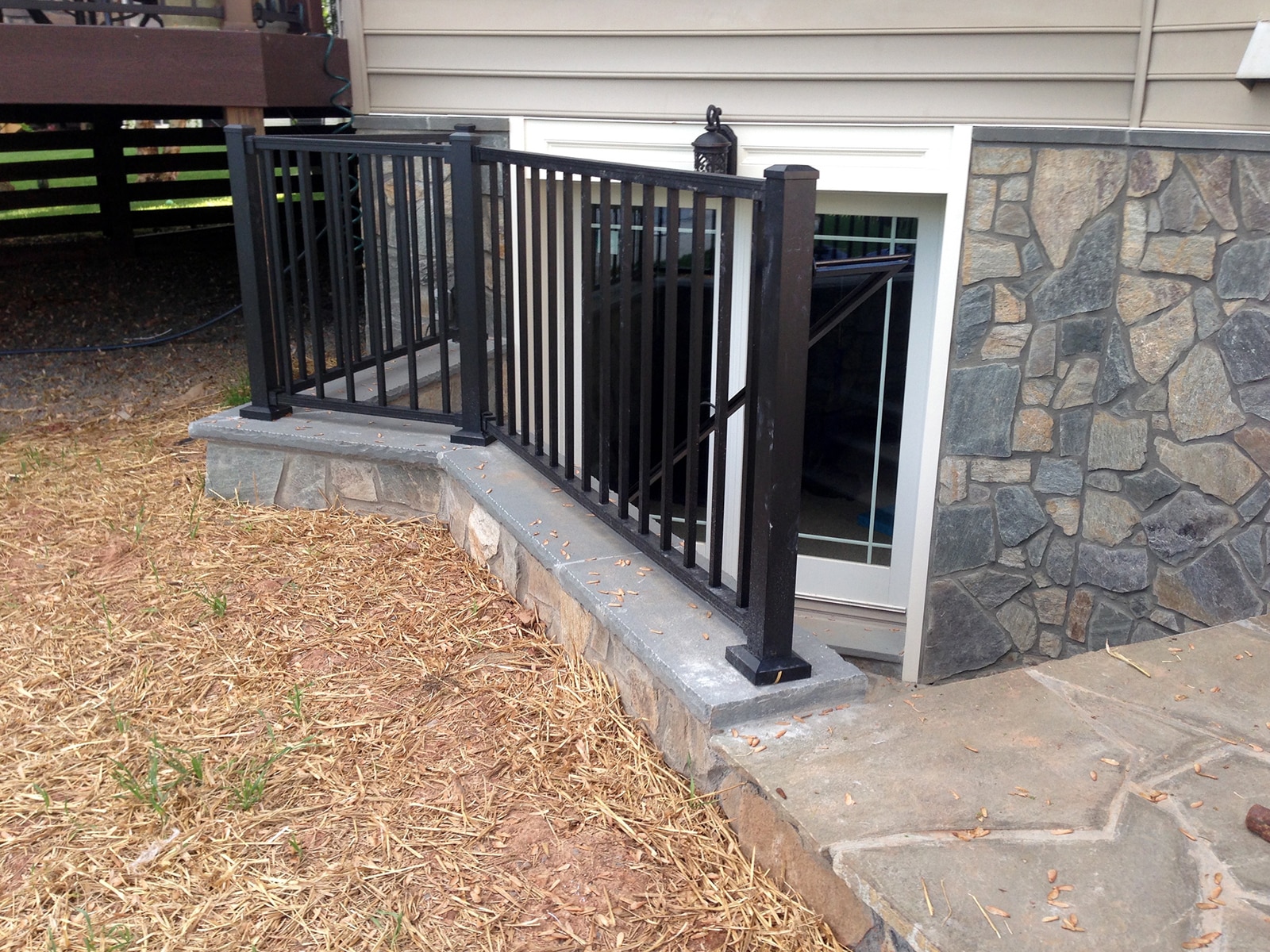
Effective sealing is essential for maximizing energy savings in basement windows. Proper sealing techniques help to reduce air leaks:
- Best Sealing Materials: Consider using silicone caulk and weatherstripping for durability and effectiveness.
- Techniques for Reducing Air Leaks: Ensure joints are adequately sealed and check for gaps during installation.
- Importance of Regular Maintenance: Regularly inspecting seals will help maintain energy efficiency.
What Steps Ensure Proper Window Fit and Structural Compatibility?
Achieving correct fit and compatibility is critical. Essential steps include:
- Measurement Techniques: Ensure accurate measurements of the window frame for a snug fit.
- Consideration of Structural Framing: Understand how framing can impact installation choices.
- How to Ensure Compatibility: Using compatible materials will enhance overall performance.
What Costs Are Associated with Basement Window Replacement and Upgrades?
Upgrading to energy-efficient windows involves an upfront investment that can yield lower energy bills and improved comfort over time. Knowing typical price ranges and the factors that drive cost helps with planning and decision-making.
| Window Style | Cost Range | Energy Efficiency Rating |
|---|---|---|
| Double-Hung | $300 – $600 | Up to 30% improvement |
| Casement | $500 – $1,200 | Up to 40% improvement |
| Sliding | $250 – $600 | Up to 25% improvement |
Differences in style, glazing, and specialised features affect price and efficiency. Understanding the cost impact of options such as energy-efficient coatings helps homeowners choose solutions that meet budget and performance goals.
How Do Window Style and Energy Features Influence Replacement Costs?
Window style and energy features affect replacement expenses. Upgrades like triple-pane glass or Low E coatings increase initial costs but typically reduce operating costs through lower energy consumption.
Are There Financial Incentives or Energy Tax Credits Available for Upgrades?
Financial incentives and tax credits may be available for energy-efficient window upgrades. Review local, state, and federal programs to determine eligibility and potential savings before planning the project.
- Overview of Credits and Incentives Available: Energy-efficient windows may qualify for local, state, or federal tax credits.
- Eligibility Requirements for Homeowners: Check specific guidelines to ensure your home improvements qualify.
- Potential Savings Through Tax Credits: These incentives could offset the installation costs significantly.
Frequently Asked Questions
1. How do I maintain my energy-efficient basement windows?
Regular maintenance preserves performance. Inspect seals for gaps or deterioration and renew caulking or weatherstripping when needed. Clean glass with non‑abrasive cleaners to maintain light transmission, and treat or paint surrounding frames to prevent rot. If you see condensation between panes, that may indicate seal failure and should be evaluated by a professional.
2. What window size is best for maximizing energy efficiency?
Window size affects heat gain and loss. Larger units increase daylight and ventilation but can raise heat transfer. Balance size with the basement layout and local climate. A professional assessment will identify dimensions that optimise efficiency and comfort for your space.
3. Can I retrofit existing windows for better energy efficiency?
Yes. Retrofitting options include adding storm windows, applying Low E coatings, or installing insulated window inserts. Sealing air leaks and adding insulation around frames also improves performance. Evaluate the current condition and consult experts to select the most suitable retrofit measures.
4. What common mistakes should I avoid when installing basement windows?
Frequent errors include incorrect fit, inadequate sealing, and use of low-quality materials. Take precise measurements, ensure the frame is level, and install vapour barriers and insulation correctly to avoid moisture problems. Hiring an experienced installer reduces these risks and helps ensure compliance with building codes.
5. Do energy-efficient basement windows require special cleaning procedures?
Cleaning methods are similar to standard windows, but avoid harsh chemicals that can damage coatings such as Low E. Use water with mild detergent or a dedicated window cleaner, and clean with soft cloths or a squeegee to prevent scratching. Regular cleaning maintains light transmission and supports insulation performance.
6. How do energy-efficient basement windows affect home resale value?
Energy-efficient windows can enhance resale appeal by lowering projected energy costs and improving insulation ratings. Upgraded features often make properties more attractive to buyers and can support a higher sale price in competitive markets.
7. What are the environmental benefits of using energy-efficient basement windows?
Energy-efficient windows reduce energy consumption and associated greenhouse gas emissions by lowering heating and cooling demand. They help maintain comfortable indoor conditions with less reliance on mechanical systems. When manufacturers use sustainable materials, the overall environmental impact through the product lifecycle can be reduced further.
Conclusion
Investing in energy-efficient basement windows delivers measurable benefits: improved insulation, better moisture control, and potential long-term energy savings. This information equips homeowners to select solutions that protect comfort and structural integrity. To review suitable window options and discuss your project, contact us to arrange a consultation.