

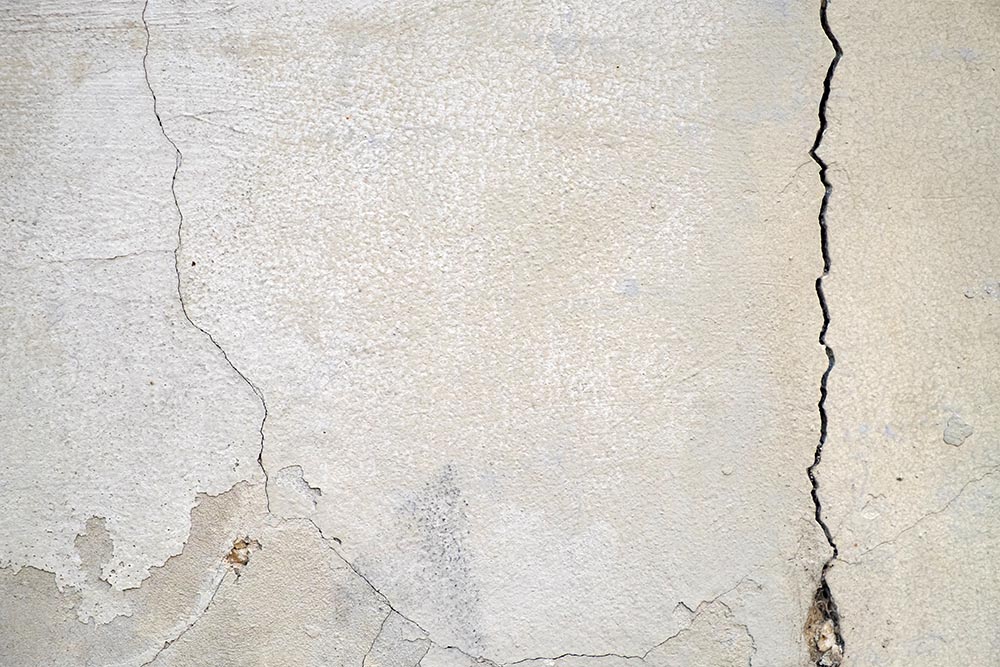
Foundation problems present in several ways, and homeowners may not immediately know how severe they are. Identifying warning signs early reduces the risk of extensive repairs and high costs. This article describes the key indicators of foundation distress, emphasising visible damage and moisture-related causes so homeowners can take timely protective action.
The foundation supports the entire structure and must remain stable to preserve overall integrity. Detecting cracks and moisture issues is essential for long‑term property health. The sections below explain common signs of foundation distress, the urgency for repairs, and practical mitigation strategies.
Key Takeaways
- Foundation cracks vary in type and severity, with horizontal cracks often indicating serious structural issues.
- Moisture problems like damp spots and mold growth signal potential foundation damage requiring prompt attention.
- Early symptoms such as wall cracks, uneven floors, and sticking doors indicate foundation settlement or movement.
- Monitoring crack size and progression helps determine when professional foundation repair is necessary.
- Basement waterproofing solutions, including sump pumps and drainage systems, effectively manage moisture intrusion.
- Crawlspace encapsulation and ventilation reduce humidity, preventing moisture-related foundation deterioration.
- Routine foundation inspections after severe weather or upon noticing symptoms can prevent costly repairs.
- Emergency foundation repair services provide immediate stabilization to mitigate extensive structural damage.
- Proper moisture control and ventilation enhance foundation longevity and maintain overall home structural integrity.
Recognizing Foundation Cracks
 Foundation cracks are a clear indicator of potential structural concern. They appear as vertical, horizontal, or diagonal lines, and the orientation helps indicate cause. Vertical cracks commonly result from normal settling and are typically less severe, while horizontal cracks often point to higher soil pressure or hydrostatic force from groundwater.
Record the width and length of cracks and monitor them over time to assess severity. Measure cracks periodically; those that widen noticeably should be assessed by a professional.
Identifying Moisture Issues
Moisture intrusion is a primary contributor to foundation deterioration. Look for damp spots on walls, musty odors, or visible mold. Excess moisture can originate from plumbing leaks, inadequate drainage, or poor grading around the property.
Preventive actions—keeping gutters clear and routing downspouts away from the foundation—reduce the risk of moisture damage. Proactive moisture management lowers the likelihood of costly foundation repairs.
Understanding the Urgency of Repairs
Prompt repairs are essential when addressing foundation cracks and moisture problems. Neglect can lead to progressive structural weakening and higher repair costs. Left unchecked, cracks may permit significant water intrusion, compromising the foundation and adjacent structures. For serious water intrusion, various basement waterproofing solutions can be employed.
Early professional evaluation allows homeowners to address issues before they escalate. A qualified foundation specialist can recommend targeted interventions that limit future damage and expenses.
What Are the Most Common Early Symptoms of Foundation Problems?
Recognizing early symptoms enables timely intervention. Common initial indicators include the items listed below.
- Cracks in Walls: Visible cracks in the interior walls or ceilings may indicate shifting foundations.
- Uneven Floors: Sloping or bouncing floors can signal foundational settling or movement.
- Sticking Doors and Windows: Difficulty opening or closing doors and windows can suggest warping due to structural shifts.
Noticing these signs should prompt a thorough inspection to evaluate the foundation’s condition.
How to Identify Foundation Cracks and Their Severity
Evaluating cracks requires systematic inspection. Check each crack’s width, depth, and length, and document measurements over time to determine progression. Cracks that grow wider than 1/4 inch should be evaluated by a professional, as they can indicate significant structural risk.
Use simple monitoring tools—such as crack monitors or a tape measure—to keep accurate records. Seek professional assessment for cracks that enlarge or are accompanied by moisture signs.
What Are the Key Signs of Foundation Settlement and Structural Issues?
Foundation settlement shows through several warning signs. Key indicators to monitor include:
- Widening Cracks: An increase in crack size often signifies greater structural failure.
- Bowed Walls: Walls that appear bowed or bulging may indicate excessive pressure or instability.
- Gaps Around Frames: Space appearing around door or window frames can suggest severe shifts in the foundation.
Early detection of these signs can limit further damage and lower repair costs.
How Can Basement Water Leakage Indicate Foundation Damage?
Basement water leaks commonly indicate foundation‑related issues. Water entry can result from inadequate drainage, foundation cracks, or gaps around windows and doors. If left unaddressed, leaks may cause mold growth, structural deterioration, and degraded indoor air quality.
Identify the source of leaks by inspecting window seals, foundation walls, and the basement slab, and address the cause promptly to prevent further interior moisture damage.
Which Basement Waterproofing Solutions Address Moisture Intrusion?
Several waterproofing strategies reduce moisture intrusion. Key approaches include:
- Interior Drainage Systems: These systems manage excess water by directing it away from the foundation.
- Sump Pump Installation: A sump pump can remove accumulated water quickly, protecting the basement from flooding.
- Exterior Waterproofing Methods: Techniques such as applying waterproof coatings or installing drain tiles outside the foundation help prevent moisture from entering.
These measures protect the foundation and can enhance the property’s resale value.
What Are the Visible Signs of Water Damage in Basements?
Visible water damage in basements indicates the need for prompt attention. Homeowners should watch for:
- Musty Odors: A damp smell indicates moisture presence, often leading to mold growth.
- Damp Spots and Stains: These may appear on walls, floors, or ceilings and signal water intrusion.
- Mold Growth Indicators: The presence of mold is a strong sign that moisture is affecting the area and should be addressed immediately.
Prompt action on these signs helps protect the foundation from further deterioration.
Why Is Crawlspace Moisture a Critical Indicator of Foundation Health?
Moisture in the crawlspace can undermine foundation stability. It encourages wood rot, weakens structural components, and attracts pests. Damp conditions also promote mold and mildew, which can negatively affect indoor air quality.
Schedule a free inspection now to assess potential crawlspace moisture issues and confirm your foundation’s condition.
Measure humidity and ensure adequate crawlspace ventilation. Consider encapsulation to create a barrier against moisture and to improve indoor air quality.
How Does Crawlspace Encapsulation Prevent Moisture-Related Foundation Problems?
Encapsulation seals the crawlspace with a vapor barrier to create a controlled environment that reduces moisture levels. This approach lowers the risk of humidity‑related structural problems.
A properly encapsulated crawlspace can improve energy efficiency, enhance air quality, and reduce the risk of foundation damage by addressing moisture at its source.
What Common Crawlspace Moisture Problems and Their Effects?
Typical crawlspace moisture problems include:
- Mold and Mildew Growth: Excess moisture can lead to problematic mold in hidden areas.
- Indoor Humidity Increase: Elevated humidity levels can affect the entire home.
- Pest Activity Increase: Moist conditions can attract pests, leading to further complications.
Early detection and targeted moisture-control measures protect both the foundation and the home.
When Should You Schedule a Professional Foundation Inspection?
Arrange regular foundation inspections. Consider scheduling them:
- After Severe Weather Events: Following heavy rain or storms, it’s prudent to evaluate potential damage.
- Upon Noticing Warning Signs: If you observe cracks or uneven flooring, professional examination is warranted.
- For Routine Maintenance: Regular check-ups can catch problems before they escalate.
Proactive inspections help homeowners avoid larger repairs and unexpected expenses.
What Emergency Foundation Repair Services Are Available for Urgent Cases?
When urgent foundation problems occur, emergency repair services provide immediate support. Common options include:
- Emergency Assessments: Quick evaluations to determine the nature of the problem.
- Crisis Repair Services: Immediate intervention to stabilize a failing foundation.
- Ensuring Quick Response: Fast responses are essential to mitigate extensive damage.
Work with reputable contractors to ensure a prompt, effective response during emergencies.
How Do Warranties and Long-Term Solutions Ensure Foundation Stability?
Warranties provide homeowners with reassurance about repair quality and longevity. Many providers offer warranties that cover repair work for a defined period.
Combining long-term repair methods with moisture control and regular maintenance delivers more durable protection. Warranties plus ongoing care give homeowners greater confidence in their foundation’s stability.
What Role Do Sump Pumps and Floor Drain Systems Play in Protecting Foundations?
Sump pumps and floor drains protect foundations by managing excess water as follows:
- Sump Pumps: Actively pump out water that accumulates in basements, preventing flooding.
- Floor Drains: Help capture water from surfaces and direct it away from the foundation.
Maintain these systems regularly to ensure continuous protection.
How Do Sump Pump Installations Prevent Basement Flooding?
Sump pumps prevent basement flooding by automatically removing accumulated water. Proper installation requires selecting the correct pump capacity and ensuring reliable operation. Regular testing and debris removal keep the pump functioning as intended.
Installing a quality sump pump system reduces the risk of costly flood damage.
Why Are Floor Drain Systems Essential for Moisture Control in Foundations?
Floor drains support moisture control in basements and crawlspaces by:
- Assist in Water Management: Redirect water flow away from foundation areas.
- Prevent Accumulated Moisture: Help minimize standing water that can cause structural damage.
- Maintain Dry Environments: Ensure proper drainage to keep the area dry and healthy.
Correct installation and routine upkeep of floor drains help protect the foundation from moisture-related damage.
How Can Proper Ventilation and Moisture Control Enhance Foundation Longevity?
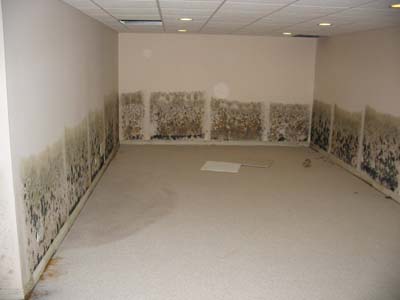 Effective ventilation and moisture control extend foundation life. Key measures include:
- Crawl Space Ventilation: Encouraging air circulation to minimize humidity levels.
- Routine Inspections: Keeping moisture levels in check is crucial for preserving structural integrity.
- Maintaining Optimal Humidity: Utilizing dehumidifiers or air conditioning helps control indoor moisture levels.
Applying these practices improves foundation durability and increases home comfort and safety.
What Ventilation Techniques Reduce Structural Foundation Issues?
Ventilation reduces foundation problems by improving airflow. Effective methods include:
- Installing Vents: Strategic placement of vents in crawlspaces allows for better airflow.
- Employing Fans: Using fans can enhance airflow, reducing humidity levels in enclosed spaces.
- Creating Openings: Allowing natural airflow through windows or vents creates an optimal environment.
These ventilation approaches reduce moisture-related risks to foundation stability.
How Does Moisture Control Help Prevent Foundation Deterioration?
Controlling moisture protects foundations by:
- Preventing Water Intrusion: Ensuring that water is directed away from the foundation prevents structural damage.
- Enhancing Property Value: A well-maintained foundation contributes to overall home integrity and value.
- Reducing Repair Costs: Taking proactive measures can decrease the likelihood of extensive repairs.
Investing in moisture control yields a more resilient foundation and can reduce future repair costs. Homeowners with concerns about their specific foundation needs or foundation repair in their region should consult local specialists.
Addressing crawlspace waterproofing is essential because crawlspace moisture can cause long‑term structural issues. Regular maintenance and preventive measures are key to avoiding deterioration.
Frequently Asked Questions
What should I do if I notice cracks in my foundation?
Measure each crack’s width and length and monitor changes over time, noting observations on a calendar. For cracks wider than 1/4 inch or those accompanied by other distress signs, engage a foundation repair professional for a full evaluation and recommended repairs. Early action reduces the risk of more extensive damage and higher costs.
How do I know if my basement is properly waterproofed?
Check for damp spots, musty odors, or visible mold as indicators of water entry. Confirm that gutters and downspouts divert water away from the foundation and that sump pumps operate correctly. Inspect walls for cracks that could allow moisture penetration. Routine inspections help maintain a dry, waterproof basement.
Can DIY moisture control measures be effective for foundation health?
Basic DIY steps—cleaning gutters, ensuring proper grading, and using dehumidifiers—can reduce moisture. However, these measures may not address underlying structural or severe moisture issues. If you observe significant moisture or structural symptoms, a professional assessment and comprehensive solutions are recommended for long‑term protection.
How often should I schedule foundation inspections?
Schedule inspections at least once a year and after major weather events like heavy rain or storms. If you notice warning signs such as wall cracks or uneven floors, arrange an immediate inspection. Regular monitoring helps detect problems early and reduces repair costs.
What are the risks of ignoring foundation problems?
Ignoring foundation issues can lead to progressive structural failure, increased repair costs, and potential safety hazards. Untreated cracking or water intrusion can escalate into extensive damage, lower property value, and foster dampness and mold. Early detection and professional intervention are critical to minimise these risks.
What factors contribute to foundation settling?
Settling can result from soil compaction, changes in moisture levels, and tree root growth. Poor drainage and heavy rainfall can saturate soil and weaken support. Construction defects and soil types—such as clay or sandy soils—can exacerbate settling. Understanding these factors enables homeowners to take preventive steps like improving drainage and monitoring soil conditions.
What is the lifespan of a foundation repair?
Repair lifespan depends on repair quality, chosen methods, and ongoing maintenance. Professionally executed repairs can last for decades, particularly when combined with proper moisture control and regular inspections. Environmental factors such as soil conditions and drainage also affect longevity. Routine maintenance and prompt attention to new issues extend repair effectiveness.
Conclusion
Prompt identification and repair of foundation issues are essential to long‑term home stability. By monitoring cracks and controlling moisture, homeowners protect their investment and reduce the likelihood of costly repairs. If you suspect foundation problems, schedule a professional inspection to assess risks and determine appropriate solutions. Explore our comprehensive services to maintain your foundation’s health and integrity today!