

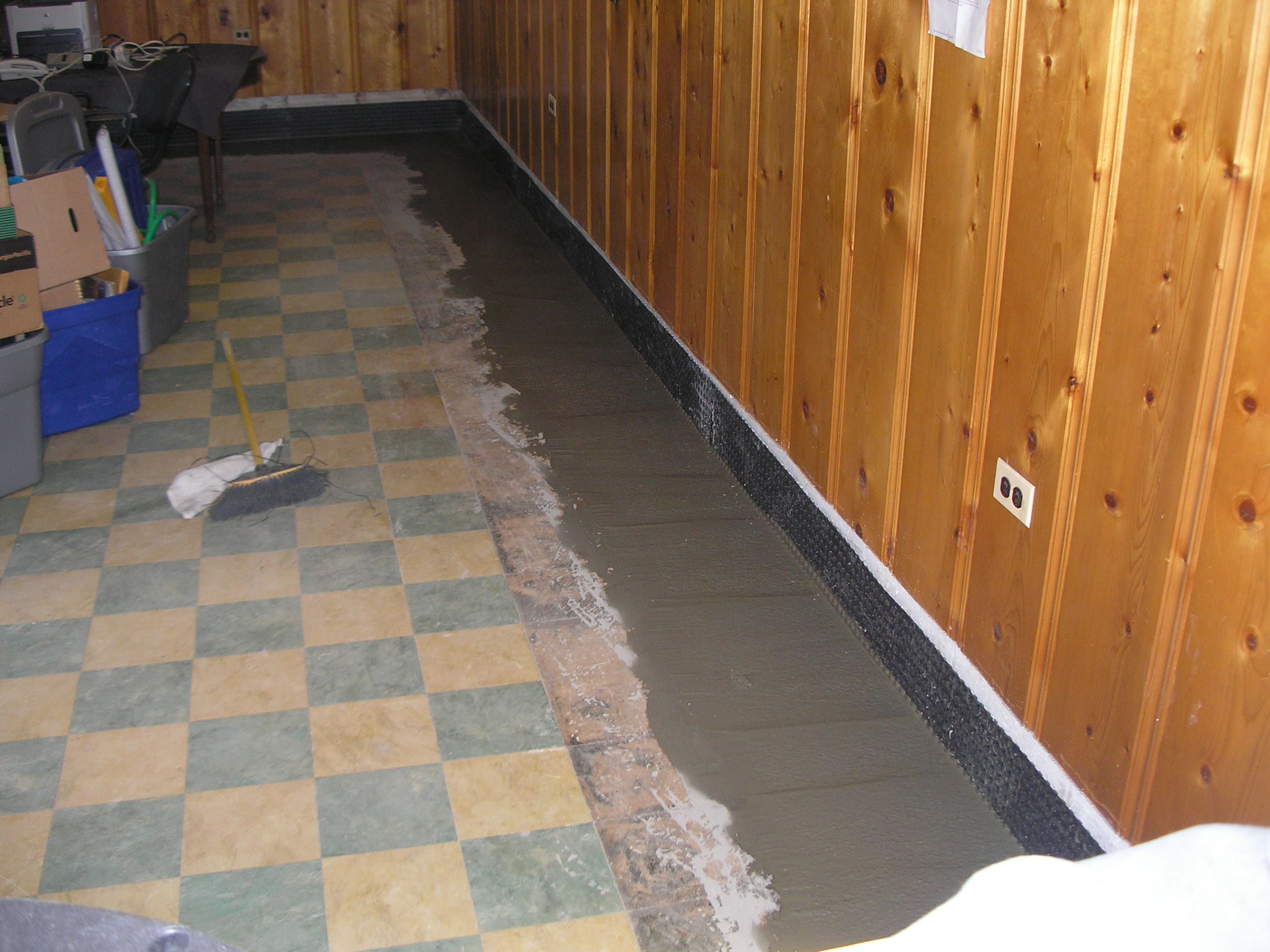
Cold weather can cause significant challenges for homeowners, especially when it comes to basement waterproofing. Many people in Rochester face issues such as leaks or condensation that can lead to costly damage. This article will cover key challenges of cold weather on waterproofing, effective solutions to prevent leaks, and signs of weather-related damage. By understanding these factors, you will better equip yourself to address basement leak repair needs and find appropriate basement waterproofing solutions for your specific zip code.
Understanding Cold Weather and Its Impact on Basement Waterproofing
Cold temperatures significantly influence water seepage in basements. Factors like freezing and thawing cycles can lead to structural issues, allowing moisture to penetrate. Additionally, soil conditions can change during colder months, affecting drainage and increasing the risk of mold on wood surfaces. This section will examine these critical aspects and provide insights on effective basement waterproofing solutions like Everdry Waterproofing.
How Cold Temperatures Affect Water Seepage
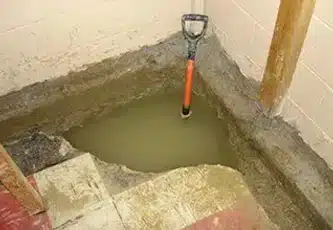
Cold temperatures can significantly impact how water seeps into basements. As the ground freezes, it can cause soil to expand and crack, creating pathways for water to infiltrate from different angles. The subsequent thawing may lead to increased moisture, contributing to issues such as efflorescence on walls, which indicates a water problem. Homeowners might find themselves needing basement flooding repair more frequently during these cycles.
In addition to soil behavior, duct systems in basements also react to cold weather. Poorly insulated ducts can lead to condensation, which further exacerbates the moisture levels in the basement. This situation often necessitates professional basement repair to address not just the water intrusion but also any damage it causes over time. Incorporating an effective pump system can help manage excess water, ensuring that basements remain dry throughout varying temperatures.
The Role of Freezing and Thawing Cycles in Basement Issues
The interplay of freezing and thawing cycles presents significant challenges for basement waterproofing. During colder months, when temperatures plunge, water trapped in the soil freezes and expands, creating cracks and fissures that can allow moisture to seep into the basement. Once the thaw occurs, the resulting water flows indiscriminately, potentially overwhelming drainage systems. This cycle can necessitate a reevaluation of waterproofing basement costs as homeowners face increased risks of water damage and the subsequent need for repairs or enhanced systems.
Additionally, the condition of a home’s crawl space can often contribute to moisture challenges during these cycles. Inadequate drainage and poorly placed gravel can lead to stagnation, exacerbating water buildup that infiltrates the basement. Homeowners should assess their drainage strategies, especially in light of seasonal changes, to ensure efficient water management and prevent damage. Properly maintaining the drainage system is essential for long-term protection against water intrusion, allowing them to protect their investment and maintain a dry environment.
The Relationship Between Soil Conditions and Cold Weather
Soil conditions during cold weather greatly influence the potential for water damage in basements. As temperatures drop, moisture in the ground can freeze, increasing pressure on the soil structure and creating pathways for water infiltration. Homeowners may need to obtain an estimate from a waterproofing professional to assess these soil changes and understand how they can lead to issues like backups in drainage systems.
Properly managing soil drainage is crucial for preventing water-related problems. If the soil remains saturated due to thawing, it can overwhelm existing systems and lead to increased pressure on basement walls. Engaging with reputable companies that have a good standing with the Better Business Bureau can provide effective solutions to ensure soil conditions are monitored, helping to safeguard against future water damage.
Key Challenges in Cold Weather Waterproofing
Cold weather presents multiple challenges for basement waterproofing. Increased risk of foundation cracks often results from freezing temperatures, while ice dam formation on gutters can lead to water backup issues. Additionally, the effectiveness of existing drainage systems may be compromised, and complications can arise with current waterproofing solutions. Homeowners might find themselves searching for “wet basement repair near me” as they address these problems with a qualified basement waterproofing contractor. Understanding these issues is essential for maintaining a dry environment and preventing leaks.
Increased Risk of Foundation Cracks
During colder months, the ground can freeze and create conditions that increase the likelihood of foundation cracks. This occurs when the soil expands and contracts, putting pressure on basement walls and leading to potential structural damage. Homeowners may face costs associated with repairs, especially if these cracks allow moisture to seep in, resulting in the need for basement leak repair near me and further exacerbating mold growth through dampness.
Foundation cracks not only compromise the integrity of the home but also challenge the effectiveness of existing basement waterproofing systems. If left unaddressed, these cracks can lead to significant water intrusion, prompting homeowners to reconsider their basement waterproofing strategies. It is vital to consult with professionals who can assess the situation and provide tailored solutions to mitigate risks, ensuring a drier and healthier environment in the basement.
Ice Dam Formation on Gutters
Ice dams form on gutters when warm air from the attic melts snow on the roof, causing water to flow down only to freeze again at the eaves, where temperatures remain colder. This accumulation of ice blocks proper drainage, often leading to water backing up and infiltrating the basement, particularly in regions like Michigan. Homeowners who experience basement water issues may find that managing ice dams is critical in preventing further damage; utilizing a shovel or brush to regularly clear snow from the roof can help mitigate this problem.
When ice dams develop, they can exacerbate existing waterproofing challenges. Water can seep through cracks in the foundation or along the walls, creating a cycle that may require the installation of a sump pump to help manage excess water. Additionally, if any damage occurs due to water intrusion, applying epoxy sealant to cracks may be necessary to reinforce the basement structure and provide further protection against future infiltration.
Effects on Drainage Systems
Cold weather heavily affects drainage systems, especially in areas like Canada where the freeze-thaw cycle is prevalent. When temperatures drop, groundwater can cause existing drains and pipes to freeze, disrupting the natural flow of water. This situation often leads to increased moisture levels within basements, making effective exterior waterproofing critical to preventing damage.
Inadequate drainage can overwhelm concrete foundations, increasing the risk of water seepage. It is essential to ensure that drainage systems are well-maintained and positioned correctly to handle heavy moisture loads. Homeowners should consult professional waterproofing services to assess their systems and implement necessary improvements, thereby safeguarding their basements from potential problems linked to winter conditions.
Complications With Existing Waterproofing Solutions
Many homeowners encounter complications with existing waterproofing solutions during the colder months. Fluctuating humidity levels can compromise the integrity of waterproofing coats, leading to diminished effectiveness. Additionally, if a homeowner has a warranty on their waterproofing system, it’s crucial to understand its terms, as improper maintenance may void the coverage, leaving them vulnerable to potential water damage expense.
Trench drainage systems may also face challenges as freezing temperatures cause soil to shift, altering the intended flow of water. When these systems fail to operate correctly, moisture can accumulate, resulting in increased humidity levels within the basement. For optimal protection, seeking a free foundation inspection from a trusted professional can help identify any weaknesses in the current waterproofing strategy, allowing homeowners to implement timely and effective adjustments.
Effective Solutions for Cold Weather Basement Waterproofing
Choosing the right waterproofing materials is essential for effective basement protection, as they can fend off moisture and condensation. Insulating the foundation prevents cold weather damage, while proper gutter and downspout maintenance directs water away from the home, reducing the risk of water table issues. Additionally, implementing both interior and exterior drainage systems plays a crucial role in foundation repair, ensuring long-term waterproofing solutions.
Choosing the Right Waterproofing Materials
Selecting the appropriate waterproofing materials is crucial for effective basement protection, particularly in cold climates. Quality sealants and membranes can prevent odors and moisture penetration, safeguarding the foundation from damage. Homeowners should consider consulting waterproofing companies near them to identify the best solutions tailored to their specific environment and needs.
Insulating Your Foundation to Prevent Cold Weather Damage
Insulating the foundation is a vital step in preventing cold weather damage to basements. Using high-quality silicone and masonry insulation materials can significantly reduce heat loss and limit the risk of moisture buildup during freezing temperatures. This approach enhances overall waterproofing efforts and contributes to effective basement sealing, ensuring a dry environment and minimizing the chances of damages caused by ice and snow.
Incorporating interior insulation methods also plays a key role in minimizing temperature fluctuations within the basement. Properly applied insulation helps maintain stable conditions, reducing the likelihood of condensation forming on cold surfaces. Homeowners are encouraged to assess their insulation needs and consult with professionals who can recommend the best solutions tailored to their specific basement conditions and waterproofing requirements.
Proper Gutter and Downspout Maintenance
Proper maintenance of gutters and downspouts is essential to prevent water accumulation around the foundation. Homeowners should regularly clear leaves and debris to ensure uninterrupted water flow, which minimizes the risk of basement flooding. Neglecting this maintenance can lead to overflow issues, whereas a well-maintained system directs excess water away from the home, ultimately protecting it from moisture damage and avoiding potential insurance claims associated with water intrusion.
Incorporating a french drain system can enhance water management by channeling runoff away from the basement, lessening the likelihood of seepage during colder months. Additionally, homeowners should inspect downspouts for any cracks or paint deterioration, as damaged components may allow water to pool near the foundation. Providing exceptional customer service by addressing these maintenance needs proactively can lead to significant long-term benefits for home durability and overall health.
Implementing Interior and Exterior Drainage Systems
Implementing both interior and exterior drainage systems is essential for effective basement waterproofing, especially during cold weather. A well-placed sump pump can effectively manage excess water, while proper installation of downspouts directs rainfall away from the foundation, reducing the risk of water intrusion. Integrating a vapor barrier with adhesive along the basement’s walls enhances the overall waterproofing capabilities, ensuring that moisture does not seep through, providing an extra layer of protection for the home.
Utilizing interior drainage solutions, such as trench drains or French drains, can significantly alleviate water buildup within the basement. These systems capture water before it can accumulate, taking it directly to the sump for effective removal. A trained waterproofer can assess the specific needs of a home, ensuring that these systems function properly throughout the changing seasons, minimizing the potential for damage caused by freezing and thawing cycles.
Signs of Cold Weather Damage in Basements
Identifying moisture problems is crucial for homeowners in Ohio, especially during the winter months when cold weather can lead to flooding issues. Recognizing structural damage indicators, such as cracks in the cement floor, is also essential. Additionally, monitoring for mold and mildew growth can help prevent health risks associated with damp environments. Each of these topics highlights practical insights that are vital for maintaining a dry and safe basement.
Identifying Moisture Problems

Identifying moisture problems in basements requires vigilance, particularly in cold weather when conditions can enhance risks. Homeowners should inspect their space for signs of dampness, such as efflorescence on concrete block walls, which indicates seepage. Additionally, checking the integrity of rain gutters is vital, as clogged or damaged systems can lead to water pooling and pressure against foundation walls, increasing the potential for structural issues.
Practical observation is key; homeowners must look for discoloration or stains on walls and floors as indicators of moisture intrusion. Regular maintenance of the roof and gutter systems can help manage water flow, reducing pressure on the foundation and limiting potential damage. By understanding these essential signs and taking proactive measures, individuals can effectively safeguard their budget and ensure a dry basement environment all year round.
Recognizing Structural Damage Indicators
Recognizing structural damage indicators in basements is crucial for homeowners, especially in cold weather. Cracks in the walls or floors can be a sign of soil movement, often due to shifting clay. Regular maintenance of the perimeter integrity and addressing these cracks with caulk can prevent further issues, ensuring the foundation remains stable and protected against water intrusion.
Homeowners should also be aware of any visible bulging or bowing in the walls, which indicates significant stress on the structure. Changes in moisture levels can lead to these signs, emphasizing the importance of monitoring soil moisture around the foundation. By taking proactive measures and maintaining proper drainage, individuals can address these concerns early, reducing the risk of costly repairs related to cold weather damage.
Monitoring for Mold and Mildew Growth
Homeowners should actively monitor their basements for signs of mold and mildew growth, particularly during cold weather when humidity levels can rise due to leaky pipes or insufficient ventilation. Regular inspections for damp areas, especially around foundational cracks treated with concrete sealer, can help identify problems early. Investing in a dehumidifier may also provide a practical solution, reducing moisture levels and creating an inhospitable environment for mold to thrive, ultimately protecting health and property.
If mold is detected, immediate action is crucial to prevent extensive damage and health risks. Engaging a customer-focused professional can facilitate thorough remediation efforts, ensuring all affected areas are properly cleaned and treated. Addressing any water intrusion issues, such as replacing leaky pipes, is essential in creating a long-term solution that protects against future contamination, maintaining a dry and healthy basement space.
Conclusion
Understanding the effects of cold weather on basement waterproofing is essential for safeguarding homes from water damage. Homeowners must recognize the challenges posed by freezing temperatures, including increased foundation cracks and compromised drainage systems. Implementing effective solutions, such as proper insulation and regular maintenance, can significantly reduce the risk of moisture intrusion. By prioritizing these strategies, individuals can maintain a dry, healthy basement and protect their investment throughout the winter months.

Having started in 1990, we boast expert staff members with collective experience in the industry going strong for over 50 years. We promise our clients superior workmanship and quality in basement waterproofing and foundation repair at budget-friendly prices, capped by a fantastic client experience to ensure your ultimate satisfaction.
We are a local and family-owned business committed to providing top-notch basement waterproofing service and workmanship. We are also actively involved in several non-profit projects for the betterment of our community. In 2025 we celebrated 35 years.
