

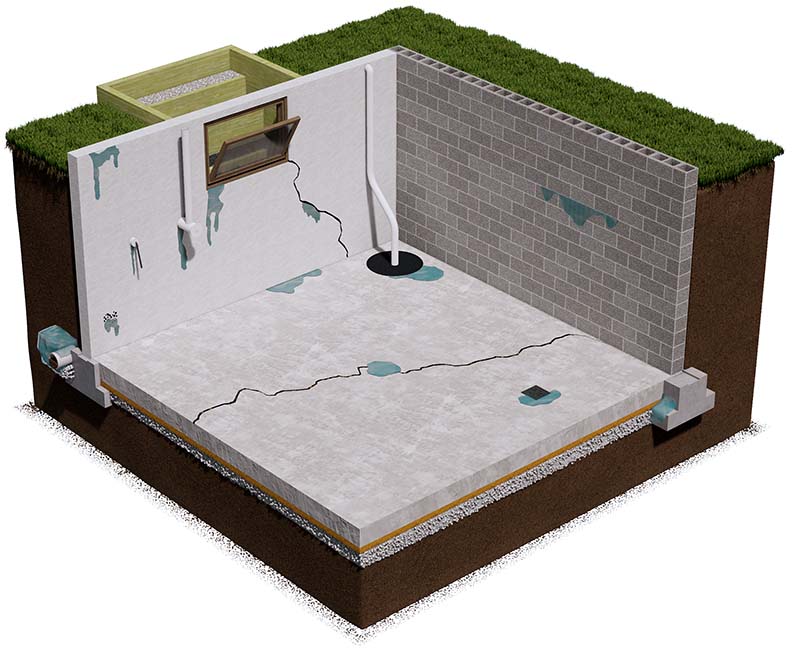
Basement waterproofing is a critical aspect of maintaining the structural integrity and habitability of residential homes. A damp or flooded basement not only poses risks to the building’s foundation but also creates an environment conducive to mold growth and compromises indoor air quality. As technology and construction practices evolve, so do the methods for keeping basements dry and secure. In this article, we delve into the latest advancements in basement waterproofing methods for residential properties.
Traditional Methods vs. Modern Innovations
Traditionally, basement waterproofing often relied on exterior excavation and the application of sealants to prevent water intrusion. While effective to some extent, these methods were labor-intensive, disruptive, and not always long-lasting. Moreover, they addressed symptoms rather than underlying issues, such as poor drainage or foundation cracks.
Modern basement waterproofing techniques take a more comprehensive approach, combining advanced materials, innovative technologies, and expert craftsmanship to deliver durable and reliable solutions. These methods not only prevent water infiltration but also address root causes, ensuring long-term protection for homeowners.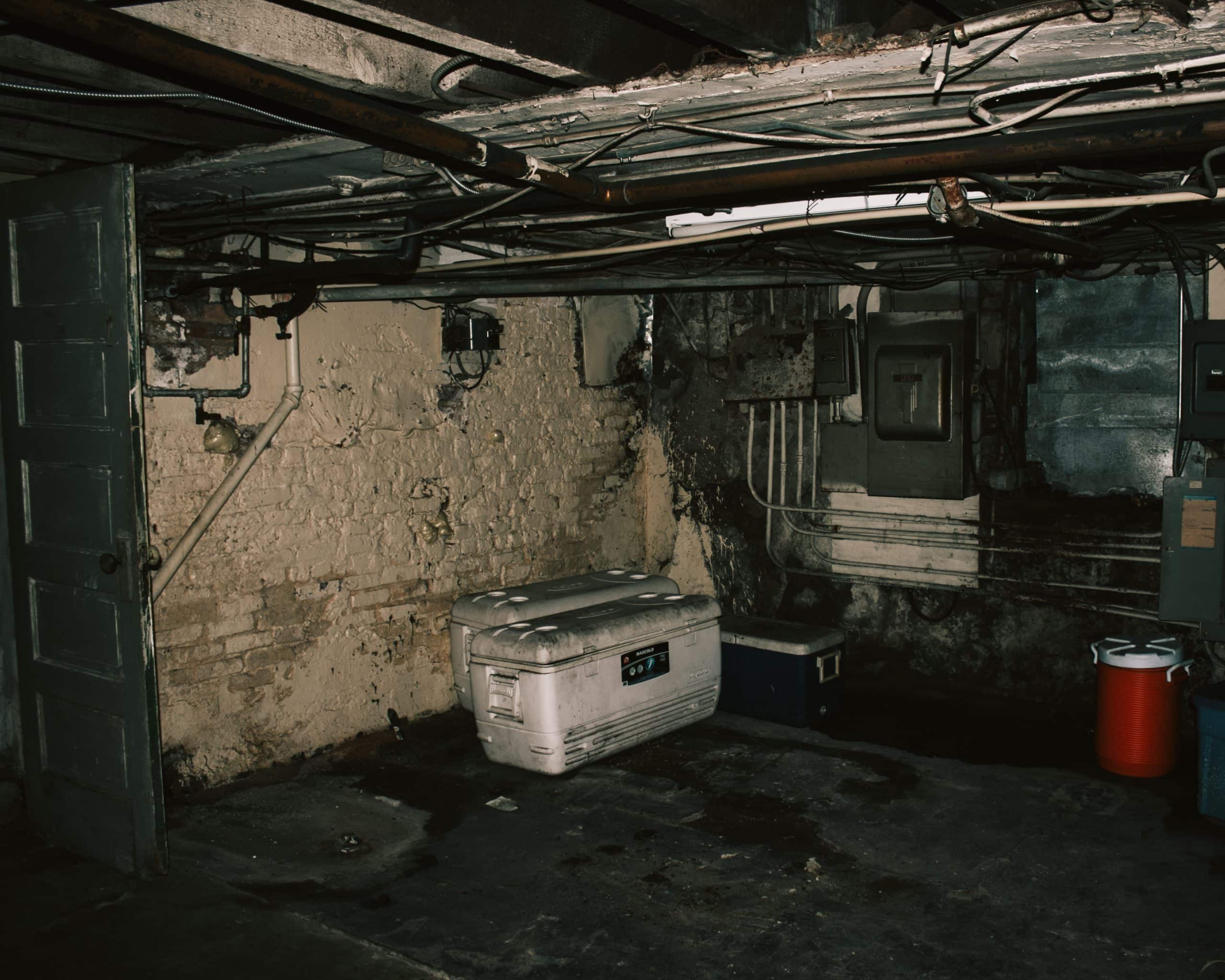
1. Exterior Waterproofing
Exterior waterproofing remains a staple in basement waterproofing, albeit with significant improvements in materials and techniques. This method involves excavating around the perimeter of the foundation to expose the walls, applying waterproof membranes or coatings, installing drainage systems, and backfilling with gravel or soil.
Innovations in exterior waterproofing include the use of rubberized asphalt membranes, which provide superior protection against water penetration and offer flexibility to accommodate foundation movement. Additionally, advanced drainage systems, such as dimple boards and French drains, efficiently channel water away from the foundation, reducing hydrostatic pressure.
2. Interior Waterproofing
Interior waterproofing methods have gained popularity due to their cost-effectiveness and minimal disruption to landscaping. These techniques focus on managing water that has already infiltrated the basement, typically through the installation of drainage systems and moisture barriers on the interior walls.
One of the key advancements in interior waterproofing is the use of interior drainage systems, such as perimeter drains and sump pumps. These systems collect water that seeps through the foundation walls or floor and redirects it to a sump pit, where a pump removes it from the basement. Some modern sump pumps feature battery backup and smart technology for enhanced reliability and monitoring.
3. Crawl Space Encapsulation
Crawl spaces are susceptible to moisture issues, which can permeate through the soil and compromise the structural integrity of the home. Crawl space encapsulation involves sealing the area with a moisture barrier, such as reinforced polyethylene or vapor barriers, to prevent moisture intrusion and mitigate humidity levels.
Advanced crawl space encapsulation systems incorporate insulation, dehumidification, and ventilation components to create a dry and controlled environment. By addressing moisture at its source, homeowners can prevent mold growth, wood rot, and other issues associated with damp crawl spaces.
4. Drainage Improvements
Improper drainage around the home can contribute to basement flooding and water seepage. Modern basement waterproofing methods often include improvements to exterior grading, gutter systems, and downspout extensions to ensure proper water management away from the foundation.
Innovative drainage solutions, such as channel drains and rainwater harvesting systems, provide homeowners with sustainable options for managing stormwater while protecting their basements from water damage. By optimizing surface water runoff, these solutions complement other waterproofing measures and help maintain a dry basement environment.
5. Hybrid Waterproofing Systems

Hybrid waterproofing systems combine elements of both exterior and interior waterproofing methods to provide comprehensive protection against water intrusion. These systems leverage the strengths of each approach to address specific challenges, such as foundation cracks, soil conditions, and landscape constraints.
For example, a hybrid waterproofing system may involve exterior excavation to repair foundation cracks and apply waterproof coatings, coupled with interior drainage systems to manage groundwater and humidity levels. By customizing solutions based on the unique characteristics of each property, homeowners can achieve optimal waterproofing results.
As homeowners increasingly recognize the importance of basement waterproofing in protecting their investment and ensuring a healthy living environment, the demand for advanced waterproofing solutions continues to grow. Modern basement waterproofing methods offer a holistic approach to mitigating water intrusion, addressing both exterior vulnerabilities and interior moisture issues. By embracing innovative materials, technologies, and techniques, homeowners can safeguard their basements against water damage and enjoy peace of mind for years to come. Whether through exterior excavation, interior drainage systems, crawl space encapsulation, drainage improvements, or hybrid waterproofing systems, investing in professional basement waterproofing is a proactive step toward maintaining a dry, secure, and resilient home.
Contact the Professionals at Aquaguard Waterproofing Today! (301) 595-9670

Having started in 1990, we boast expert staff members with collective experience in the industry going strong for over 50 years. We promise our clients superior workmanship and quality in basement waterproofing and foundation repair at budget-friendly prices, capped by a fantastic client experience to ensure your ultimate satisfaction.
We are a local and family-owned business committed to providing top-notch basement waterproofing service and workmanship. We are also actively involved in several non-profit projects for the betterment of our community. In 2020 we celebrated our 30th Anniversary.