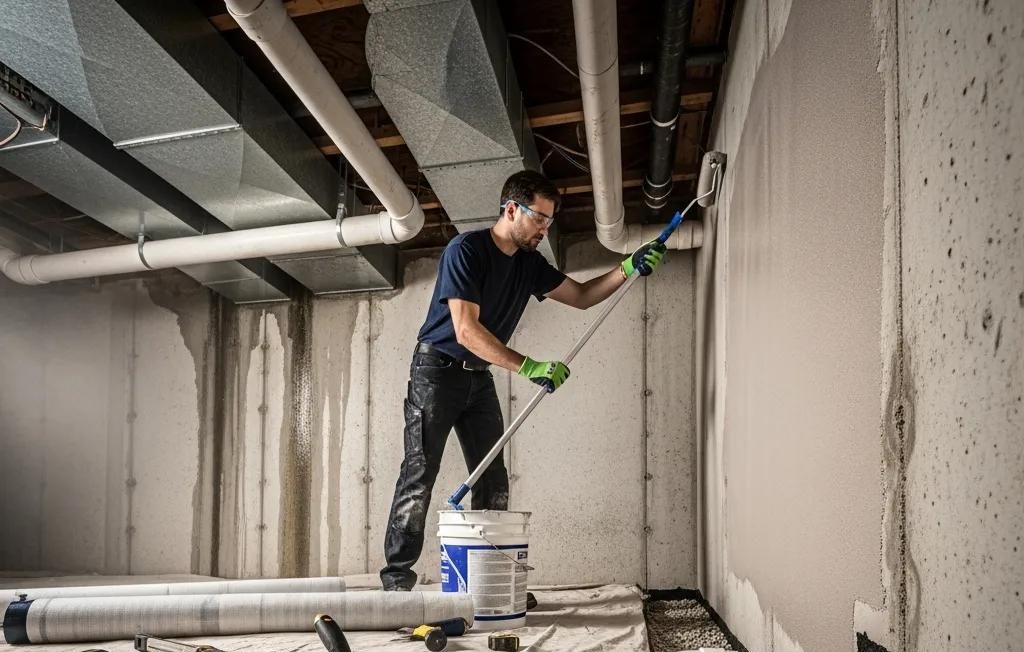
Proper waterproofing prevents water damage, mould growth, and structural deterioration. Homeowners often seek cost-effective methods that protect property while respecting budget constraints. This article examines practical DIY waterproofing approaches that reduce expense without sacrificing protection, and provides a clear framework for planning and executing basic waterproofing tasks. 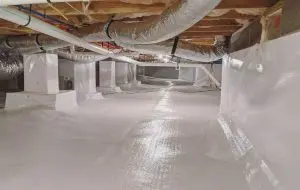 Selecting appropriate materials is essential to project success. Effective options include interior sealants for cracks, exterior membranes for foundation protection, and vapor barriers for moisture control in crawl spaces and basements. Choose materials suited to the specific conditions of the area being treated.
These products deliver durable protection against water intrusion. User feedback commonly cites ease of application and sustained performance when used according to manufacturer instructions.  Some situations require professional intervention. Indicators that you should hire an expert include:
Key Takeaways
- DIY waterproofing prevents water damage, mold growth, and structural issues while saving homeowners money.
- Common water damage signs include stains, mold growth, and musty odors indicating moisture problems.
- Effective DIY materials include interior sealants, exterior membranes, and vapor barriers for moisture control.
- Top waterproofing products like Flex Seal and Drylok offer durable, cost-effective solutions for home projects.
- Budgeting for waterproofing involves costs for sealants, membranes, and tools, with savings possible through bulk buying.
- Professional help is recommended for extensive damage, structural concerns, or persistent mold despite DIY efforts.
- Free inspections can identify waterproofing issues early and guide homeowners on appropriate solutions.
- Regular maintenance and early problem detection are essential to prevent costly water damage escalation.
Common Waterproofing Problems and Solutions
Water damage commonly appears as leaks, dampness, and mould. Early detection enables targeted remediation and limits further harm. Common signs of moisture issues include:- Stains on Walls and Ceilings: Discoloration often indicates leaks from roofs or plumbing.
- Mold Growth: Mold thrives in damp environments, signaling potential water intrusion.
- Musty Odors: Persistent odors can suggest hidden moisture problems.
DIY Waterproofing Materials and Application Techniques
 Selecting appropriate materials is essential to project success. Effective options include interior sealants for cracks, exterior membranes for foundation protection, and vapor barriers for moisture control in crawl spaces and basements. Choose materials suited to the specific conditions of the area being treated.
 - Interior Sealants: These are used to seal cracks and gaps in walls and floors. They are easy to apply and come in several formulations.
- Exterior Waterproofing Membranes: These membranes are applied to the outside of foundations to stop water penetration.
- Vapor Barriers: Installed in crawl spaces or basements, vapor barriers help control moisture levels and reduce damp-related problems.
Which DIY Waterproofing Sealants and Membranes Offer the Best Value?
Evaluating the best sealants and membranes for DIY projects can save you time and money. Here’s a comparison of some top-rated options:| Product | Type | Price | Effectiveness |
|---|---|---|---|
| Flex Seal | Liquid Rubber Sealant | $12.99 | High |
| Drylok | Masonry Waterproofer | $29.99 | Very High |
| Liquid Nails | Heavy Duty Construction Adhesive | $5.99 | Moderate |
Cost Breakdown and Budgeting Tips
Estimating costs helps you plan effectively. Typical expenses include:- Sealants: $10 – $30 per container, depending on the brand and type.
- Membranes: $50 – $200 for rolls, depending on the size and material.
- Tools: Basic tools like brushes and rollers can cost around $20 – $50.
When to Seek Professional Help and How to Use Free Inspections
 Some situations require professional intervention. Indicators that you should hire an expert include:
 - Extensive Water Damage: If the damage is widespread, hiring a professional may be more cost-effective.
- Structural Concerns: Issues affecting the integrity of your home should be addressed by professionals.
- Persistent Mold Problems: If mold persists despite your efforts, professional remediation may be necessary.
Frequently Asked Questions
What are the long-term benefits of DIY waterproofing?
DIY waterproofing reduces immediate water damage and lowers long-term repair expenses. It limits mold development and structural decay, and it can help preserve or increase property value. Consistent maintenance and timely repairs extend the service life of building components, making DIY measures a prudent investment.How can I identify the best waterproofing products for my specific needs?
Product selection depends on the type of water intrusion, the area to be treated, and your budget. Assess the specific problem, review product specifications and comparisons, and consider professional advice or a free inspection for tailored recommendations.Are there eco-friendly waterproofing options available?
Yes. Several manufacturers supply eco-friendly products made from natural or recycled materials and water-based formulations with fewer harmful chemicals. Breathable vapor barriers manage moisture without trapping contaminants. Verify eco-certifications on product labels before purchase.What maintenance is required after applying waterproofing solutions?
Regular maintenance is essential. Schedule inspections for signs of wear, such as cracks or peeling, and address any new water intrusion promptly. Maintain gutters and downspouts, ensure proper site drainage, and monitor for mold. These actions preserve the effectiveness of waterproofing measures.Can I waterproof my basement myself, or should I hire a professional?
Many homeowners can address minor basement leaks with DIY methods. However, for extensive water damage, structural issues, or persistent mold, consult a professional. Evaluate the complexity of the task and your skill level before proceeding.What tools do I need for DIY waterproofing projects?
Essential tools include brushes, rollers, and caulking guns for sealants. A trowel is useful for membranes, and a utility knife helps with cutting materials to size. Use appropriate safety gear such as gloves and masks. Investing in quality tools improves application quality and durability.
Having started in 1990, we boast expert staff members with collective experience in the industry going strong for over 50 years. We promise our clients superior workmanship and quality in basement waterproofing and foundation repair at budget-friendly prices, capped by a fantastic client experience to ensure your ultimate satisfaction.
We are a local and family-owned business committed to providing top-notch basement waterproofing service and workmanship. We are also actively involved in several non-profit projects for the betterment of our community. In 2025 we celebrated 35 years.