


A dry basement is a cornerstone of a healthy home, yet many homeowners grapple with dampness lurking below their feet.
The journey to a watertight basement begins with a solid understanding of basement waterproofing, which not only safeguards your space from water damage but also enhances the overall value of your real estate.
From patching up cracks with the right sealant to installing a robust sump pump, every step is pivotal in ensuring a basement remains bone-dry and free from mold or mildew.
Whether you’re dealing with a wet basement after a heavy rain or just being proactive, there are solutions that fit every need and budget.
Keep reading to navigate the complexities of basement waterproofing and to transform your basement into a secure and comfortable extension of your home.
Understanding the Basics of Basement Waterproofing
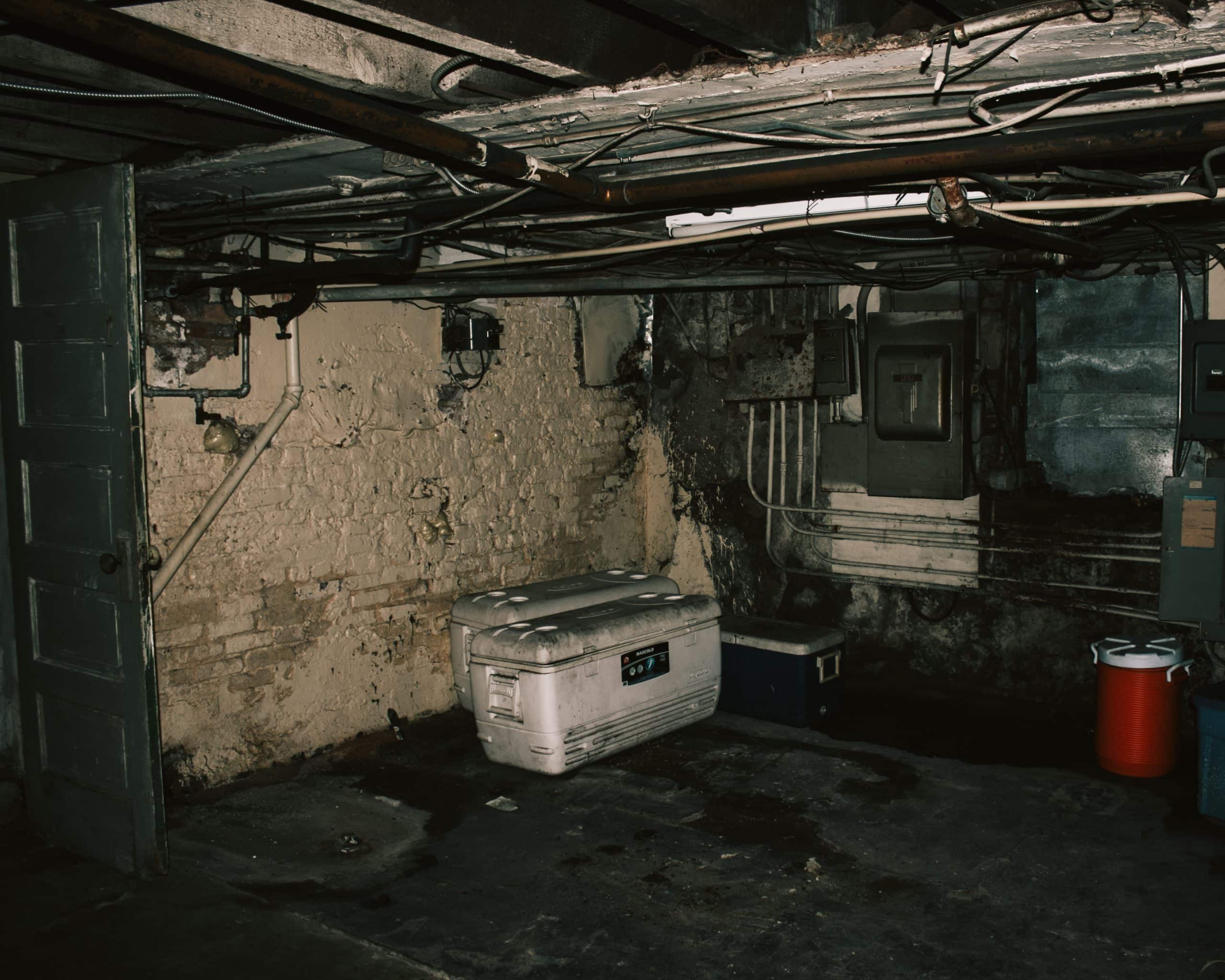
Embarking on the journey of basement waterproofing begins with recognizing the telltale signs of moisture encroachment.
Musty odors, a proliferation of mold, and visible water stains on walls and floors are all indicators that cannot be ignored.
Tackling these issues head-on requires a multi-faceted approach, starting with optimizing drainage: the unsung hero in the fight against a wet basement.
Ensuring water is swiftly channeled away from your foundation is pivotal.
Coupled with this, the installation of a robust vapor barrier forms an impervious shield, safeguarding your basement from the insidious creep of dampness and protecting those treasured spaces from the perils of water damage.
Identifying the Signs of Basement Moisture
Stepping into a basement shouldn’t be accompanied by a damp, earthy scent – that’s a red flag signaling excess moisture. This unwelcome aroma is often partnered with discolored patches on concrete blocks or drywall, hinting at persistent water infiltration needing immediate attention.
Cracks in the foundation are more than mere cosmetic concerns; they act as open invitations for groundwater to seep in and create havoc. It’s crucial to spot these rifts promptly – their presence often precedes more severe issues like efflorescence, where mineral deposits betray rising dampness threatening the structural integrity of your living space.
The Role of Proper Drainage in Waterproofing
Proper drainage stands as the foundation upon which successful basement waterproofing is built. By designing and maintaining an efficient system that channels rainwater away from your home, including well-positioned downspouts and trenches, you prevent water from pooling around the perimeter where it could otherwise penetrate masonry walls or concrete slabs.
An effective French drain setup can be transformative, providing a path of least resistance for water to follow before it overwhelms your basement. When combined with a reliable sump pump, these drainage solutions work in concert to manage water table levels and defend your basement against the threat of flooding.
Importance of Vapor Barriers
Vapor barriers play a pivotal role in the waterproofing arsenal by obstructing the migration of moisture through walls and floors. These impermeable sheets, typically composed of plastic or foil, are meticulously installed to wrap the interior of a basement, ensuring that condensation and water vapor are deflected, preserving the health of the structure and indoor air quality.
Strategic placement and secure adhesion of vapor barriers are essential to maximize their efficacy. By establishing a moisture blockade, these barriers not only stem the tide of incoming dampness but also contribute to a more stable, energy-efficient environment within the home, safeguarding furniture, electronics, and other valuable items from the ravages of unchecked humidity.
Inspecting Your Basement for Common Water Entry Points
A meticulous examination of your basement’s potential breach points stands as a vital step in safeguarding against water damage.
Thoroughly scrutiny of foundation walls for any signs of cracks and leaks is imperative; even the smallest opening can be a conduit for water entry, undermining the integrity of your baseboard and flooring.
Attention must also be directed towards window wells and doorways, as these are common culprits for infiltration.
Furthermore, plumbing should be examined for pipe condensation and leaks, which can cause insidious moisture buildup if left unchecked.
Identifying and addressing these vulnerable areas forms the cornerstone of a robust waterproofing strategy.
Checking for Foundation Cracks and Leaks
Close inspection of your foundation should reveal any unsettling cracks or leaks that could spell trouble. A keen eye will detect even the subtlest fissures that, over time, allow moisture to undermine your concrete block or masonry walls, laying the groundwork for extensive water damage that can impact the entirety of your real estate investment.
Employing a flashlight and a little patience during your search can lead to early identification of problematic leaks, which if addressed promptly, can circumvent the need for expensive and large-scale foundation repair. It’s in these first steps where vigilance pays off, providing peace of mind and a stable, dry basement environment.
Inspecting Window Wells and Doorways
Savvy homeowners remain vigilant to the vulnerabilities that window wells and doorways present in the fight to keep basements dry. A comprehensive examination should include checking for any gaps or weaknesses around window frames and doors, where even a trickle of water can lead to significant problems over time.
Proper sealing around these entry points, employing caulks and sealants specifically designed for wet conditions, can thwart water ingress. Ensuring that window wells have adequate drainage away from the foundation is critical, protecting against a scenario where water becomes a destructive guest, unwelcome in your subterranean spaces.
Identifying Pipe Condensation and Leaks
In the silent beneath, unsuspected enemies such as pipe condensation and leaks can be quietly at work. Unchecked, they deposit moisture into the air and surfaces, leading to humidity issues that spoil indoor air quality and contribute to an unwelcome proliferation of mildew and mold.
A seasoned eye, during regular inspections, will detect droplets or damp spots along pipes indicating possible leakage. Swift action to rectify these issues by resealing joints with epoxy, replacing damaged sections, or insulating pipes can intercept these threats, preserving the basement’s dry sanctity and averting potentially costly crawl space repair.
Choosing the Right Interior Waterproofing Methods
Turning our attention inward, choosing the right interior waterproofing methods is paramount for creating a resilient barrier against moisture.
Concrete waterproofing coatings offer a steadfast solution, providing a durable layer that seals out water effectively.
For those contending with porous concrete, silicate-based sealers penetrate deeply to fortify the material against moisture ingress.
Meanwhile, waterproof paint and acrylic formulas present substantial advantages, delivering an additional moisture-resistant shield suited for various interior spaces.
Each option serves a strategic purpose, and understanding their distinct benefits ensures the selection of an appropriate treatment that aligns with specific basement needs.
Benefits of Concrete Waterproofing Coatings
Concrete waterproofing coatings inspire confidence among homeowners by forming a solid and impenetrable coat over basement walls. These coatings bond to masonry and concrete with exceptional adhesion, creating a barrier that stands undaunted by the pressures exerted by external water sources.
The longevity and durability provided by these coatings translate into long-term savings and less frequent need for repairs. Equally important, they often come with a warranty that speaks to their ability to prevent water infiltration and protect against in-depth moisture damage, giving homeowners extra assurance in their investment.
When to Use Silicate-Based Concrete Sealers
Silicate-based concrete sealers stand out in the realm of interior waterproofing for their ability to penetrate and chemically react with concrete or masonry. They are ideal for unsealed, untreated basement walls where their reactive properties help to densify and harden the substrate, warding off moisture intrusions from the surrounding soil.
Opt for silicate-based sealers when dealing with bare interior concrete blocks or floors that require protection without altering their appearance. These sealers form an invisible, breathable layer that prevents water vapor and surface dampness from compromising the structure’s integrity, thus maintaining the room’s ambient air quality and aesthetic.
Advantages of Waterproofing Paint and Acrylic Formulas
Waterproofing paint and acrylic formulas emerge as a user-friendly option, offering versatility and ease of application that appeal to DIY enthusiasts and professionals alike. These water-resistant coatings work exceptionally well on pre-existing paint layers, allowing for straightforward renewal and reinforcement of interior basement walls while injecting a fresh aesthetic appeal.
The appeal of acrylic-based waterproofers extends to their quick-drying nature and minimal odor, which is especially beneficial in enclosed basement environments. Not only do these solutions protect against moisture, but their resistance to mold and mildew also promotes a healthier living space, free from unwanted allergens and odors.
Exploring Exterior Waterproofing Solutions
Moving beyond the confines of the basement interior, exterior waterproofing stands as a sentinel against the pervasive forces of moisture.
This segment sheds light on meticulous processes and potential expenses associated with exterior solutions that fortify your home’s defenses.
From implementing correct yard grading to avert water away from the foundation to the strategic installation of exterior French drains, each method serves to bolster the overall waterproofing system.
Exploring these crucial steps in comprehensive detail underscores their significance in achieving a thoroughly dry and protected basement environment.
The Process and Costs of Exterior Waterproofing
Exterior basement waterproofing entails an intricate process involving excavation around the home to the foundation’s depth. During this procedure, contractors apply a waterproof membrane to the exterior walls, which might also involve the installation of a protective layer of foam or bentonite clay to absorb and repel ground moisture aggressively. It’s thorough work, demanding precision and adherence to international building codes, making it a task best left to the expertise of seasoned waterproofing companies.
Regarding the budget, exterior basement waterproofing is often a significant investment, influenced by factors such as the scale of the project, the choice of materials, and the specific requirements of the building code. Homeowners should anticipate a higher upfront cost compared to interior methods but can be comforted by the long-term benefits of this more extensive solution, including reduced energy costs and an uplift in real estate value, backed by warranties that underscore the effectiveness of the service.
Importance of Correct Yard Grading
Correct yard grading emerges as a cornerstone of successful exterior basement waterproofing. By ensuring the landscape slopes away from the foundation, one can direct surface water to flow elsewhere, significantly reducing the risk of it infiltrating basement walls and causing moisture issues.
Efficient grading protects the integrity of the basement waterproofing system, acting as the first line of defense against weather-induced water accumulation. Its role is crucial in preventing hydrostatic pressure from building against the foundation, which is a common cause of wet basements and costly damage to the home structure.
Installing Exterior French Drains
Integrating exterior French drains into a waterproofing strategy targets the heart of the problem – controlling groundwater before it breaches the basement walls. This savvy approach involves digging a trench around the home’s perimeter, laying a pipe that diverts water safely away, and backfilling with gravel to ensure optimal water flow and filtration.
The installation of these drains is a strategic defense, proven to mitigate the intrusion of subsurface water by providing a predetermined path for excess moisture to travel. By directing water into a sump pump system or other safe areas away from the foundation, French drains serve as a resilient barrier, maintaining a dry and secure basement arena.
Preventive Measures to Keep Your Basement Dry
Even the most rigorously waterproofed basements require attention to stave off potential water intrusion.
Preventive measures are not merely an option; they are an essential component of an enduring waterproofing strategy.
From diligent upkeep of gutters and downspouts to ensure water is effectively diverted from the property, to the implementation of sump pumps as a dynamic line of defense against rising groundwater, homeowners must embrace regular oversight of these critical systems.
Coupled with routine maintenance checks, these steps are the bedrock of a proactive approach, designed to fortify your living space against moisture and secure the lasting comfort and safety of your basement.
Maintaining Your Gutters and Downspouts
A regular schedule for cleaning gutters and inspecting downspouts is integral to preventing basement moisture issues. When leaves and debris clog these channels, rainwater overflows and saturates the soil surrounding the foundation, setting the stage for potential infiltration into the basement area.
Invigorate your waterproofing efforts by ensuring that downspouts discharge water at least several feet away from the house. This simple yet effective measure drastically minimizes the likelihood of water pooling around the foundation, a common precursor to water-related complications in basements.
The Role of Sump Pumps in Basement Waterproofing

Sump pumps serve as dynamic guardians in the realm of basement waterproofing, offering a potent line of defense against groundwater that could otherwise seep into your sanctuary. These hardworking devices kick into action when water levels rise, efficiently pumping out intrusive water and channeling it away from the foundation to keep basements impeccably dry.
By automatically activating during periods of heavy rain or elevated water tables, sump pumps preclude the peril of basement flooding, ensuring persistent dryness even during the most challenging environmental conditions. Their deployment is a strategic choice that bolsters the overall effectiveness of an integrated waterproofing system, delivering peace of mind with every cycle of operation.
Regular Maintenance Checks and Tips
Embracing a regimen of regular maintenance checks is essential for preserving the effectiveness of your basement’s waterproofing measures. Inspecting the integrity of sealants and the condition of membranes around your foundation can catch potential issues before they develop into significant problems, maintaining the dryness and comfort of your basement space.
Stay alert to the efficiency of your sump pump by testing its operation periodically, ensuring it’s ready to respond when needed. Consult with basement waterproofing professionals for an annual inspection to review your waterproofing system, affirming that your home remains protected against the challenges posed by moisture and water infiltration.

Having started in 1990, we boast expert staff members with collective experience in the industry going strong for over 50 years. We promise our clients superior workmanship and quality in basement waterproofing and foundation repair at budget-friendly prices, capped by a fantastic client experience to ensure your ultimate satisfaction.
We are a local and family-owned business committed to providing top-notch basement waterproofing service and workmanship. We are also actively involved in several non-profit projects for the betterment of our community. In 2020 we celebrated our 30th Anniversary.