

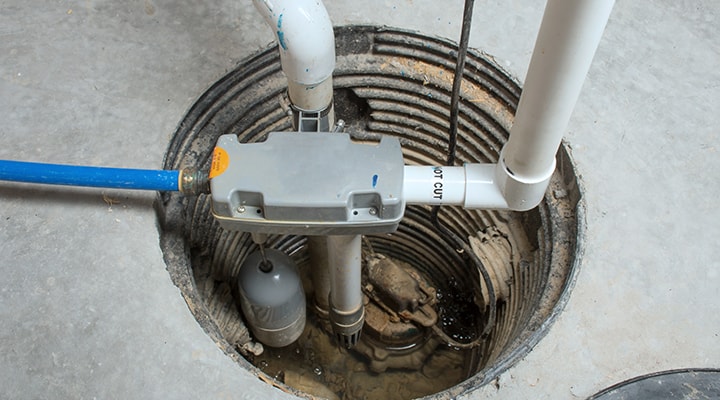
Did you know that a single inch of floodwater can cause over $25,000 in damage to your home? This stark reality places emphasis on the crucial role of sump pump systems in basement and foundation protection. In this concise guide, we’ll delve into how sump pump installation can shield your living space from potentially devastating water damage. Focusing on the merits of a cast iron core, the durability of a submersible pump, and the importance of a well-connected pipe system, we’ll walk you through selecting, installing, and maintaining the right sump pump for your needs. As you engage with this content, you’ll learn how to mitigate common water intrusion issues, ensuring peace of mind even during the heaviest of downpours.
Understanding the Risks of Water Damage in Your Home
Water damage can wreak havoc in homes, not least by targeting areas susceptible to flooding. By understanding the consequences of water penetration in basements, homeowners can anticipate the challenges ahead. From compromised structural integrity to potential health hazards, the effects of unmanaged water are profound. Integrating solutions like sump pumps and french drains into your plumbing system, coupled with strategic heat and pressure management in tanks, can help mitigate these risks. Exploring these topics prepares homeowners to protect their dwellings effectively.
Identifying Areas Prone to Flooding
Homes situated at the base of slopes or in low-lying areas are particularly vulnerable to flooding, as groundwater levels can rise and lead to inundation. When these areas experience overflow, it’s not just clean water that can enter the space but potentially contaminated sewage as well, which poses significant health risks. Implementing a robust sump pump system with the right horsepower can actively redirect this water away, safeguarding the foundation and interior spaces from damage.
A close examination of a home’s basement and utility spaces, like where an elevator shaft might collect water, can reveal key points where water intrusion is likely. Utilizing sump pumps made of durable thermoplastic and designed to handle these specific demands ensures longevity and efficiency in water management. By addressing these susceptibilities, homeowners can better shield their property from the costly and unsafe implications of water damage.
Consequences of Basement Water Intrusion
When water breaches a basement’s defenses, the foundation often suffers significant damage, leading to substantial repair costs. Elevated water table levels force moisture into the concrete, necessitating polyethylene barriers to prevent seepage, alongside sump pump discharge systems to expel water efficiently. Over time, persistent moisture challenges the structural integrity, pushing homeowners to undertake extensive foundation repair and waterproofing measures.
Another dire consequence of basement water intrusion is the rapid growth of mold, which thrives in damp environments. Mold can not only lead to health issues, such as respiratory problems and allergies but also compromises indoor air quality and requires professional remediation. Effective sump pump installation and maintenance become critical to prevent such conditions, ensuring a dry basement and a healthier home atmosphere.
Impact on Structural Integrity and Health
Water’s relentless seepage into the foundational soil of a home can severely weaken structural supports and foster instability. This intrusion, left unchecked, could lead to substantial upheaval, undermining the safety of inhabitants and ultimately leading to costly repairs. Ensuring that your home is equipped with a reliable grinder pump and proper filtration systems will actively prevent soil saturation and preserve the bedrock of your dwelling. Notably, selecting systems with a comprehensive warranty offers homeowners peace of mind, securing not just their investment but also their safety.
Further, the pervasive dampness caused by water intrusion can create an environment ripe for health hazards, the most notorious of which is mold growth. To combat this, installing a dehumidifier in high-risk areas such as basements can drastically reduce moisture levels, curtailing the proliferation of allergens and pathogens. This proactive approach to humidity control, coupled with a robust sump pump system, safeguards not only the structural integrity of the property but also the health of its residents.
How Sump Pump Systems Prevent Water Damage
Sump pump systems serve as a critical line of defense in safeguarding homes against the threat of water damage. They are specifically designed to address effluent and prevent backflow, essential components of residential waterproofing. Sump pump maintenance, crucial for ensuring functionality, along with the proper handling of sediment, makes for a comprehensive water damage prevention strategy. The subsequent sections will delve into the role of sump pumps, the components that comprise an effective system, and a comparison of different types. This will furnish homeowners with the necessary insights to proactively protect their property.
The Role of a Sump Pump in Your Home
A sump pump functions as the heart of a home’s waterproofing system, quietly working to protect the space from water damage. As ground water rises, the sump pump activates, moving water through a discharge line and away from the home’s foundation. A high-quality pump equipped with a reliable control valve ensures that this process runs smoothly, preventing basement flooding and safeguarding valuables and structural elements from the destructive power of uncontrolled water.
In homes with basements, especially those in regions with heavy rainfall or high water tables, a pedestal sump pump can be a vital asset. It stands above the sump pit, making it easier to service, and is adept at handling iron-rich water that could clog other models. This type of pump is designed to kick in as water levels rise, providing homeowners peace of mind and contributing to the longevity of their home’s foundational and structural integrity.
Components of an Effective Sump Pump System
An effective sump pump system hinges on the precision of its float switch, a crucial component that detects water levels and activates the pump when necessary. The durability and efficiency of a stainless steel sump pump, partnered with a sensitive float switch, provide homeowners with a reliable defense against basement flooding. By engaging only as water presence demands, this integrated system not only prevents water damage but also extends the longevity of your septic tank by avoiding unnecessary strain.
A robust sump pump also requires a dependable switch mechanism to ensure seamless operation during critical moments. Homeowners benefit significantly from systems in which the switch is designed to withstand the corrosive properties of water, ensuring consistent performance. The proper functioning of these switches, coupled with the strength of a stainless steel sump pump housing, represents a proactive step towards protecting one’s home from potential water-related disasters.
Different Types of Sump Pumps Explained
Submersible sump pumps, crafted with durable aluminium housings, are designed to be placed directly in the sump pit. They operate quietly, hidden from view and are particularly adept at clearing water mixed with debris, thanks to their robust impeller designs. Homeowners favor these pumps for their efficiency in maintaining dry basements and preventing water damage, ensuring a safeguarded home environment.
Pedestal sump pumps, in contrast, feature a motor that is mounted above the sump, keeping it dry and making maintenance tasks more accessible. Their design is ideal for smaller sump pits where space is at a premium. These pumps offer reliable protection against water damage, with the added benefit of being easier to inspect and repair, thus providing an effective water management solution for conscientious homeowners.
Protecting your home from water damage hinges on installing a reliable sump pump system tailored to your specific needs. Regular maintenance and early detection of wear and tear are essential to keep your basement dry and preserve your investment. Integrating backup systems and alarms can offer added layers of security, ensuring continuous operation during power outages and providing early alerts to potential flooding. By prioritizing these measures, homeowners can safeguard their property against costly water damage and ensure long-term structural integrity.

Having started in 1990, we boast expert staff members with collective experience in the industry going strong for over 50 years. We promise our clients superior workmanship and quality in basement waterproofing and foundation repair at budget-friendly prices, capped by a fantastic client experience to ensure your ultimate satisfaction.
We are a local and family-owned business committed to providing top-notch basement waterproofing service and workmanship. We are also actively involved in several non-profit projects for the betterment of our community. In 2020 we celebrated our 30th Anniversary.