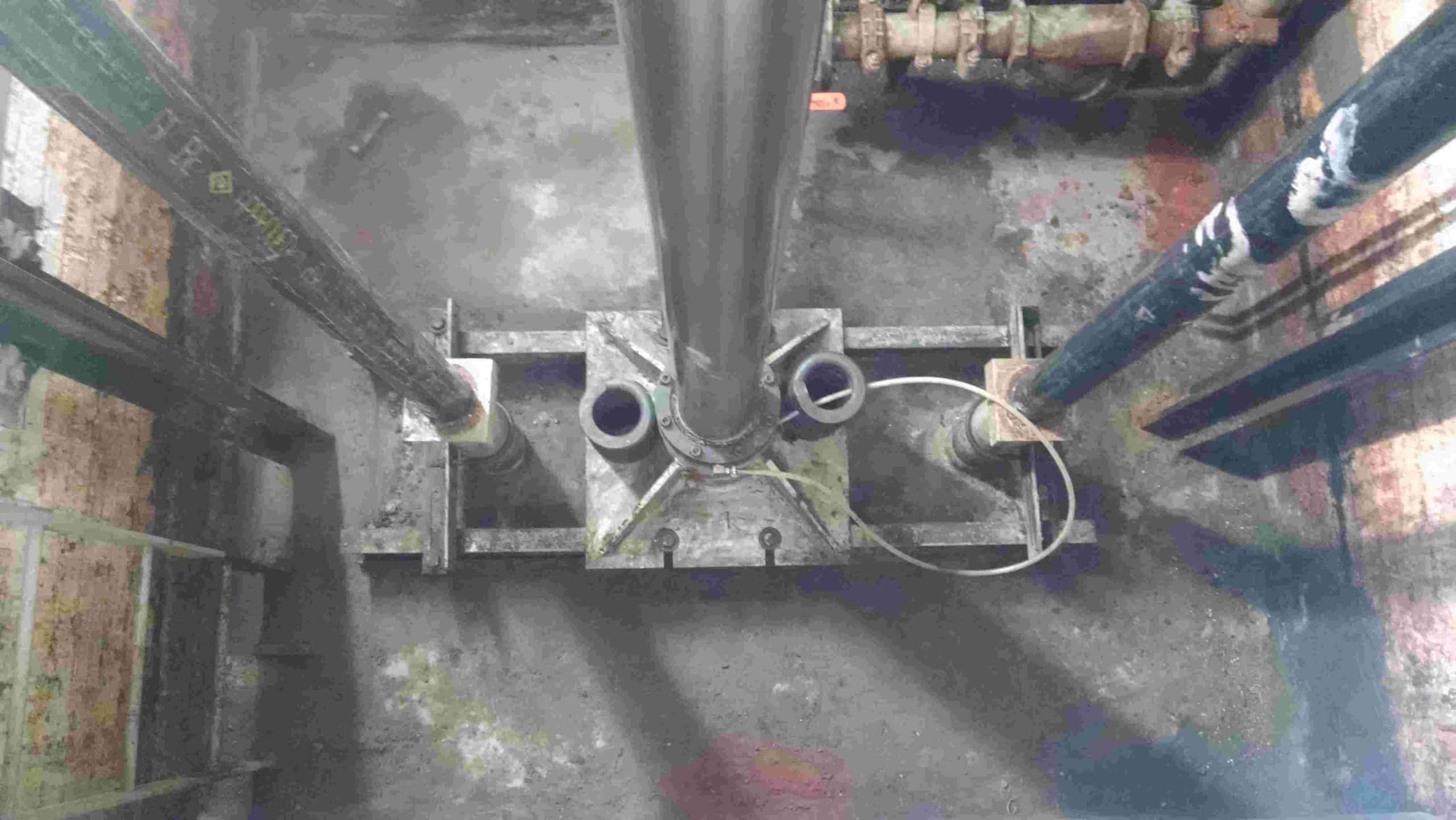
Water damage in elevator pits can lead to costly repairs and downtime. This post delves into the significance of elevator pit waterproofing, the typical reasons for water intrusion, and the most effective methods to prevent it. By selecting the right materials, such as waterproof membranes and foam sealants, and adhering to a rigorous inspection and maintenance schedule, building owners can secure a warranty against water damage. We’ll guide you through the steps for implementing waterproofing in new constructions and retrofitting existing structures. Learn how to protect your investment and avoid the headaches of water damage with our practical advice.
Understanding the Importance of Elevator Pit Waterproofing
Water intrusion in elevator pits poses significant risks, not only to the structural integrity of buildings but also to the safety of its occupants. Addressing these concerns requires a robust approach to waterproofing, which often involves the use of pumps, foundation repair, and basement waterproofing techniques. Applying a reliable sealer and maintaining the masonry are critical steps in preventing water damage and ensuring the longevity of elevator systems. This section delves into the hazards associated with water in elevator pits and the imperative safety measures for building residents.
 Risks Associated With Water in Elevator Pits
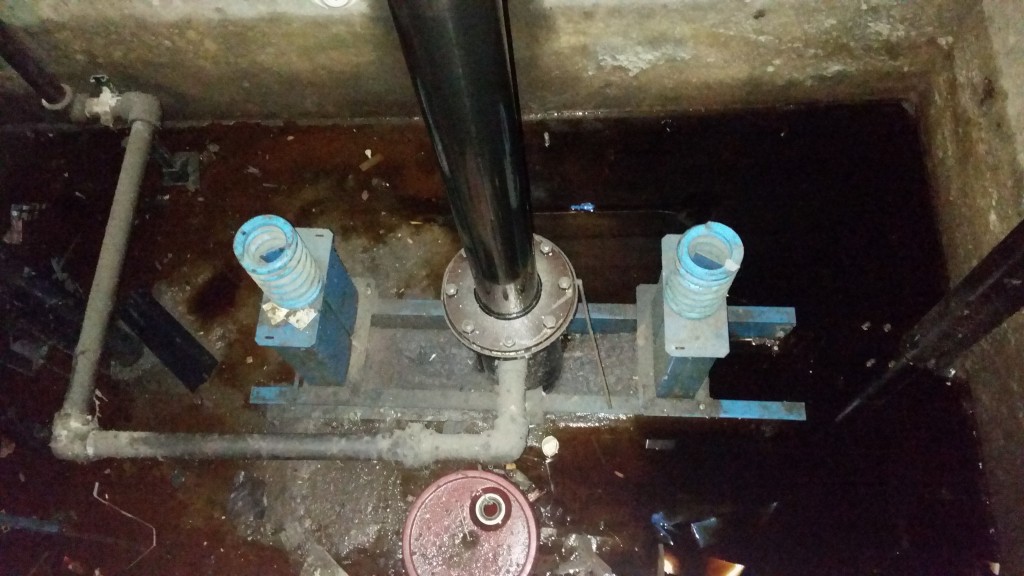
Water accumulation in elevator pits can undermine soil stabilization, leading to a compromised foundation that threatens the entire structure. When water seeps into the pit, it can erode the soil and weaken the support for the elevator’s piston, a critical component for its operation. This not only disrupts the functionality of the elevator system but also poses a risk to the building’s integrity, making it a pressing concern for property managers and building owners.
Moreover, water in elevator pits can lead to other issues such as rust and pollution of the building’s environment. Poor drainage systems may allow water to stagnate, creating a breeding ground for bacteria and causing unpleasant odors to permeate through the building. Additionally, the proximity of water to electrical components under the roof of the elevator pit can result in hazardous conditions, emphasizing the need for effective waterproofing solutions to protect both the property and its occupants.
Safety Concerns for Building Occupants
Ensuring the safety of building occupants starts with addressing the potential hazards of water infiltration in elevator pits. A compromised water table can lead to structural weaknesses, where beams may become susceptible to corrosion, jeopardizing the stability of the entire building. The application of a robust waterproof coating to the cement surfaces within the pit is not just a preventative measure; it’s a critical safety protocol that protects residents from the risks of mechanical failures and structural deterioration.
Water infiltration can also compromise the integrity of elevator components, leading to malfunctions that may trap occupants or cause accidents. By implementing a comprehensive waterproofing strategy, including the use of high-quality coatings and regular maintenance checks, building managers can significantly reduce these risks. This proactive approach not only ensures the durability of the elevator pit but also instills a sense of security among residents, knowing that their well-being is a top priority.
Common Causes of Water Intrusion in Elevator Pits
Identifying the root causes of water intrusion in elevator pits is crucial for maintaining the building envelope’s integrity and ensuring the longevity of elevator systems. Groundwater seepage, often due to a high water table, can infiltrate the pit, necessitating the use of a sump pump for removal. Inadequate drainage systems exacerbate the issue, leading to water accumulation and increased downtime for repairs. Structural cracks and gaps also invite moisture, compromising the building’s durability. Addressing these vulnerabilities is essential for the prevention of water-related damage.
Groundwater Seepage Issues
Groundwater seepage stands as a primary culprit in the battle against moisture in elevator pits, often leading to corrosion and weakening of the structural envelope. This infiltration typically occurs when the surrounding soil’s water table rises, subjecting the basement area to flood risks. To mitigate these issues, it’s essential to implement waterproofing measures that can withstand hydrostatic pressure and prevent moisture from compromising the building’s foundation.
When groundwater levels persistently rise, the relentless pressure can force moisture through even the smallest cracks, exacerbating the risk of flood damage within the elevator pit. This not only accelerates the corrosion of critical components but also threatens the overall integrity of the basement structure. Addressing these seepage issues promptly with appropriate waterproofing solutions is key to maintaining a dry and secure elevator pit, safeguarding the building’s longevity.
Effects of Poor Drainage Systems
Poor drainage systems can exert undue pressure on elevator pit waterproofing measures, leading to a higher likelihood of water intrusion. An ideal solution often involves the installation of a sump pump, which actively manages water levels and prevents accumulation that could otherwise seep through the walls and floor of the pit. Without such a system, standing water can rapidly degrade waterproofing barriers, necessitating frequent and costly repairs.
In addition to mechanical extraction methods like sump pumps, incorporating a vapor barrier into the elevator pit design can significantly mitigate moisture-related issues. This barrier acts as a protective shield, reducing the passage of water vapor through walls and preventing the dampness that can compromise the structural integrity of the elevator shaft. When combined, these strategies form a comprehensive defense against the damaging effects of poor drainage systems.
Impact of Structural Cracks and Gaps
Structural cracks and gaps present a significant risk for water seepage in elevator pits, often leading to extensive water damage if not promptly addressed. A waterproofing company can provide specialized solutions, such as epoxy injections, to seal these vulnerabilities and prevent moisture from penetrating the building’s foundation. This targeted repair not only halts current water ingress but also fortifies the area against future breaches, safeguarding the elevator’s functionality and the building’s structural health.
When water finds its way through cracks and gaps, it undermines the integrity of elevator pits, necessitating swift and effective waterproofing measures. The application of epoxy sealants by a professional waterproofing company can halt this seepage, preserving the elevator machinery from the damaging effects of water exposure. This proactive approach not only prevents costly repairs but also extends the lifespan of the elevator system, ensuring continuous and safe operation for building occupants.
Effective Waterproofing Methods for Elevator Pits
Effective waterproofing of elevator pits is essential for protecting buildings from the damaging effects of groundwater. Applying waterproof membranes and sealants, such as polyurethane-based products, provides a resilient barrier against moisture. For areas prone to water collection, installing sump pumps and drainage solutions is critical to manage and redirect water away from vulnerable structures. Additionally, utilizing crystalline waterproofing techniques can enhance the durability of cementitious materials, preventing mold growth and ensuring long-term protection. Each of these methods plays a vital role in maintaining the structural integrity of elevator pits.
 Applying Waterproof Membranes and Sealants

Applying waterproof membranes and sealants is a critical step in safeguarding the foundation of a building from water damage. These barriers are designed to prevent leaks, ensuring that elevator pits remain dry and structurally sound. For optimal protection, professionals often recommend the use of polyurethane or epoxy-based products that adhere to regulatory compliance standards, providing a durable shield against moisture penetration.
In the context of elevator pit waterproofing, the strategic placement of tile over these membranes can further enhance the system’s resilience. This combination not only fortifies the area against water ingress but also contributes to the overall aesthetic and functional integrity of the space. By addressing the specific needs of a building’s foundation with these waterproofing solutions, property owners can rest assured that their investment is secure from the potential perils of water damage.
Installing Sump Pumps and Drainage Solutions
Installing sump pumps is a proactive measure in elevator pit waterproofing, effectively managing water levels and preventing the accumulation that leads to rust and structural damage. These systems are particularly beneficial in areas where the water table is high, as they actively redirect water away from the elevator pit, ensuring the integrity of both polymer-based waterproofing applications and the building’s foundation.
Drainage solutions complement sump pumps by addressing the flow of water, oil, and other liquids that could compromise the elevator system. By designing a drainage plan that accounts for the specific challenges of a building, professionals can create a robust waterproofing strategy that minimizes the risk of water damage and maintains the elevator’s operation, contributing to the overall durability of the structure.
Utilizing Crystalline Waterproofing Techniques
Crystalline waterproofing techniques involve the application of a specialized grout that reacts with water and unhydrated cement particles to form insoluble crystals. These crystals fill capillary pores and micro-cracks in the concrete, effectively blocking pathways for water and moisture. This method not only prevents water ingress but also protects the steel reinforcements within the concrete from corrosion, ensuring the structural integrity of the elevator pit against soil moisture and evaporation.
Utilizing bentonite, a natural clay, as part of the crystalline waterproofing process offers an additional layer of protection. When bentonite comes into contact with water, it expands, creating a dense, impermeable barrier that integrates with the concrete. This self-sealing property makes it an excellent choice for elevator pits, where soil conditions are variable and water intrusion is a persistent threat. The result is a durable, watertight seal that safeguards the elevator system and the building’s foundation from water-related damage.
Conclusion
Elevator pit waterproofing is a critical measure that safeguards the structural integrity of buildings and the safety of their occupants. By preventing water intrusion, which can lead to soil destabilization and corrosion of critical components, waterproofing ensures the longevity and reliability of elevator systems. Selecting the right materials and integrating waterproofing strategies during both the design and retrofitting phases are essential for maintaining a building’s resilience against moisture. Ultimately, a robust waterproofing plan is indispensable for protecting property investments and providing peace of mind to all building residents.

Having started in 1990, we boast expert staff members with collective experience in the industry going strong for over 50 years. We promise our clients superior workmanship and quality in basement waterproofing and foundation repair at budget-friendly prices, capped by a fantastic client experience to ensure your ultimate satisfaction.
We are a local and family-owned business committed to providing top-notch basement waterproofing service and workmanship. We are also actively involved in several non-profit projects for the betterment of our community. In 2025 we celebrated 35 years.