
An effective crawlspace solution is critical for preserving a home’s structural integrity and indoor air quality. Homeowners often face the dilemma of choosing between crawlspace waterproofing and crawlspace encapsulation. Both approaches aim to prevent excessive moisture—which can cause mold growth, structural decay, and pest infestations—but they work in different ways. This article provides evidence-based information on these methods, defining moisture problems, discussing various solutions, and comparing long-term benefits and drawbacks. By the end, readers will understand how each method works, its benefits, and its limitations, so they can make the best decision for their home.
Transitioning into the specifics, the following sections address issues from identifying crawlspace moisture problems to detailed waterproofing and encapsulation strategies.
Understanding Crawlspace Moisture Problems and Their Impact
Excess moisture in a crawlspace is a common problem that can affect many components of your home. Early signs include damp odors, buckled insulation, efflorescence on concrete, and visible mold growth. A persistent musty smell indicates that organic materials may be decomposing, which can deteriorate floor joists, beams, and support columns.
Identifying Signs of Excess Crawlspace Moisture

Moisture issues are identified through noticeable condensation on pipes or the underside of the subfloor, water pooling on the ground, and even frost during cold months. Signs such as rust on metal components and mold formation—especially when moisture readings exceed 16% on a hygrometer—warn homeowners that preventive measures like waterproofing or encapsulation are needed.
How Crawlspace Moisture Affects Your Home’s Health and Structure
Excess moisture promotes mold growth, releasing spores that harm indoor air quality and can worsen asthma and allergies. Structurally, sustained moisture weakens the foundation by causing wood rot, damaging beams, and attracting pests like termites. Homes with untreated damp crawlspaces are at a higher risk of indoor air quality problems, underscoring the need for remedial action.
The Role of Climate and Geography in Crawlspace Moisture
Local climate and geography influence crawlspace moisture levels. In humid regions or areas with heavy rainfall, damp conditions are common, requiring more robust moisture control strategies. In contrast, arid climates may face issues from groundwater seepage rather than atmospheric moisture. Evaluating local weather, soil composition, and drainage properties is essential to shape long-term maintenance strategies.
Defining Crawlspace Waterproofing: Methods and Goals
Crawlspace waterproofing is a proactive method designed to prevent water from entering a crawlspace. It typically involves drainage systems, sealing cracks, applying waterproof coatings, and sometimes installing sump pump systems. The primary goal is to keep the space dry so that water does not compromise the structure or foster mold growth.
Core Principles of Crawlspace Waterproofing
Waterproofing focuses on water exclusion—preventing leaks, seepage, or condensation from infiltrating the crawlspace. Common techniques include installing a vapor barrier, sealing foundation cracks, and ensuring proper surface grading. Proper waterproofing can reduce moisture levels by up to 40%, prolonging the foundation’s life and preserving structural integrity.
Common Crawlspace Waterproofing Techniques Explained
Key techniques include: 1. Drainage Systems: Perimeter and French drains capture water before it reaches the foundation. 2. Sump Pump Installation: Sump pumps actively remove accumulated water. 3. Vapor Barriers: Heavy-duty plastic sheeting covers floors and walls to stop moisture migration. 4. Sealants and Caulking: Seal gaps, cracks, and joints to minimize water entry. 5. Exterior Waterproofing: Waterproof coatings on exterior foundation surfaces further reduce breaches.
These methods combine to protect the crawlspace from external moisture intrusion.
Benefits and Limitations of Crawlspace Waterproofing
Waterproofing preserves structural integrity, reduces mold and mildew growth, and can improve energy efficiency by lowering humidity in the living areas above. This reduction can decrease heating and cooling costs and minimize long-term maintenance expenses. However, waterproofing may not address internal humidity caused by groundwater vapor or poor ventilation and does not directly improve air quality or temperature regulation within the crawlspace.
Exploring Crawlspace Encapsulation: Process and Advantages
Crawlspace encapsulation seals the crawlspace completely from outside air and moisture. Unlike waterproofing, which mainly deflects water, encapsulation involves covering the entire space with impermeable material and may include insulation and dehumidification systems. This technique creates a controlled environment that stays dry while stabilizing temperature and indoor air quality.
What Crawlspace Encapsulation Entails
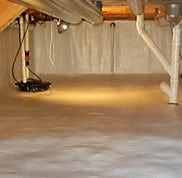
Encapsulation covers all crawlspace surfaces—walls, floors, and sometimes ceilings—with a durable polyethylene barrier that prevents moisture seepage and reduces energy losses. Insulation is added to combat temperature fluctuations and prevent condensation, often complemented by an integrated dehumidifier that maintains low humidity levels.
Key Components of a Crawlspace Encapsulation System
A typical encapsulation system includes: 1. Vapor Barrier: A robust plastic sheet covering floors and walls. 2. Insulation: Applied to walls and subfloors to maintain consistent temperatures. 3. Sealing Materials: High-quality caulk and sealants secure all seams and gaps. 4. Dehumidification Equipment: Dehumidifiers help keep moisture levels low. 5. Access Doors: Specially designed doors allow future inspections or repairs without breaking the seal.
Together, these components create a controlled environment that minimizes moisture-related damage.
Comprehensive Benefits and Considerations of Encapsulation
Encapsulation drastically reduces the ingress of humidity, improving indoor air quality and lowering utility bills through enhanced thermal regulation. It also limits pest infestations by sealing entry points. However, encapsulation has higher upfront costs and, if drainage issues or excessive groundwater are not addressed beforehand, it may trap unwanted moisture. Proper ventilation or an integrated dehumidifier is essential, and the system requires periodic maintenance.
Crawlspace Waterproofing Compared to Encapsulation: Key Distinctions
When comparing these two methods, the key distinction is their primary function. Waterproofing focuses on excluding water from entering the crawlspace, while encapsulation creates a sealed and conditioned environment that manages internal humidity and temperature.
Comparing Primary Functions and Objectives
Waterproofing uses drainage systems and coatings to deflect external water, whereas encapsulation employs vapor barriers and insulation to block and control both external and internal moisture. Encapsulation further improves indoor air quality and energy efficiency.
Differences in Materials and Installation Processes
Waterproofing typically involves permeable membranes, sealants, and drainage systems, while encapsulation uses heavy-duty, impermeable vapor barriers along with professional-grade insulation. The installation of encapsulation is more labor-intensive and requires precise sealing of all surfaces, contributing to higher initial costs.
Long-Term Effectiveness and Maintenance Needs
Waterproofing can be highly effective when paired with proper drainage and regular maintenance but may degrade over time. Encapsulation, though more costly initially, provides a long-term solution with lower ongoing maintenance, as its sealed environment reduces the conditions that lead to mold, wood rot, and pest infestations. However, both methods require periodic inspections to ensure continued effectiveness.
Cost Analysis
Waterproofing generally costs less upfront than encapsulation. However, encapsulation can offer long-term savings through improved energy efficiency and reduced repair costs. The choice depends on the crawlspace’s condition, local environmental factors, and budget considerations.
Below is a summary of key differences:
| Feature | Waterproofing | Encapsulation |
|---|---|---|
| Primary Function | Excludes water from entering | Seals and conditions the crawlspace environment |
| Materials Used | Drainage systems, caulks, waterproof coatings | Vapor barriers, insulation, dehumidifiers |
| Installation Complexity | Moderate | High |
| Upfront Cost | Lower | Higher |
| Long-Term Maintenance | Moderate maintenance and repairs | Lower maintenance once properly installed |
| Energy Efficiency Impact | Minimal improvement | Significant improvement |
| Impact on Indoor Air Quality | Limited | Improved due to reduced moisture and enhanced sealing |
Making the Right Choice: Factors to Guide Your Decision
Choosing between waterproofing and encapsulation depends largely on your crawlspace’s specific conditions and your home improvement goals. Assessing factors such as current moisture levels, structural condition, and budget constraints is critical.
Assessing Your Crawlspace’s Specific Conditions
Begin with a detailed inspection to determine moisture levels, signs of mold, pest infestations, and the condition of insulation and structural components. If significant water pooling or seepage is present, waterproofing may offer immediate relief. If chronic humidity and mold-related issues persist, encapsulation is likely the better solution.
Aligning Solutions With Your Home Improvement Goals
Home improvement priorities differ. Those focused on protecting structural elements and reducing water damage might opt for waterproofing. Homeowners targeting improved energy efficiency, indoor air quality, and long-term moisture control may prefer encapsulation. In some cases, a combination of both methods can provide optimum protection.
When to Choose Each Method
- Waterproofing: Best when the primary issue is external water intrusion from heavy rainfall, poor drainage, or compromised gutters. It offers a cost-effective, targeted solution.
- Encapsulation: Ideal for situations with chronic humidity, mold growth, and poor indoor air quality. Its comprehensive seal and insulation improve energy efficiency and comfort, despite the higher upfront cost.
Considering a Combined Approach
A combined strategy may be most effective in some circumstances. Waterproofing can handle heavy water intrusion, while encapsulation addresses internal humidity. This dual approach is especially useful in regions with unpredictable weather or for homes with a history of water damage.
Preparing for Your Crawlspace Solution: Next Steps
Once you decide on waterproofing, encapsulation, or a combined approach, the next step is to engage a qualified professional to plan and execute the project.
Finding and Selecting a Qualified Crawlspace Professional
Select a contractor with proven expertise in both waterproofing and encapsulation. Look for certifications, customer testimonials, and documented case studies or before-and-after photos. An experienced professional ensures quality workmanship and helps avoid common pitfalls.
Understanding the Crawlspace Inspection and Quoting Process
A thorough crawlspace inspection will assess the foundation’s condition, identify water entry points, and evaluate insulation and ventilation. The contractor should provide a detailed quote with scope of work, material specifications, timelines, warranty details, and post-installation support.
What to Expect During the Project
Be prepared for some temporary disruptions, such as limited access to the crawlspace. The project usually begins with debris removal and preparation, followed by the installation of drainage systems, vapor barriers, insulation, and sealants. For encapsulation, dehumidification units may be installed. Regular updates from your contractor will help ensure the project stays on schedule.
Maintaining Your Crawlspace After Treatment
Regular maintenance is key to long-term success. Schedule annual inspections to check the condition of vapor barriers, insulation, and drainage systems. Promptly address minor issues such as increased odors, moisture buildup, or structural changes to prevent further damage.
Frequently Asked Questions
Q: What is the primary purpose of crawlspace waterproofing? A: It is designed to prevent external water from infiltrating the crawlspace through drainage systems, sealants, and waterproof coatings, keeping the foundation dry and reducing the risk of structural damage and mold growth.
Q: How does crawlspace encapsulation differ from waterproofing? A: Encapsulation creates a sealed environment using vapor barriers, insulation, and dehumidifiers. This method not only prevents water intrusion but also improves indoor air quality and energy efficiency.
Q: What factors should I consider when choosing between these methods? A: Evaluate current humidity levels, evidence of moisture damage, local climate, and long-term insulation needs. External water intrusion issues may be addressed by waterproofing alone; chronic moisture and air quality concerns might require encapsulation or a combination of both.
Q: Are there significant cost differences between the two methods? A: Yes. Waterproofing generally has a lower upfront cost and focuses on immediate water exclusion, while encapsulation requires a higher initial investment but can offer long-term energy savings and lower maintenance costs.
Q: Can both waterproofing and encapsulation be combined effectively? A: In many cases, yes. Combining both methods addresses external and internal moisture issues for maximum crawlspace protection.
Q: How often should I inspect my crawlspace after treatment? A: It is recommended to inspect your crawlspace at least annually to catch early signs of barrier damage, moisture buildup, or pest activity.
Q: Do these methods improve indoor air quality? A: Both methods can help, but encapsulation is particularly effective as it reduces moisture and mold spore transfer from the crawlspace to living areas, leading to a healthier indoor environment.
Final Thoughts
Effective crawlspace moisture management is essential for safeguarding a home’s structure and ensuring healthy indoor air quality. Waterproofing offers a cost-effective means of preventing water intrusion, while encapsulation provides comprehensive moisture control with added benefits of insulation and energy efficiency. Ultimately, the best approach depends on your crawlspace’s unique conditions, and engaging a qualified professional is crucial to securing your home’s future.

Having started in 1990, we boast expert staff members with collective experience in the industry going strong for over 50 years. We promise our clients superior workmanship and quality in basement waterproofing and foundation repair at budget-friendly prices, capped by a fantastic client experience to ensure your ultimate satisfaction.
We are a local and family-owned business committed to providing top-notch basement waterproofing service and workmanship. We are also actively involved in several non-profit projects for the betterment of our community. In 2020 we celebrated our 30th Anniversary.