

When it comes to protecting your home from water damage, a sump pump is a must-have line of defense, especially if your basement is prone to flooding. These savvy devices work tirelessly to redirect excess water, guarding your sanctuary against the chaos that unwelcome moisture can bring.
Being well-informed about the types of sump pumps, how they operate, and the features they offer can save you from the costly aftermath of water damage. Regular maintenance can also prolong the life of your pump, ensuring it operates effectively when you need it most.
Keep reading to dive into the essential knowledge that will help you select, install, and care for the right sump pump for your home.
Understanding the Basics of Sump Pumps

Delving into the heart of your home’s flood control measures, a sump pump is an essential tool designed to prevent water from flooding your basement, safeguarding your sanctuary against costly damage.
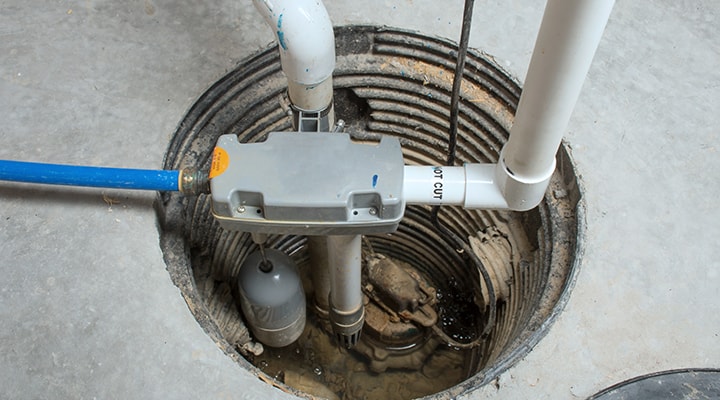
This ingenious device operates by ushering water into a sump pit, where a switch-activated mechanism propels it away from your home through a dedicated discharge pipe.
In exploring the realm of sump pumps, one uncovers two primary variations: the submersible type, which sits entirely within the water, and its counterpart, the pedestal pump, rising above the pit on a stand.
As we dissect a sump pump system, several components emerge as vital to its function; the pump itself, a protective float switch, and the discharge pipe work in concert to maintain a dry and healthy home environment.
The role of the discharge pipe cannot be overstated, as it is the conduit through which unwanted water is expelled from the sump pit, completing the cycle of flood prevention.
What Is a Sump Pump and How Does It Work?
A sump pump, at its core, acts as a tireless sentry against encroaching moisture and potential floods. Nestled in the lowest part of your basement or crawl space, this pump springs into action when water levels rise, triggered by a vigilant float switch, and swiftly transports the fluid out through the discharge pipe, well away from your home’s foundation.
The efficiency of a sump pump’s operation hinges on the accuracy of the float switch and the strength of the motor. As rising water lifts the float, the switch activates the pump’s motor, which then powers a fan-like impeller. This creates a centrifugal force that effectively channels water through the pipe, ensuring your living quarters remain undisturbed and bone dry during heavy rains or melting snow.
Types of Sump Pumps: Submersible vs. Pedestal
When it comes to selecting a sump pump for your home, the decision largely rests on two dominant types: submersible and pedestal. The submersible pump is designed to operate fully submerged in water, making it a quieter, and often more powerful, option ideal for residential use where space is at a premium and noise reduction is valued.
Conversely, a pedestal pump features a motor mounted above the sump, minimizing its exposure to moisture. The design of pedestal pumps aids in heat dissipation and usually extends the pump’s lifespan, providing a cost-efficient solution for homeowners who prioritize longevity and have ample space to accommodate the above-ground motor.
Key Parts of a Sump Pump System
The integrity of a sump pump system is underpinned by a symphony of components that collaborate to protect your home from water damage. Central to this ensemble is the combination of a robust pump motor, capable of withstanding frequent water exposure and the continual demands of water evacuation, and a dependable float switch that responds to rising water levels by kickstarting the pump’s operation.
Integral to the pump’s effectiveness is the check valve, a one-way gate that prevents the backflow of water, ensuring that once expelled from the basement, the water cannot make an unwelcome return. Additionally, the discharge pipe plays a pivotal role, serving as the escape route for water to be directed away from the foundation, completing the sump pump system’s defense against indoor flooding.
The Role of a Discharge Pipe
The discharge pipe is a crucial element in the architecture of a sump pump system, tasked with a single yet critical mission: to escort water out of the sump pit and discharge it a safe distance from the home’s foundation. Without this pathway, the water would have no exit route, rendering the sump pump ineffective at mitigating the risk of basement flooding.
Engineered to resist pressure and wear and tear, these pipes are constructed from materials such as PVC or ABS plastic. They span from the sump pump up to where they expel the water, often outside the home, ensuring it disperses onto the lawn or into the drainage system far from the home, thereby upholding the system’s vigilance against water accumulation.
Selecting the Right Sump Pump for Your Home
Embarking on the journey to find an ideal sump pump demands attention to several critical factors – size, horsepower, features, and brand reputation are all pivotal in shaping the performance and reliability of your flood prevention strategy.
Proper calculation of the necessary size and horsepower ensures your pump is neither overtaxed nor insufficient for your home’s specific needs, while targeted features such as battery backup capabilities and alarms can provide peace of mind and enhanced functionality.
Moreover, opting for a brand that is synonymous with durability and customer satisfaction can make all the difference in achieving long-term protection against water damage.
Calculating the Right Size and Horsepower
Choosing the correct size and horsepower for your sump pump is not a task to take lightly. It requires consideration of the area to be drained and the height the water needs to be lifted, ensuring you’re never caught off guard during a massive downpour or rapid snowmelt.
An undersized pump might struggle with the demand, shortening its lifespan due to overwork, while an oversized pump could cycle too often, reducing its efficiency. Assessing your home’s water volume and elevation specifications will guide you to the sump pump that aligns with your requirements.
Features to Look for in a Sump Pump
Seeking out a sump pump with a reliable battery backup system, such as the Basement Watchdog battery backup or the Zoeller battery backup, can be lifesaving during a power outage or primary pump failure. The inclusion of a backup battery pump ensures continuous operation, providing an extra layer of defense to keep your basement dry in the event of an unexpected emergency.
Another important feature worth considering is a pump equipped with an alarm system, which can notify you, via a dialer or mobile phone alert, of potential issues before they escalate. Opting for models with home automation capabilities allows you to monitor your sump pump remotely, granting you the assurance that your home is protected even when you’re away.
The Importance of Choosing a Reliable Brand
Selecting a sump pump from a reputable brand can be the difference between a flooded basement and a dry one. Brands that have stood the test of time in the manufacturing arena often bring to the table not only quality pumps but also invaluable customer support, taking the worry out of maintenance and troubleshooting.
A reliable brand typically offers a solid warranty, reflecting confidence in their product and its ability to withstand the rigors of pump duty. When you invest in a well-regarded brand, you’re not just buying a pump; you’re securing a partnership that prioritizes the long-term safety and dryness of your home.
Installation Tips for Homeowners
Ready to fortify your home against water intrusion with a sump pump? Whether tackling the task yourself or preparing for a professional installation, understanding the process is key.
We’re diving straight into the nuts and bolts of setting up your sump pump, starting with a step-by-step guide that will illuminate every phase of the installation. From gathering the necessary tools and materials to ensuring proper placement of your sump basin, these insights will help you lay the groundwork for a robust flood control system. By adhering to these tips, your sump pump will stand as a bulwark against moisture, safeguarding the sanctity and dryness of your home.
Step-by-Step Guide to Installing a Sump Pump
Commencing sump pump installation, the initial move involves identifying the lowest point in your basement where water accumulates, marking the spot for your sump pit. Carefully excavating a hole to accommodate the basin ensures your pump has a precise, snug fit, critical for effectively handling the water influx.
Once the basin settles into its new home, link the pump to the discharge pipe, securing it with robust fittings to prevent leaks. Install a check valve to thwart any backward journey of water, guaranteeing that what’s pumped out doesn’t stage a return, keeping your basement safeguarded against unforeseen flooding.
Necessary Tools and Materials for Installation
Embarking on a sump pump installation demands a well-prepared toolbox. You’ll need a selection of hand tools, including a shovel for the sump basin excavation, a drill with concrete bits for the basin anchoring, and a hacksaw or PVC cutter to size your discharge pipes immaculately.
Gathering materials is just as crucial, requiring precise PVC piping for the discharge, a reliable sump basin, and potentially a sump pump stand or bricks to elevate your pump off the pit’s bottom. High-quality sealant and reliable couplings are essential for securing connections, ensuring your installation is watertight and resilient.
Tips for Proper Sump Basin Placement
Securing the correct location for your sump basin is a pivotal first step in the installation, nuanced by the need for a precise position that harmonizes with the interior landscape of your basement and the external drainage conditions. An ideal placement ensures the basin captures optimally the influx of water, without clashing with existing plumbing lines or structural elements of your home.
Consider the basin’s accessibility for routine maintenance and the potential need for a pump upgrade or replacement down the line. Ensure that there is enough room around the perimeter for inspecting and servicing the pump, which underscores the importance of thoughtful placement beyond the immediate stance against water intrusion.
Maintenance and Troubleshooting Your Sump Pump
Nurturing your home’s flood control sentinel, a well-functioning sump pump is critical for ensuring lasting protection against water damage. Just as you might schedule regular service for your vehicle to preempt mechanical troubles, establishing a routine maintenance plan for your sump pump is paramount.
Recognizing common glitches that might plague the pump, from a stuck float switch to a power supply hiccup, empowers homeowners to rectify issues swiftly to prevent sump pump failure.
Nonetheless, certain complications warrant the seasoned touch of a professional. Distinguishing between these scenarios means balancing confidence with prudence in the quest to sustain your basement’s dry state.
Regular Maintenance Schedule for Sump Pumps
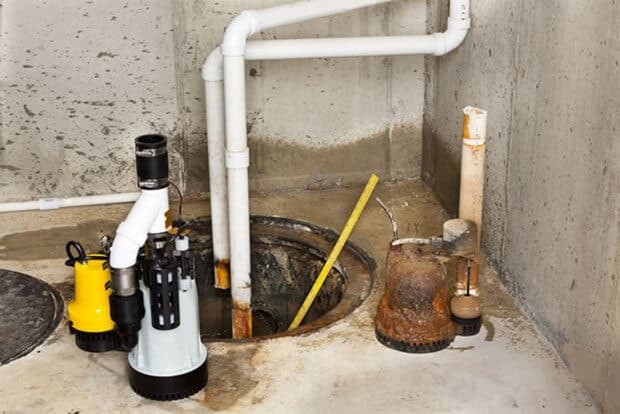
Establishing a consistent maintenance routine for your sump pump is critical, as it ensures the system remains reliable when you need it most. A quarterly inspection is recommended, which should include checking the operation of the float switch, verifying that the discharge pipe is free of obstructions, and ensuring the pump is clean and free from debris.
Annual servicing is also crucial, where more comprehensive checks are performed; this involves testing the backup battery, examining the state of the pump’s components for signs of wear, and replacing the backup pump battery if necessary. Taking these preventive measures can significantly prolong the lifespan of your sump pump and reduce the likelihood of unexpected failures.
Common Sump Pump Problems and How to Fix Them
A common issue confronting sump pump owners is the possibility of a jammed or faulty float switch. When a float switch is hindered by debris or is stuck, it fails to trigger the pump, leaving your basement vulnerable to flooding. Remedying this involves clearing away any obstructions and ensuring the float moves freely, thus reinstating the pump’s responsiveness to rising water.
Another frequent trouble spot is a sump pump experiencing intermittent or no power, which may be due to a tripped circuit breaker or a blown fuse. Securely reconnecting the power cord, checking the electrical wiring for any faults, resetting the circuit breaker, or replacing the fuse can swiftly restore power, safeguarding the seamless operation of the pump even during heavy rainfall or swiftly melting snow.
When to Call a Professional for Repairs
There are moments when the complexity of a sump pump issue surpasses the comfort zone of even the most skilled DIY enthusiasts, signaling the time to engage a professional. Particularly when faced with persistent issues like a motor that hums but doesn’t run or a backup system that fails to kick in, the expertise of a skilled technician can be invaluable.
Highly technical problems, such as those involving the grinder pump, intricate plumbing connections, or issues with the backup sump battery requiring specialized knowledge about voltage and electrical systems, are best handled by professionals. Enlisting expert help not only safeguards against further damage that could lead to expensive repairs but also ensures the long-term efficiency and safety of your home’s flood control system.

Having started in 1990, we boast expert staff members with collective experience in the industry going strong for over 50 years. We promise our clients superior workmanship and quality in basement waterproofing and foundation repair at budget-friendly prices, capped by a fantastic client experience to ensure your ultimate satisfaction.
We are a local and family-owned business committed to providing top-notch basement waterproofing service and workmanship. We are also actively involved in several non-profit projects for the betterment of our community. In 2020 we celebrated our 30th Anniversary.