

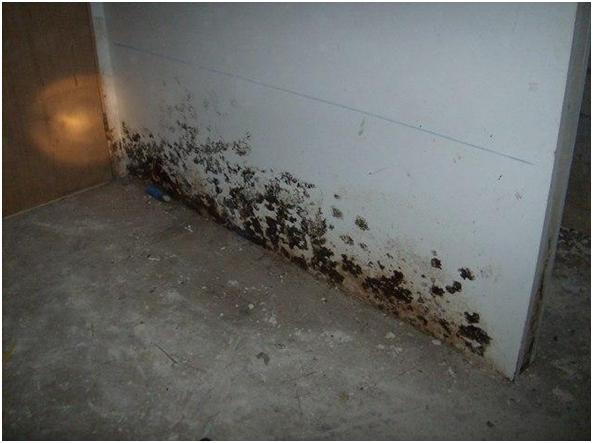
Basements are an often-overlooked part of a home that significantly influences property value. Hidden moisture can cause minor cosmetic issues to severe structural damage and indoor air quality concerns. Signs like musty odors, peeling paint, and efflorescence on walls may indicate underlying problems that compromise health and safety. This guide reviews the causes and signs of hidden moisture, its impact on home value and health, and offers practical prevention, inspection, and waterproofing solutions to safeguard your investment.
What Causes Hidden Moisture in Your Basement?
Hidden moisture is usually caused by condensation, plumbing or foundation leaks, poor drainage, and groundwater seepage. Warm, humid air contacting cool basement surfaces reaches its dew point, forming droplets that accumulate over time—especially in poorly insulated or ventilated areas. Leaks from aging pipes or cracked foundations, along with clogged gutters and improper grading, allow water to pool near the foundation. In areas with high water tables, groundwater can seep through walls and degrade concrete and brick. Recognizing each cause is critical for long-term remediation.
What Are the Common Signs of Moisture in Your Basement?
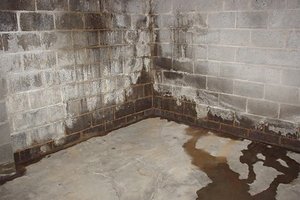
Moisture signs include a persistent musty odor from decaying organic material and visible mold in corners or on surfaces. Water stains and efflorescence—a white, powdery crystalline deposit left after water evaporation—often appear on walls and floors. Peeling or bubbling paint, warped wood, damaged drywall, and cracked plaster also suggest excessive moisture. These indicators, even if subtle, signal potential structural damage and prompt the need for early intervention.
How Does Condensation Lead to Basement Moisture?
Condensation occurs when warm, humid air contacts cold basement surfaces, forming water droplets that accumulate and run in streams. In enclosed spaces with poor ventilation and little insulation, repeated condensation cycles raise humidity and promote mold and mildew growth. Controlling humidity and air circulation is key to preventing this cycle.
Can Plumbing or Foundation Leaks Cause Hidden Moisture?
Even minor leaks from pipes or cracks in the foundation can introduce moisture gradually. Because the water may seep into drywall and insulation without pooling visibly, such leaks are easy to overlook. Over time, consistent leakage not only raises humidity but also weakens structural materials and encourages mold growth. Regular inspection of plumbing systems and foundation integrity is essential.
What Role Does Poor Drainage Play in Basement Moisture?
When gutters, downspouts, and drainage systems fail or are improperly installed, water collects around the home’s foundation. Clogged systems and improper yard grading create hydrostatic pressure, forcing water through porous concrete or cracks. This external pressure increases basement humidity and can result in chronic damp conditions. Ensuring proper drainage is therefore critical.
How Does Groundwater Seepage Affect Basement Moisture?
In regions with high water tables or after heavy rains, groundwater accumulates around the foundation, exerting pressure that forces water through even small cracks. This seepage gradually saturates walls and floors, weakening structure and promoting mold growth. Effective waterproofing measures, such as sump pumps and proper external drainage, help combat this issue.
Visible mold is a serious sign of hidden moisture. Mold growth not only damages aesthetics but also compromises structural integrity and indoor air quality. Its appearance—often accompanied by a musty odor—indicates conditions ideal for microbial proliferation. As mold can penetrate porous materials, complete removal is challenging and the presence of mold may lower market value. Immediate action is needed to address moisture sources and remediate mold.
Musty odors signal the decay of organic material in damp conditions and are released as volatile organic compounds (VOCs). These persistent smells, which intensify in high humidity or after rain, serve as early indicators of hidden moisture. They also point to potential health hazards like respiratory discomfort or allergies, urging further professional inspection.
Beyond being unsightly, visible mold signals high moisture levels that support its growth. Its presence on walls, ceilings, or floors points to long-term moisture intrusion—whether from condensation, leaks, or groundwater seepage—and suggests the need for immediate remediation to avoid expensive repairs and value loss.
How to Recognize Water Stains and Efflorescence?
Water stains are dark patches caused by seepage and evaporation, while efflorescence appears as a white, powdery deposit on concrete, brick, or stone. Both are clear indications of recurring moisture problems and potential structural issues. Early detection through these visual cues allows for timely waterproofing interventions.
Peeling or bubbling paint occurs when moisture weakens the bond between decorative paint and the surface. This deterioration not only affects appearance but also exposes underlying materials to further damage and mold growth. Repainting without addressing the source will result in recurring issues, making moisture control essential.
How Does Basement Moisture Affect Your Home’s Value?
Basement moisture can lower a home’s value by accelerating material deterioration, increasing repair costs, and reducing curb appeal. Persistent dampness may necessitate extensive repairs such as foundation stabilization and mold remediation. Buyers view homes with moisture history as risky investments and often negotiate lower prices. Additionally, the visible presence of mold or water damage deters buyers and can lead to a lower appraisal.
In What Ways Does Structural Damage Lower Property Value?
Structural damage from chronic moisture compromises a home’s foundation and critical systems, leading to expensive repairs. Visible cracks and deterioration signal future liabilities to buyers, resulting in lower appraisal values and potential price reductions. Swift remediation is therefore crucial to maintain property value.
Mold growth not only detracts from aesthetics but also raises health concerns. Buyers tend to avoid properties with active mold problems due to potential remediation costs and health risks. Effective mold removal improves market appeal and can help preserve the home’s value.
Excess moisture creates conditions favorable for mold and mildew, which can trigger allergies, respiratory problems, and other health issues. These hazards not only affect residents’ wellbeing but also cause insurance issues and lower buyer confidence, ultimately reducing property value.
How Do Repair Costs and Curb Appeal Relate to Moisture Damage?
Homes with moisture damage often require significant repair work, which can lower the sale price during negotiations. Beyond the repair costs, moisture-affected areas reduce curb appeal and signal poor maintenance, both of which negatively influence buyer perceptions and overall market value.
What Health Risks Are Associated With Basement Moisture?
Basement moisture fosters mold, mildew, and bacteria that can lead to respiratory distress, chronic sinus issues, and asthma. Inhalation of mold spores and VOCs degrades indoor air quality and poses long-term health risks. Vulnerable individuals may experience heightened symptoms, making moisture control vital for maintaining a healthy living environment.
How Can Mold Exposure Cause Allergies and Respiratory Issues?
Mold spores trigger allergic reactions and respiratory problems such as coughing, wheezing, and nasal congestion. For those with pre-existing conditions like asthma, even low levels of mold exposure may worsen symptoms. Controlling moisture is essential to minimize these health risks.
Damp conditions increase the frequency and severity of asthma attacks and other respiratory issues by promoting mold growth and trapping airborne irritants. This can lead to chronic respiratory impairment and additional medical interventions, further reducing the desirability and value of a home.
Addressing basement moisture promptly prevents prolonged exposure to mold and bacteria, reducing the risk of serious health issues. Early remediation improves indoor air quality and helps protect vulnerable family members, while also avoiding costly structural repairs down the line.
How Is Basement Moisture Inspected and Detected?
Inspection of basement moisture typically begins with a visual assessment for stains, peeling paint, and mold. Professionals then use moisture meters to measure water content in materials and infrared thermal imaging to detect temperature variations that indicate damp areas. In cases of suspected mold, laboratory testing may be recommended. This multi-step approach ensures accurate detection and appropriate remediation strategies.
What Happens During a Visual Basement Inspection?
During a visual inspection, professionals examine walls, floors, and ceilings for signs of water damage, including stains, efflorescence, and visible mold. They also check foundation cracks and other structural vulnerabilities. This initial assessment guides the use of further diagnostic tools.
Moisture meters measure the water content in building materials by detecting changes in electrical resistance. They help pinpoint hidden damp areas that are not visible to the naked eye, thereby informing effective remediation strategies.
Infrared thermal imaging identifies cooler areas on basement surfaces that may indicate moisture accumulation. By converting temperature differences into color-coded images, inspectors can locate hidden damp spots and potential sources of leaks with precision.
Mold testing is advised when visual cues and moisture meter readings suggest microbial growth. Samples collected from affected areas are analyzed in a laboratory to determine the type and concentration of mold, providing further insight into the necessary remediation measures.
What Basement Waterproofing Solutions Can Protect Your Home?
Effective waterproofing protects a home against moisture damage and preserves its value. Solutions include interior measures such as applying epoxy coatings, sealants, and vapor barriers, often supplemented by dehumidifiers to control indoor humidity. Exterior solutions focus on keeping water away from the foundation by using waterproof membranes, French drains, and sump pumps. Combining interior and exterior methods provides robust long-term protection.
How Does Interior Waterproofing Prevent Moisture?
Interior waterproofing creates a barrier on basement walls and floors using high-quality sealants, epoxy coatings, and vapor barriers. These methods block water intrusion and reduce condensation, while dehumidifiers and improved ventilation help maintain a dry environment.
What Are Exterior Waterproofing Techniques?
Exterior techniques stop water before it reaches the foundation. Common methods include applying waterproof membranes and coatings, excavating around the foundation to install compounds, and integrating drainage systems like French drains. These methods effectively reduce hydrostatic pressure and prevent moisture penetration.
How Do French Drains and Sump Pumps Work?
French drains, composed of gravel-filled trenches with perforated pipes, collect and redirect water away from the foundation. A sump pump in a sump pit then removes the accumulated water, relieving pressure and keeping the basement dry. Together, they form an integrated system critical for moisture management.
When Should You Consider Professional Waterproofing Services?
Professional services are recommended when moisture issues are extensive or recurring. Experts use specialized tools to diagnose the problem and implement a tailored combination of interior and exterior waterproofing methods, ensuring lasting protection and cost savings over time.
How Much Does It Cost to Repair Basement Moisture Damage?
Repair costs vary widely depending on the damage severity and chosen methods. Expenses can range from a few hundred dollars for minor fixes like repainting and mold treatment to over $10,000 for major repairs such as foundation stabilization and full waterproofing. Insurance coverage may vary, so obtaining detailed cost estimates and multiple professional opinions is advisable.
What Factors Affect the Cost of Basement Moisture Repair?
Key factors include the extent of damage, the underlying cause (e.g., condensation, leaks, groundwater), local service rates, and the decision between DIY versus professional repairs. Comprehensive solutions that combine interior and exterior waterproofing typically incur higher costs but provide long-term benefits.
What Are the Average Costs for Mold Remediation and Waterproofing?
Mold remediation generally ranges from $500 to $6,000, while waterproofing measures can cost between $3,000 and $15,000. These investments help prevent ongoing structural damage and health risks associated with moisture issues, ultimately preserving the home’s value.
How Can Homeowners Prevent Hidden Moisture in Their Basements?
Preventing hidden moisture involves both immediate control and long-term maintenance. Adequate ventilation and dehumidification help reduce internal humidity, while clean, well-maintained gutters, downspouts, and proper landscaping prevent water from accumulating around the foundation. Regular inspections also play a crucial role in early detection and prevention.
What Are Effective Ventilation and Drainage Tips?
Effective ventilation can be achieved through exhaust fans, additional vents, or upgraded dehumidifiers. For drainage, keep gutters and downspouts clear, use extensions to direct water away, and install a sump pump for backup water removal. These measures collectively maintain low humidity and prevent water from pooling near the home.
How Do Gutters, Downspouts, and Grading Help Prevent Moisture?

Gutters capture roof water and channel it into downspouts, which discharge water several feet from the house. Proper yard grading ensures water flows away from the foundation. Together, these elements form a robust system that minimizes the pathways for water to enter the basement.
Why Are Regular Inspections Important for Moisture Prevention?
Annual inspections can detect early signs of moisture, such as subtle stains or small cracks. Professionals can then recommend repairs or upgrades to drainage and waterproofing systems before minor issues become major, helping to maintain both structural integrity and home value.
How to Choose a Qualified Home Inspector for Basement Moisture?
Select inspectors with expertise in water damage and moisture issues, preferably certified by recognized organizations. Reviews and a proven track record of effective inspections are key. A skilled inspector will accurately diagnose hidden moisture problems and propose the most effective remediation strategies.
Moisture Detection Methods Comparison
Before exploring preventative measures further, consider the following table summarizing common moisture detection methods:
Method | Key Tool/Attribute | Benefit | Typical Use Case |
|---|---|---|---|
Visual Inspection | Observation | Identifies visible signs of damage | Initial assessment of walls and foundation |
Moisture Meters | Electrical resistance | Quantifies moisture levels | Detecting hidden damp areas |
Infrared Thermal Imaging | Temperature variance | Maps moisture distribution | Revealing hidden water intrusion |
Mold Testing | Laboratory analysis | Determines mold type and severity | Confirming health risks |
Humidity Sensors | Digital hygrometer | Measures indoor air quality | Ongoing monitoring |
Waterproofing Solutions and Their Costs
Below is a comparative table outlining common waterproofing solutions with their benefits and estimated cost ranges:
Technique | Method Description | Benefit | Cost Range (USD) |
|---|---|---|---|
Interior Waterproofing | Epoxy coatings, sealants, vapor barriers | Prevents indoor moisture intrusion | $1,000 – $5,000 |
Exterior Waterproofing | Waterproof membranes, exterior sealants | Blocks water from reaching foundation | $3,000 – $15,000 |
French Drains | Gravel-filled trench with perforated pipe | Redirects surplus water | $2,000 – $10,000 |
Sump Pump Installation | Active water removal system | Eliminates collected water | $1,000 – $3,000 |
Combined Solutions (Professional) | Integrated interior/exterior approach | Comprehensive moisture control | $5,000 – $20,000 |
Final Thoughts
Hidden basement moisture poses significant risks to both a home’s structural integrity and its market value, as well as residents’ health. Early signs such as musty odors, water stains, and peeling paint should prompt immediate inspection and remediation. By understanding the causes—from condensation and leaks to poor drainage—and implementing effective inspection and waterproofing strategies, homeowners can protect their investment and ensure a safer, healthier living environment. Regular maintenance and professional assessments are key to long-term moisture control.

Having started in 1990, we boast expert staff members with collective experience in the industry going strong for over 50 years. We promise our clients superior workmanship and quality in basement waterproofing and foundation repair at budget-friendly prices, capped by a fantastic client experience to ensure your ultimate satisfaction.
We are a local and family-owned business committed to providing top-notch basement waterproofing service and workmanship. We are also actively involved in several non-profit projects for the betterment of our community. In 2020 we celebrated our 30th Anniversary.