


Foundation cracks and basement water leaks are common issues that homeowners face, often leading to significant structural damage and costly repairs if not addressed promptly. Understanding the connection between these problems is crucial for maintaining a safe and dry home environment.
The Causes of Foundation Cracks
Foundation cracks can develop for a variety of reasons, each affecting the structural integrity of a home in different ways. Understanding these causes can help homeowners take preventive measures and address potential issues before they become severe.
1. Soil Movement and Settlement
One of the most common causes of foundation cracks is the movement and settling of the soil beneath a home. This can occur due to several factors:
Natural Soil Settling: Over time, soil naturally compacts under the weight of a structure, leading to gradual movement. While minor settlement is normal, excessive shifting can create stress on the foundation and lead to cracking.
- Poor Soil Compaction: If the soil was not adequately compacted during construction, it can settle unevenly over time, causing parts of the foundation to sink or shift, leading to cracks.
- Expansive Clay Soils: Certain types of soil, such as clay, expand when wet and shrink when dry. This constant expansion and contraction exert pressure on the foundation, increasing the risk of cracks.
- Erosion: Heavy rains, improper drainage, or nearby underground water flow can erode the soil beneath the foundation, causing voids that result in settlement and cracking.
2. Hydrostatic Pressure
Water accumulation in the soil surrounding a foundation can exert hydrostatic pressure against the foundation walls. This is particularly problematic in areas with poor drainage or high groundwater levels. The effects of hydrostatic pressure include:
- Water Seepage and Leaks: As the pressure builds, it forces water through even the smallest cracks or porous sections of the foundation, leading to basement leaks.
- Wall Bowing and Structural Damage: If hydrostatic pressure is not relieved, it can cause foundation walls to bow inward, weakening the entire structure.
- Increased Risk of Freeze-Thaw Damage: In colder climates, water that infiltrates cracks can freeze and expand, worsening the cracks over time.
3. Poor Construction Practices
The way a foundation is built plays a crucial role in its durability. Poor construction practices can significantly increase the likelihood of cracks forming over time. Some of these issues include:
- Inadequate Reinforcement: A foundation lacking sufficient steel reinforcement (rebar) or concrete strength is more vulnerable to cracking under stress.
- Improper Curing of Concrete: Concrete must cure properly to reach its full strength. If it dries too quickly or is exposed to extreme weather conditions during curing, it can become brittle and prone to cracking.
- Use of Low-Quality Materials: Substandard concrete mixtures or defective foundation blocks can weaken a foundation, making it more susceptible to stress fractures.
- Incorrect Footing Depth: Foundations built on shallow footings may not reach below the frost line, making them more likely to shift during freeze-thaw cycles.
4. Temperature Fluctuations and Freeze-Thaw Cycles
Changes in temperature can cause significant stress on a foundation, particularly in regions that experience extreme seasonal variations. Key factors include:
- Thermal Expansion and Contraction: Concrete expands in warm temperatures and contracts in cold temperatures. Repeated cycles of expansion and contraction can cause stress cracks over time.
- Freeze-Thaw Damage: When water infiltrates small foundation cracks and then freezes, it expands, pushing the crack wider. This process can accelerate foundation deterioration, especially in colder climates.
- Sudden Temperature Drops: Rapid temperature fluctuations can cause uneven expansion and contraction in different parts of a foundation, leading to cracking.
5. Tree Roots and Vegetation Growth
The landscaping around a home can also contribute to foundation cracking. Large trees and shrubs can impact the foundation in several ways:
- Direct Root Pressure: Tree roots seeking moisture can grow beneath and around a foundation, exerting pressure that leads to cracks.
- Soil Moisture Imbalance: Trees absorb significant amounts of water from the soil. This can cause the soil to shrink and create voids, leading to uneven foundation settling.
- Decay of Organic Material: When roots decay under a foundation, they create empty spaces that may cause the soil to shift, further destabilizing the foundation.
6. Plumbing Leaks and Water Drainage Issues
Undetected plumbing leaks and poor drainage systems can lead to foundation damage. Water-related issues that contribute to cracks include:
- Leaky Pipes Beneath the Slab: Over time, leaking pipes under a foundation can erode the soil, leading to foundation settling and cracks.
- Clogged or Poorly Installed Gutters: If rainwater is not properly directed away from the foundation, it can accumulate around the base of the home, increasing hydrostatic pressure.
- Improper Grading: If the land around a home is not properly sloped away from the foundation, water will pool against the foundation walls, increasing the risk of cracks and leaks.
7. Seismic Activity and Vibrations
Although less common, foundation cracks can also result from external forces, such as seismic activity or nearby construction work. Factors to consider include:
- Earthquakes: Even minor seismic activity can shift the foundation, leading to stress fractures.
- Heavy Traffic or Construction: Vibrations from road traffic, nearby construction, or blasting can create small movements in the soil, contributing to foundation cracks over time.
Types of Foundation Cracks
Identifying the type of foundation crack is essential in determining the severity of the issue and the appropriate repair method:
Vertical Cracks: Often resulting from the natural settling of the foundation, these cracks are typically less severe but should still be monitored for changes.
Horizontal Cracks: These are more serious and usually indicate significant pressure against the foundation walls, often from hydrostatic pressure. Immediate professional assessment is recommended. https://renco.ca+3Basement Systems, Inc.+3The Real Seal LLC+3
Diagonal Cracks: Commonly caused by differential settling or soil movement, these cracks can vary in severity based on their width and length.
Stair-Step Cracks: Typically found in brick or block foundations, these cracks follow the mortar joints in a step-like pattern and may indicate settling or shifting of the foundation.
The Link Between Foundation Cracks and Basement Water Leaks
Foundation cracks serve as entry points for water, leading to basement leaks. The process typically unfolds as follows:
Water Accumulation: Water from rainfall, melting snow, or poor drainage collects around the foundation.

Increased Hydrostatic Pressure: The accumulated water exerts pressure on the foundation walls.
Crack Formation or Expansion: The pressure causes existing cracks to widen or new ones to form.
Water Infiltration: Water enters the basement through these cracks, leading to leaks.

This sequence highlights the cyclical nature of the problem: water causes cracks, and cracks allow more water to enter, exacerbating the issue.
Risks Associated with Basement Water Leaks
Ignoring basement water leaks can lead to several problems:
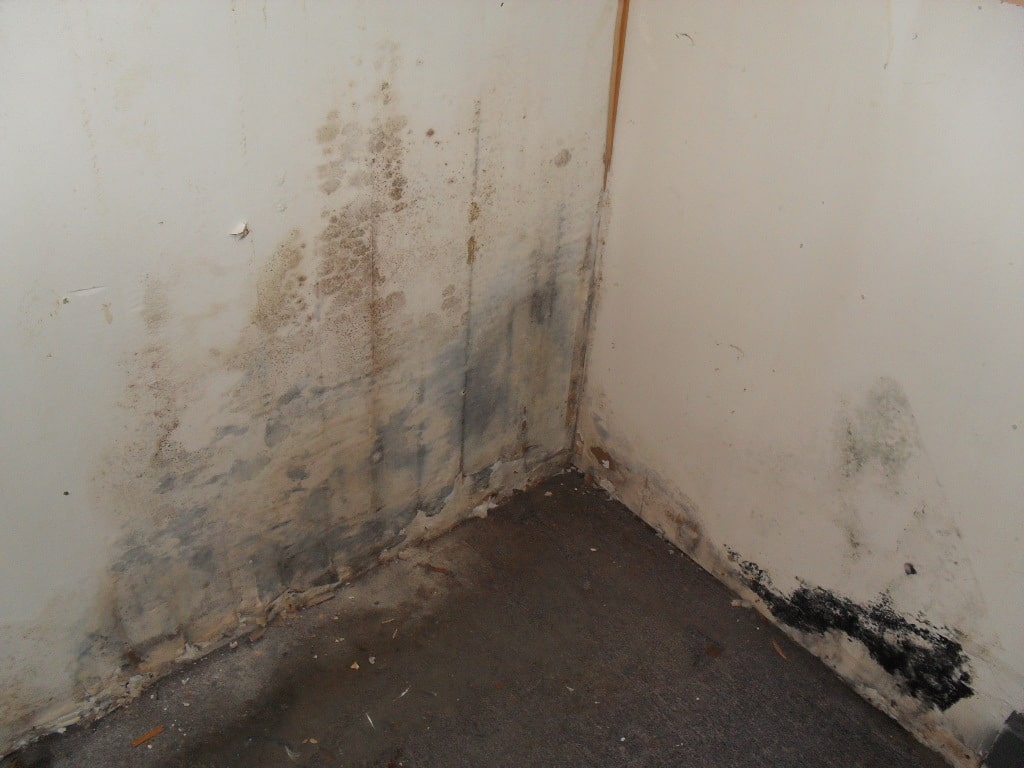
Mold Growth: Persistent moisture creates an ideal environment for mold, which can pose health risks to occupants.
Structural Damage: Continuous water infiltration can weaken the foundation and compromise the structural integrity of the home.
Property Damage: Belongings stored in the basement can be damaged by water exposure.
Decreased Property Value: A compromised foundation and water issues can reduce the home’s market value.
Preventative Measures and Solutions
To address foundation cracks and prevent basement water leaks, consider the following steps:
Regular Inspections: Conduct routine checks of the foundation for any signs of cracks or water intrusion. Early detection allows for timely repairs.
Proper Drainage: Ensure that the ground around the foundation slopes away from the house to prevent water accumulation. Installing or repairing gutters and downspouts can also help direct water away. KC Waterproofing and Foundation Repair
Waterproofing: Apply waterproof coatings or membranes to the exterior of the foundation to create a barrier against water infiltration. AquaGuard Waterproofing
Repairing Cracks: Small cracks can often be sealed with epoxy injections, while larger or structural cracks may require professional intervention. Reddit
Install Sump Pumps: In areas prone to flooding, sump pumps can help remove excess water from the basement, reducing hydrostatic pressure on the foundation.
Professional Assessment: Consulting with foundation repair specialists can provide tailored solutions to specific problems, ensuring long-term stability and dryness.
In conclusion, understanding the connection between foundation cracks and basement water leaks is vital for homeowners aiming to maintain a safe and dry living environment. By identifying the causes and types of foundation cracks, recognizing the risks associated with water leaks, and implementing preventative measures, homeowners can protect their properties from significant damage and preserve their investment for years to come.

Having started in 1990, we boast expert staff members with collective experience in the industry going strong for over 50 years. We promise our clients superior workmanship and quality in basement waterproofing and foundation repair at budget-friendly prices, capped by a fantastic client experience to ensure your ultimate satisfaction.
We are a local and family-owned business committed to providing top-notch basement waterproofing service and workmanship. We are also actively involved in several non-profit projects for the betterment of our community. In 2025 we celebrated 35 years.