


In modern construction and residential maintenance, a properly functioning sump pump system is crucial to prevent basement flooding, reduce water damage, and maintain the structural integrity of a building. Homeowners, property managers, and building contractors continuously face challenges such as stormwater accumulation, groundwater seepage, and issues related to water table fluctuations that can compromise sump pump efficiency. Sump pumps, by design, are engineered to manage water discharge through a combination of advanced features such as check valves, float switches, and battery backups. In addition, components like submersible pumps, control switches, and even circuit breakers play critical roles in ensuring that the pump operates effectively during storms or power outages. Understanding these components and the overall system configuration is the first step toward reducing routine maintenance challenges like corrosion, clogging, and mechanical failure.
This guide is designed to provide a comprehensive walkthrough of sump pump system configurations, regular inspections, core maintenance tasks, troubleshooting of common issues, weather preparedness, and when to seek professional support. By taking a detailed look at each aspect of a sump pump—from its installation in basement waterproofing projects to its role in protecting a building foundation—the content aims to empower readers with the knowledge needed to extend the lifespan of their pump system and avoid unexpected failures. With references to peer-reviewed research and industry benchmarks, this article also digs into quantitative safety margins and long-term performance data to ensure best practices are followed. Transitioning now to the specifics, the following sections explain how to understand, maintain, troubleshoot, and upgrade your sump pump system for optimal performance.
Understanding Your Specific Sump Pump System Configuration
Sump pump systems vary widely in design depending on factors such as the building’s age, water table level, and the specific environmental conditions of the property. In essence, understanding your specific configuration starts by identifying the sump pump type installed—whether it is a submersible pump placed within the sump pit or a pedestal pump that sits above the pit. Every pump comes with unique operational characteristics, and identifying the type of pump lays the foundation for further maintenance and troubleshooting.
Identifying the Type of Sump Pump Installed
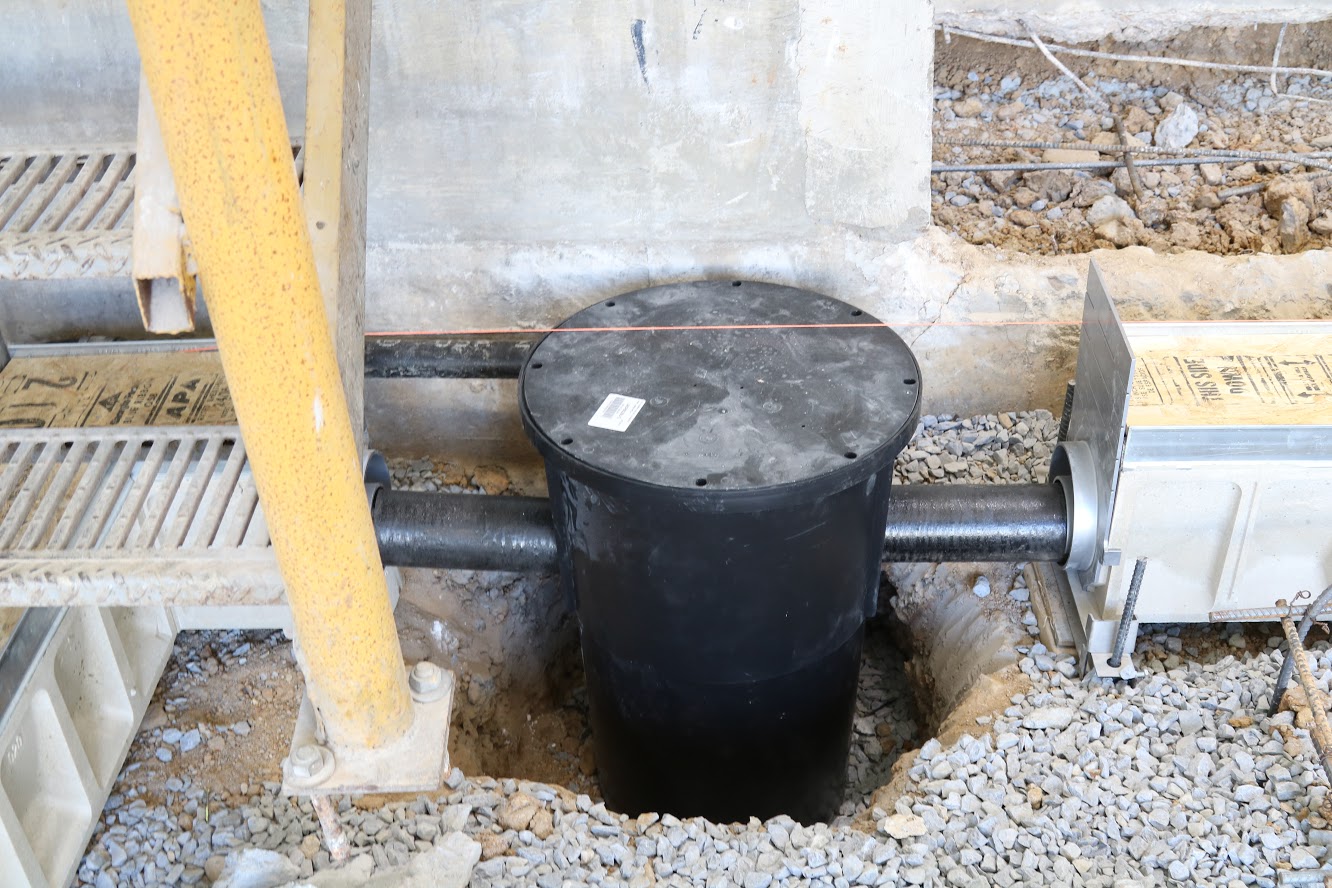
The first step is knowing whether your system uses a submersible or pedestal pump. Submersible pumps are designed to be fully submerged in water within the sump pit and are optimized for quieter operation and higher efficiency under continuous use. Pedestal pumps, on the other hand, have their motor mounted above the water and are typically easier to maintain due to better accessibility but may produce more noise. Both types have distinct benefits: while submersible models tend to better handle continuous inflow and are less susceptible to overheating, pedestal pumps offer easier visual inspection and maintenance of internal components. It is common for older constructions to feature pedestal pumps, while newer installations favor submersible models due to improved energy efficiency and longer service life.
Recognizing Key Components of Your Sump Pump Setup
A sump pump system is composed of several critical components that work in unison. These include the sump pit or basin, the pump unit itself, a check valve to prevent backflow, and a float switch that triggers the pump when water levels rise. Additionally, many systems may incorporate a battery backup to handle power outages. Other vital components include the discharge line, which is responsible for channeling water safely away from the building foundation. Understanding each part’s role helps in diagnosing overall system performance issues. For instance, corrosion on metallic parts due to moisture exposure or sediment and debris buildup in the sump pit can significantly affect efficiency.
How Your Basement Sump Pump System Operates
At its core, your sump pump system is designed to remove water that collects in the sump pit and route it away from the building’s foundation. When water enters the sump basin, the float switch senses the rise in water level and activates the pump. The pump then expels the water through the discharge pipe, typically installed to release water away from areas susceptible to high water tables or storm drain interference. Advanced systems might include sensors that provide diagnostic data on water depth and pump performance, ensuring higher reliability. This operation is especially critical during periods of continuous rainfall where underground water pressure can force water to rise quickly. Successful operation minimizes water stagnation, reduces humidity-related issues such as mold growth, and prevents water damage to the basement, steps that can also have implications on reducing corrosion in nearby metal components.
The Role of the Sump Pit or Basin
The sump pit is essentially the reservoir at the bottom of your basement or crawl space where excess water accumulates. Its size and design are crucial since a larger basin can store more water before triggering the pump, which is ideal during high-volume events such as floods. Sump pits are generally constructed from durable materials such as polyethylene or concrete to withstand continuous exposure to water and potential corrosive elements. Over time, sediment, radon, and organic debris may accumulate in the pit, potentially compromising the function of the float switch or even the pump itself. Regular cleaning of the sump pit is essential in maintaining system efficiency and protecting against bacterial growth or sludge formation that could lead to pump failure.
Importance of the Check Valve in Your System
The check valve is a small but indispensable component that prevents water from re-entering the sump pit after it has been pumped out. This valve acts as a one-way gate, ensuring that discharged water does not flow back into the pit, which could result in the pump running continuously. Continuous operation increases wear and tear on the motor and leads to inefficient energy use. Over time, check valves can deteriorate due to exposure to hard water deposits or debris, and periodic inspection and replacement are necessary. Proper function of the check valve not only improves the sustainability of the pump operation but also saves on repair costs over the long run.
Performing Routine Sump Pump System Inspections
Routine inspections are vital to ensure the sump pump system remains effective and reliable, preventing unexpected failures that could lead to significant water damage. Regular visual checks help identify problems before they escalate into costly repairs. General inspection routines should include examining the physical condition of the pump, verifying that control mechanisms such as float switches are operational, and ensuring that the power supply (often integrated with a circuit breaker or GFCI outlet) is secure. Establishing a systematic schedule for these inspections—typically on a monthly or seasonal basis—can greatly enhance the longevity of the sump pump and contribute to overall basement waterproofing strategies.
Establishing a Regular Visual Check Schedule
The first step in routine inspection involves a regular visual assessment of the sump pump and its immediate environment. Homeowners are advised to schedule inspections at least once every month or after heavy rains. During the inspection, look for signs of rust, corrosion, or debris accumulation within the sump pit. Check if the pump is well-installed, secure, and not showing any unusual wear on its exterior components. A consistent examination can reveal issues like premature wear or mechanical failures that might compromise the pump’s effectiveness in discharging water. Establishing a detailed checklist can further streamline the process, ensuring no component is overlooked.
Testing the Float Switch Activation Regularly
The float switch is fundamental to the pump’s operation as it initiates the discharge cycle when water levels exceed a preset threshold. Regular testing of the float mechanism is recommended, ideally during each monthly inspection. To test, manually add a small quantity of water to the pit and listen for the activation of the pump. If the pump does not start immediately, there might be an issue with the float or the wiring. Even a slight delay in activation can allow water levels to rise beyond safe limits, increasing the risk of basement flooding. Maintaining optimal performance requires sandbox testing the switch to verify its responsiveness, which in turn helps maintain the desired water table and prevents water damage.
Verifying the Sump Pump Power Connection
Ensuring that the pump’s power connection is secure and that the circuit breaker or GFCI outlet is functioning is another critical task during routine inspections. Electrical connections should be examined for signs of fraying, corrosion, or wear. Verify that the power cord is free of impurities and firmly plugged in. Additionally, test the outlet by using a voltage tester if necessary, to ensure that the pump will receive adequate power during emergencies, especially during storms or power fluctuations. This step is crucial because power failure during heavy rainfall can result in the sump pump being inoperable, leading to significant water accumulation and potential basement flooding.
Listening for Unusual Operating Sounds From the Pump
An effective method to gauge pump health is by listening to its operational noises. A properly functioning sump pump should produce a consistent, low-level hum during operation. Any unusual sounds such as grinding, rattling, or excessive vibration might be indicative of internal damage, debris accumulation, or mechanical wear in the impeller. Unusual sounds can also signal misalignment issues or motor problems that require attention immediately. Early detection of auditory anomalies can prevent complete failure and extend the pump’s lifespan, as well as reduce the possibility of secondary damages, such as corrosion or stress on the discharge line.
Inspecting the Sump Pump System Battery Backup
For systems that include a battery backup, periodic inspection of the battery’s charge and overall condition is paramount. Battery backups provide critical functionality during power outages, ensuring uninterrupted operation of the pump. Regularly check the battery terminals for corrosion and test the battery’s voltage using a multimeter. It is also advisable to replace the battery as per the manufacturer’s recommended lifecycle, often every 3-5 years, to guarantee reliable performance during emergency conditions. Keeping the backup battery well-maintained ensures that the sump pump system remains functional during critical times when regular power supply might be compromised.
Executing Core Sump Pump System Maintenance Tasks
Performing core maintenance tasks on a sump pump system is key to ensuring its long-term reliability and efficiency. Scheduled maintenance prevents mechanical failures and reduces the risk of basement flooding. Core tasks include cleaning debris, ensuring the discharge line remains free of obstructions, inspecting and cleaning the check valve, and testing other critical components. Each of these tasks not only prolongs the life of the system but also minimizes the frequency of emergency repairs. In addition, informed maintenance helps avoid issues that can be caused by corrosion or sediment build-up, which are detrimental to both the pump and the entire drainage network.
Cleaning Debris From the Sump Pit Annually
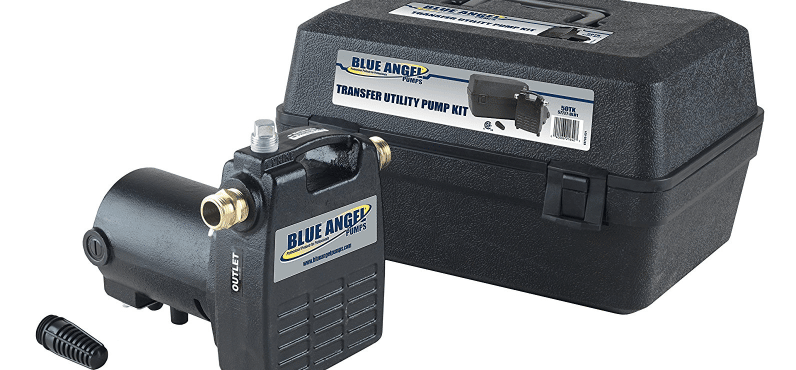
Cleaning the sump pit is one of the most crucial maintenance tasks, ideally performed at least once a year. Over time, sediment, dirt, and organic matter accumulate in the pit, potentially clogging the pump and affecting the float mechanism. When the sump pit becomes laden with debris, water flow is restricted, which can lead to premature wear and even pump failure. A thorough cleaning helps to remove any buildup, ensuring that the pump operates at peak efficiency. This task may also involve checking for signs of corrosion or damage to the basin walls and ensuring that the pump screen or intake is clear of any blockages. Annual cleaning is especially important in areas with high groundwater activity or when there is a significant amount of storm drain water entering the basin.
Ensuring the Discharge Line Is Clear and Unobstructed
The discharge line plays a critical role in channeling water away from your property. Regularly inspecting and cleaning this line is a necessary step toward avoiding blockage or flow restriction. Factors such as sediment, debris, or even ice formation in colder climates can lead to a partial or complete blockage in the discharge pipe. If water backs up into the sump pit, the pump may have to work harder, leading to overheating and mechanical fatigue. It is recommended to flush the discharge line periodically and inspect all joints and bends where deposits are likely to accumulate. Clear discharge lines also help to maintain the designed hydraulic head and pressure conditions required for efficient pump operation, ensuring that water is expelled with sufficient force to overcome local obstacles such as landscaping or nearby structures.
Examining the Check Valve for Proper Function
The check valve, a small but critical element in the sump pump system, prevents the backflow of water into the sump pit. Regularly inspect this valve to ensure that it operates correctly; if it sticks or fails, water may flow backward, forcing the pump to run continuously and leading to energy wastage and premature wear. Examining the check valve may involve removing the valve to clean any sediment deposits or replacing it if signs of wear or damage are detected. A properly functioning check valve ensures that once water is pumped out, it remains outside the basin, avoiding unnecessary cycling of the pump. It also helps to maintain the correct water pressure in the discharge line.
Cleaning the Pump Screen or Impeller Intake
Maintenance of the pump’s internal mechanisms, particularly the screen or impeller intake, is essential for optimal performance. The intake can easily become clogged with dirt, small debris, or even biological growth over time. When the intake is obstructed, the pump struggles to draw water effectively, leading to reduced flow rates and potentially damaging overworking of the motor. Cleaning the pump screen involves turning off the pump, disconnecting it from power sources, and removing any accumulated debris manually. Regular cleaning helps maintain smooth water flow, ensures effective operation, and prolongs the mechanical lifespan of the unit. It is advisable to check the screen at least bi-annually, or more frequently in heavily sediment-laden environments.
Testing the Ground Fault Circuit Interrupter (GFCI) Outlet
The GFCI outlet is a fundamental safety component that protects the pump and the user from electrical hazards. Testing the GFCI outlet on a regular basis is critical to ensure that it will function correctly during a fault or power surge. Use the built-in test button on the outlet to verify that it trips and resets correctly. If the outlet fails to operate as expected, it is advisable to replace it immediately to avoid any risk of electric shock or fire. Proper operation of the GFCI outlet also provides reassurance that the sump pump system is connected to a stable and safe power supply, especially during heavy usage prompted by stormwater or flood conditions.
How to Keep Your Sump Pump Running Smoothly
Maintaining a robust sump pump system is essential in protecting your property from water damage and basement flooding. Through regular inspections, core maintenance tasks, and prompt troubleshooting of emerging issues, homeowners can ensure that their system operates efficiently even during the most adverse weather conditions. Professional support plays a crucial role in extending the lifespan of the pump and ensuring the entire water supply network functions as intended. With proper care and timely upgrades, a well-maintained sump pump system can save costly repairs and provide peace of mind for years to come.

Having started in 1990, we boast expert staff members with collective experience in the industry going strong for over 50 years. We promise our clients superior workmanship and quality in basement waterproofing and foundation repair at budget-friendly prices, capped by a fantastic client experience to ensure your ultimate satisfaction.
We are a local and family-owned business committed to providing top-notch basement waterproofing service and workmanship. We are also actively involved in several non-profit projects for the betterment of our community. In 2025 we celebrated 35 years.