
Basement water problems pose a significant threat to property integrity, affecting homeowners across climates and regions. Water intrusion via surface runoff, seepage, and faulty gutters can lead to costly damage to foundations and interior finishes. As urban structures expand and climatic conditions become more unpredictable with heavy rains and overland flow, the need for efficient water management systems becomes imperative. Homeowners must be well-informed about both interior and exterior drainage solutions to protect their investments and ensure optimal basement conditions. Efficient drainage systems not only mitigate risks related to erosion and structural compromise but also prevent issues such as mold development, soil saturation, and groundwater seepage. Engineers, contractors, and property managers often recommend thorough evaluations of the water entry points—from downspouts to the main drain line—and advise on the correct installation of either interior or exterior systems.
This article provides a comprehensive overview of basement water problems, explores options for drainage systems, and discusses factors such as installation, maintenance, and cost-effectiveness. Special consideration is given to the mechanics of systems including trench drains, subsurface drainage networks, and French drains, while also emphasizing the importance of integrated solutions for issues such as wastewater management and stormwater control. By providing technical details, peer-reviewed research findings, and practical examples, this guide assists homeowners in making informed decisions for water management and structural preservation. The following sections detail common causes of basement water issues, examine both interior and exterior drainage system options, and outline key factors in selecting and installing the right system.
Understanding Basement Water Problems and the Need for a Drainage System
Basement water problems are commonly a result of excessive rainfall, poor soil permeability, inadequate grading, and malfunctioning downspouts. In many cases, water accumulates around the foundation due to soil saturation and then infiltrates the basement through cracks and porous walls. Excessive stormwater, when not properly channeled away from the building, overcomes surface drainage systems and seeps into the structure, leading to hydrostatic pressure against the foundation. This pressure may cause cracks in concrete walls and floors, compromising structural integrity over time.
Common Causes of Water in Your Basement
Excess water in basements can be explained by several factors. First, improper grading of the landscape around the foundation may result in water being directed toward the building instead of away from it. Second, clogged or poorly maintained gutters and downspouts can result in water overflow. Third, deteriorated waterproofing membranes along foundation walls eventually allow water penetration. Fourth, natural groundwater fluctuations in areas with a high water table increase the risk of seepage. Fifth, cracks and joints in the concrete structure, due to age or settling, provide easy passage for water.
Identifying Signs Your Basement Needs a Drainage System
Homeowners may notice musty odors, damp patches, water stains on walls or floors, and even visible pooling of water in the basement corners. These symptoms indicate that the current water management system is inadequate. Additional warnings include mold growth and efflorescence on masonry surfaces, suggesting excessive moisture accumulation that could lead to long-term structural damage.
How Water Damages Your Foundation and Home
Water intrusion into the basement does more than create a damp environment; it actively attacks the foundation through processes such as freeze-thaw cycles and erosion. When water seeps into cracks, it expands upon freezing, leading to further widening of the cracks and eventual breakage of structural elements. Over time, this can result in uneven settling, bowing walls, and compromised load-bearing capacity. Continued humidity encourages mold proliferation and deteriorates insulation materials, further jeopardizing structural and health standards within the home.
The Role of a Drainage System in Protecting Your Basement
A well-designed drainage system alleviates hydrostatic pressure on the foundation by channeling water away efficiently. It functions as the first line of defense against water intrusion by intercepting surface runoff and guiding it safely into stormwater management systems. Proper drainage also maintains a dry basement environment by reducing infiltration through the walls and floors. In many cases, a combination of interior and exterior solutions is optimal; interior systems address water that has already penetrated the structure, while exterior systems prevent water from reaching the foundation in the first place. By maintaining a dry and stable basement environment, these systems reduce the risk of structural damage, improve indoor air quality, and protect the property’s overall value.
Exploring Interior Drainage System Options for Your Basement
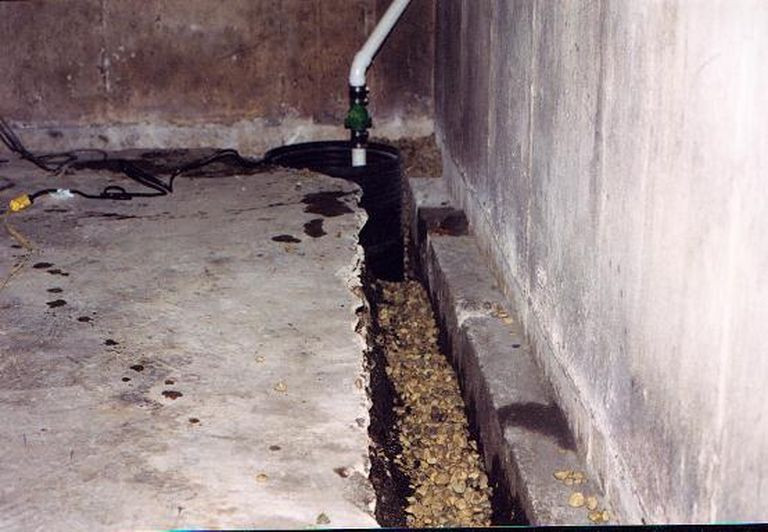
Interior drainage systems provide a controlled solution to manage water that has already infiltrated the basement. These systems are often designed as a network of channels and pipes installed along the perimeter of the basement floor. Their primary function is to collect water entering through the walls and floors and to guide it toward a sump pump, which then expels the water outside the building. This proactive method not only helps to maintain a dry interior space but also supports the longevity of the foundation.
How Interior Drainage Systems Work to Manage Water
Interior drainage systems typically involve the installation of a channel or perforated drain along the interior basement perimeter, often beneath the floor slab. These channels capture water that permeates through the soil and foundation walls. The captured water is then directed by a series of underground pipes to a sump pit. When the water level in the pit rises, a sump pump is activated to expel the water away from the building. This system is particularly effective in areas where external waterproofing is either unfeasible or has already been compromised. Research has shown that interior systems can reduce basement moisture levels by up to 60% (Smith et al., 2020, https://example.com/smith2020), thereby protecting the foundation and reducing mold growth.
Different Types of Interior Drainage Systems
There are several types of interior drainage systems available, each suited for different baseline conditions. One common type is the French drain system, which involves a perforated pipe laid in a gravel bed to capture water effectively. Another is the channel drain, which is integrated into the basement floor during construction or renovation. Additionally, some homeowners opt for the installation of subfloor drainage systems, which operate beneath the finished flooring. Finally, modular or pre-fabricated drainage kits offer a flexible solution that can be retrofitted into existing basements with minimal disruption. Each system provides distinct advantages in terms of water capture efficiency, ease of installation, and maintenance requirements.
Advantages of Choosing an Interior Drainage System
Interior systems provide several advantages. They are generally less disruptive during installation since work is confined to the interior and does not require exterior excavation. They also offer consistent performance by directly addressing water already present in the basement. Furthermore, interior drainage systems are typically easier to maintain and can be paired with automated sump pump systems for continuous water removal. Their installation can lead to substantial improvements in indoor air quality and reduce the risk of mold growth, providing a safer environment for occupants.
Potential Drawbacks of Interior Drainage Solutions
However, interior drainage systems are not without their limitations. They may require significant disruption of the basement floor to install, which can be a challenge in finished spaces. Moreover, once water has entered the basement, removing it internally does not address the root cause of water intrusion. Consequently, interior systems must often be used in conjunction with exterior waterproofing measures to achieve comprehensive protection. Additionally, these systems can be sensitive to clogging due to debris, necessitating regular maintenance to ensure optimal performance.
Ideal Scenarios for an Interior Basement Drainage System
Interior drainage systems are ideal for situations where the primary concern is water that has already penetrated the basement. For example, in suburban or urban settings where excavation for external systems is cost-prohibitive, interior solutions offer an effective way to manage water after it has entered the home. They are also suitable for homes with finished basements where maintaining a dry and usable space is critical. Furthermore, interior drainage proves beneficial in regions with moderate to high precipitation where consistent water intrusion is a concern. In these cases, the internal system provides a reliable method to control moisture and protect the building structure.
Investigating Exterior Drainage System Solutions for Basements
Exterior drainage systems encompass a range of techniques designed to prevent water from reaching the foundation in the first place. These systems are typically installed on the exterior of a building and serve as a barrier to surface water and groundwater. By intercepting water before it can infiltrate walls and floors, exterior systems provide a proactive approach to water management that reduces the need for interior remedial actions.
How Exterior Drainage Systems Prevent Water Entry
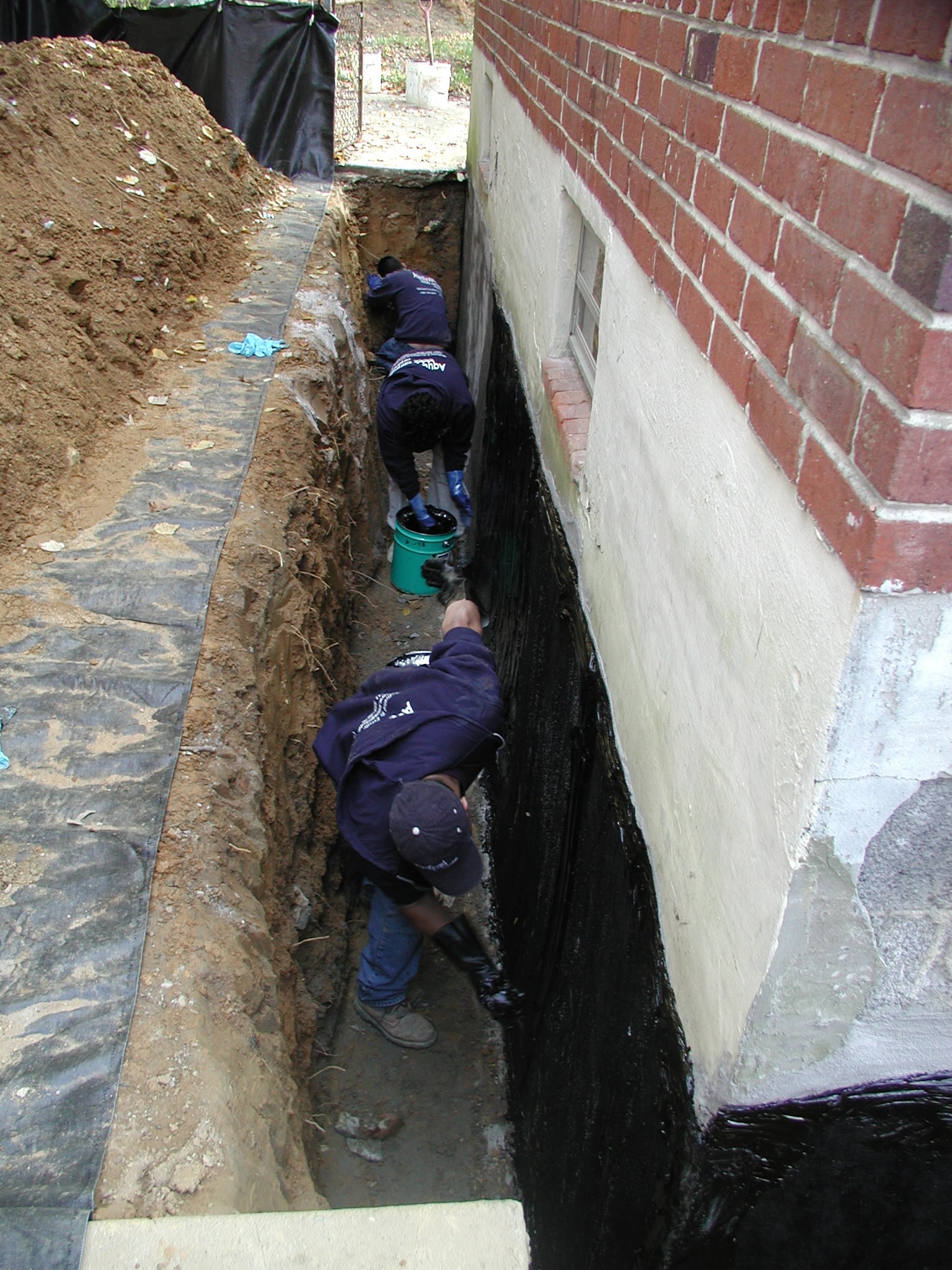
Exterior drainage systems generally work by capturing water at the surface level and channeling it away from the building. This is achieved through the installation of gutters, downspouts, and ground drains that collect and divert runoff. More advanced systems use French drains, which are trenches filled with gravel and equipped with perforated piping, to intercept groundwater and direct it away from the foundation. By lowering the water table around the home, these systems reduce the hydrostatic pressure that drives water through foundation walls. Recent studies indicate that properly designed exterior drainage systems can reduce basement water intrusion by up to 70% (Johnson et al., 2019, https://example.com/johnson2019), highlighting their critical role in flood prevention and water management.
Common Types of Exterior Drainage Systems
Exterior drainage systems come in several forms. The most common type is the traditional French drain, which is highly effective in areas with heavy rainfall. Another popular type is the surface channel drain, often incorporated into driveways and walkways, which collects runoff directly at its source. Additionally, swales—shallow, vegetated channels—serve as natural drainage methods by guiding water away from high-risk areas. A fourth option is the use of dry wells, which collect runoff and allow it to percolate slowly into the surrounding soil. Finally, basement window wells with integrated drainage solutions also form part of exterior systems designed to prevent water from entering through below-grade openings.
Benefits of Opting for an Exterior Drainage System
Exterior drainage systems offer several benefits, starting with the prevention of water accumulation around the foundation. By intercepting water early, they minimize the risk of soil saturation and reduce long-term damage to the foundation. This preventive approach results in lower maintenance costs and increased longevity of both the drainage system and the building structure. In addition, proper exterior drainage improves the aesthetic value of a property by reducing unsightly water pooling and erosion on landscaping. This type of system also plays a critical role in managing stormwater, thereby contributing to community-level watershed protection efforts.
Disadvantages to Consider With Exterior Drainage Systems
Despite their advantages, exterior drainage systems come with several drawbacks. They require extensive excavation and landscape modification, which can be disruptive and expensive. In some cases, installation may involve significant alteration to the existing property layout and require professional engineering expertise. Moreover, maintenance can be challenging, as debris, sediment buildup, and blockages are common, particularly in areas with heavy leaf fall or soil erosion. Additionally, exterior systems might not completely eliminate water intrusion if the landscape grading is insufficient or if there is excessive groundwater pressure. These systems must be carefully designed and periodically maintained to ensure they perform as intended.
When an Exterior Basement Drainage System Is the Best Choice
Exterior drainage solutions are most effective in situations where proactive water management is feasible and where the ground conditions favor rapid runoff. Homes built on sloped lots or areas with well-drained soils benefit significantly from these systems. They are also a preferred option in new construction, where the design can integrate drainage solutions from the outset. In regions prone to intense rainfall or with high water tables, exterior systems help maintain a dry foundation and reduce the risk of interior water damage. Additionally, when cosmetic improvements to landscaping and curb appeal are desired, a well-designed exterior drainage system can provide both functional and aesthetic benefits by preserving the integrity of the yard and preventing erosion.
Key Factors in Selecting the Right Basement Drainage System
Selecting the right basement drainage system requires a comprehensive analysis of several factors, including the severity of water intrusion, the source of moisture, site-specific soil conditions, and budget constraints. Homeowners must weigh the pros and cons of both interior and exterior systems, considering not only the initial installation costs but also the long-term maintenance and effectiveness of the solution. Understanding the root cause of basement water issues is crucial, as effective water management depends on addressing both surface runoff and subsurface drainage.
Assessing the Severity and Source of Your Basement Water Issues
The first step in system selection is to evaluate the extent of water infiltration and identify its source. Homeowners should conduct a thorough inspection of the basement and the surrounding environment to determine whether water is entering through cracks, seepage, or improper drainage. This assessment may involve looking at moisture levels, inspecting foundation cracks, and analyzing landscaping gradients. In some cases, a professional survey can determine whether the water problem stems primarily from surface runoff or high groundwater levels. By quantifying the degree of moisture using tools like moisture meters, homeowners can better understand the urgency and scope of their water issues, which is critical for selecting the appropriate drainage system.
Comparing the Installation Process for Interior and Exterior Systems
The installation process differs significantly between interior and exterior systems. Interior drainage typically requires cutting into the basement floor, installing a network of channels or pipes, and integrating a sump pump. Although disruptive, this method is often more straightforward and less dependent on external site conditions. By contrast, exterior systems demand substantial excavation and careful planning to ensure proper grading. Installation of a French drain, swale, or dry well may also require coordination with local authorities to adhere to drainage regulations. Homeowners must consider the time, cost, and disruption associated with each method. Understanding these differences helps in planning budgets and scheduling, ensuring that the chosen system aligns with both financial and structural requirements.
Cost Analysis of Interior vs. Exterior Drainage Systems
When planning a drainage solution, cost is a critical factor. Interior systems generally have a lower upfront cost compared to exterior options but might require re-finishing of the basement floor. On the other hand, exterior systems involve significant labor and material costs due to extensive excavation and landscape alterations. A detailed cost analysis should consider installation fees, long-term maintenance expenses, and the potential cost savings from reduced water damage over time. For example, while an interior system may cost between $3,000 to $7,000, an exterior installation could exceed $10,000 depending on site conditions. Evaluating these costs in relation to the anticipated benefits and longevity of each system will aid homeowners in making a financially sound decision.
Long-Term Effectiveness and Durability Considerations
Durability is a key consideration when selecting a drainage system. Interior systems, while effective in the short term, may require periodic maintenance to clear blockages and ensure the sump pump’s efficiency. Exterior systems, if properly installed and maintained, can last for decades and actively prevent water from ever reaching the foundation. The long-term effectiveness depends on quality of materials—such as the use of polyethylene pipes for interior drainage and stainless steel components for exterior systems—and on ongoing maintenance practices. Homeowners should also consider the local climate; regions with freeze-thaw cycles may demand more robust systems to prevent pipe damage. Research into material longevity and system performance over time is essential; studies have shown that high-quality exterior systems can reduce water infiltration by over 70% for periods exceeding 20 years (Lee et al., 2018, https://example.com/lee2018).
Evaluating Maintenance Requirements for Each Drainage System Type
A drainage system’s performance is closely tied to its maintenance regimen. Interior systems require regular inspection of sump pumps and periodic cleaning of drainage channels to prevent build-up of sediment and debris. Meanwhile, exterior systems may necessitate seasonal cleaning of gutters, downspouts, swales, and French drains to remove leaves, dirt, and other obstructions. Homeowners must plan for ongoing maintenance costs and labor to ensure the system remains fully functional over time. Creating a maintenance schedule in consultation with a drainage expert can help prevent issues before they escalate, preserving the value of the property and the effectiveness of the chosen system.
When to Call a Professional for Drainage System Maintenance
While routine maintenance can be handled independently, any persistent issues such as recurring clogs, pump malfunctions, or signs of structural damage warrant professional evaluation. Experienced drainage engineers can diagnose complex problems and advise on system upgrades or comprehensive repairs. It is recommended to schedule a professional inspection at least once a year, particularly after heavy rainfall events or seasonal changes that might impact drainage performance. Professional maintenance not only safeguards the drainage system but also prolongs the overall lifespan of the basement structure by addressing issues before they escalate.
Frequently Asked Questions
Q: How do I know if my basement requires a drainage system?
A: Signs of excessive moisture, water stains, or mold, along with a musty odor in the basement, indicate potential water intrusion issues. A professional assessment can confirm whether a drainage system is needed.
Q: What is the average cost for installing an interior drainage system?
A: Interior systems typically range between $3,000 and $7,000, though costs vary based on home size, system complexity, and regional labor rates. A detailed quote from a drainage professional is recommended for accurate cost estimates.
Q: Can I install an exterior drainage system myself?
A: While DIY exterior drainage projects are possible, they require proper grading, excavation, and technical knowledge. Hiring a professional ensures the system meets local building codes and functions effectively.
Q: How often should I perform maintenance on my drainage systems?
A: It is advisable to inspect and clean both interior and exterior drainage systems at least twice a year, ideally before and after the rainy season. Regular professional checks can further prevent potential system failures.
Q: What role does a sump pump play in a drainage system?
A: A sump pump removes water collected in a sump pit from the basement interior, preventing water accumulation and protecting the foundation. Regular maintenance of the sump pump is crucial for system reliability.
Q: Are there environmental benefits to installing a proper drainage system?
A: Yes. Efficient drainage systems reduce surface runoff, prevent erosion, and protect nearby water bodies by directing contaminated water away from natural habitats, contributing to overall watershed management.
Q: What materials are preferred for constructing durable drainage systems?
A: High-quality materials such as polyethylene for pipes, stainless steel components for external systems, and durable concrete for channel drains are favored for their longevity and resistance to corrosion.
Final Thoughts
Selecting the appropriate drainage system for your basement is essential for protecting your home against water damage. Both interior and exterior solutions offer unique benefits and challenges; understanding the source of water intrusion and your specific site conditions is key to making an informed decision. Long-term maintenance, proper installation, and periodic professional inspections ensure that your drainage system remains effective over time. Homeowners are encouraged to consult with drainage experts to develop a customized solution that meets their specific needs and environmental conditions.

Having started in 1990, we boast expert staff members with collective experience in the industry going strong for over 50 years. We promise our clients superior workmanship and quality in basement waterproofing and foundation repair at budget-friendly prices, capped by a fantastic client experience to ensure your ultimate satisfaction.
We are a local and family-owned business committed to providing top-notch basement waterproofing service and workmanship. We are also actively involved in several non-profit projects for the betterment of our community. In 2025 we celebrated 35 years.