

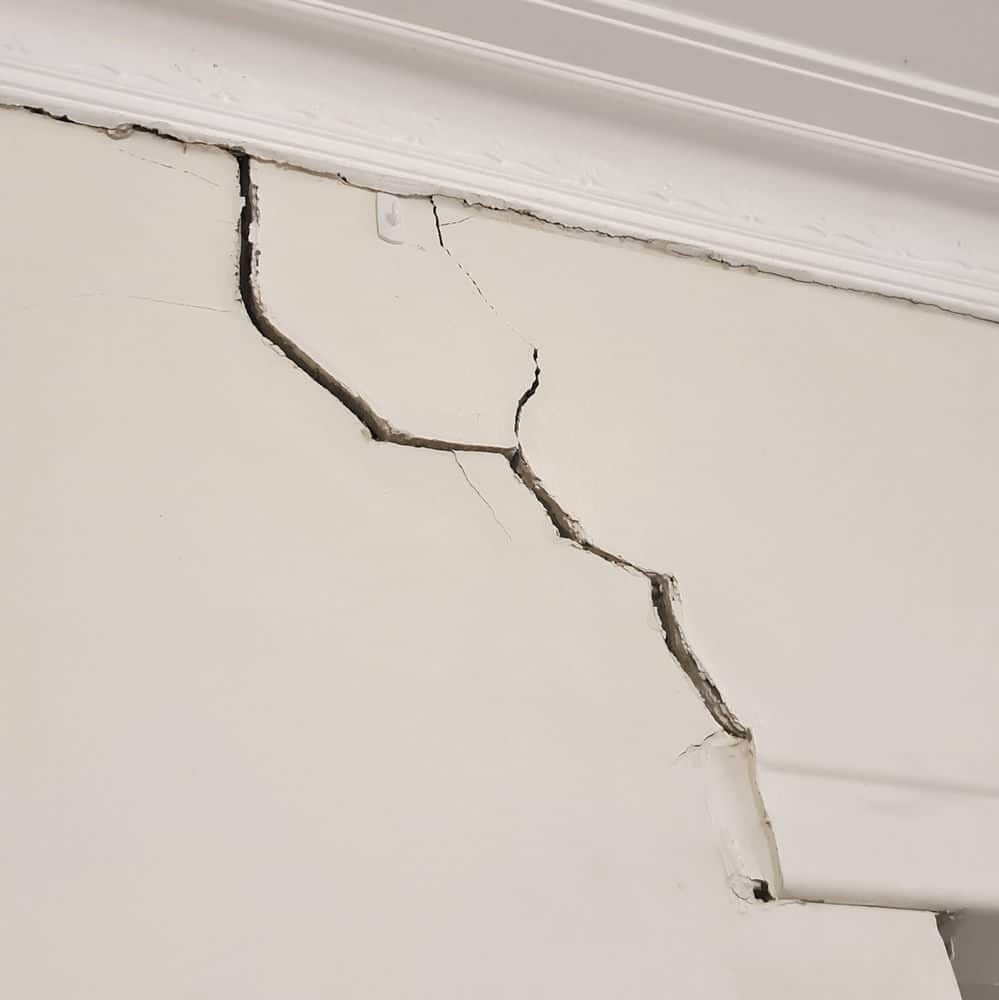
When it comes to the stability of a home, the foundation is paramount, yet it is not immune to problems. From minor cracks that hint at underlying issues to significant foundation failure due to soil pressure or water damage, homeowners face a variety of challenges.
Thankfully, with advancements in construction technology and deep-rooted knowledge from experts, repairing foundation problems has become more effective and enduring.
Techniques range from steel piering to innovative polyurethane foam jacking, each designed to address specific types of damage and soil conditions. Dive deeper into the world of foundation repair as we explore effective solutions that ensure the longevity and safety of your property.
Identifying Common Foundation Problems
Identifying common foundation problems is essential in maintaining the structural integrity of a home.
Foundation issues can vary significantly, ranging from minor cracks to major shifts in the soil beneath a property. Understanding the types of foundation damage and their indicators, assessing the severity of foundation issues, and recognizing the signs that your house might have foundation problems are critical steps in preventing further damage.
By staying informed about how to spot these issues early, homeowners can address problems swiftly, ensuring the safety and longevity of their property.
Types of Foundation Damage and Their Indicators

Foundation damage manifests in various forms, each with its unique indicators that signal trouble beneath your home. Cracks in the concrete slab, uneven floors, and doors that refuse to close properly are often the first signs homeowners notice. These symptoms suggest shifting or settling of the foundation, a common result of changes in the soil’s moisture content or the presence of invasive tree roots.
Water infiltration stands out as a prime contributor to foundation issues, leading to the deterioration of materials and the destabilization of the structure. Telltale signs include water stains on basement walls, a musty odor indicating mold or mildew presence, and visible leaks around the perimeter of the house. Recognizing these indicators early can spare homeowners from more severe and costly foundation repairs down the line.
Assessing the Severity of Foundation Issues
Assessing the severity of foundation issues begins with a thorough evaluation, often conducted by a professional foundation repair contractor. This step is vital in distinguishing minor aesthetic concerns from structural threats that could compromise the entire home.
A foundation specialist’s evaluation might include checking for uneven pressure distribution across the property, the impact of groundwater on foundation stability, and any signs of deep foundation failure. Tools like hydraulic pumps and digital measurement devices aid in giving accurate assessments, helping homeowners understand the scope of needed repairs.
Signs Your House Might Have Foundation Problems
Sticky windows and doors that no longer fit their frames signal foundation trouble, hinting at the uneven settling of the house. This misalignment often arises from soil shifting or expansion beneath the property, exerting pressure against the foundation and distorting structural elements.
Another telltale sign is the appearance of diagonal cracks running from the corners of doors and windows, an indicator of stress within the wall framing caused by shifting foundations. These visual cues alert homeowners to underlying issues that, if left unchecked, could lead to more significant foundation problems.
The Importance of Professional Foundation Assessments
Addressing foundation problems is not merely about identifying cracks or leaks; it involves a deeper understanding of the underlying issues and the best ways to mitigate them.
Initiating a professional foundation assessment becomes imperative when homeowners notice any red flags suggesting potential foundation failure.
During such an inspection, experts employ their vast knowledge and specialized tools to methodically evaluate the extent of damage and the influence of various factors like soil conditions, water infiltration, and structural load.
Homeowners can anticipate a comprehensive report post-inspection, detailing the severity of the foundation issues, recommended repair methodologies, and estimates to guide the decision-making process.
This structured approach ensures not just a remedy for the symptoms but a long-lasting solution to the root causes of foundation problems.
When to Call a Foundation Expert
Reaching out to a foundation expert becomes necessary the moment early signs of foundation distress are observed, such as unexplained cracks on walls or floors, doors that won’t shut properly, or pools of water near the foundation after a rainfall. These symptoms imply that the foundation may be experiencing undue stress or damage requiring professional insight.
A foundation specialist near me should be consulted when changes in the landscape, like new tree growth or erosion, potentially threaten the integrity of a home’s foundation. Their expertise and equipment enable them to diagnose the issue accurately, offering solutions that prevent minor problems from escalating into costly repairs.
What to Expect During a Professional Foundation Inspection
Diving into a professional foundation inspection involves a detailed process where an expert foundation repair contractor examines your property meticulously. They leverage advanced tools and techniques, including digital levels and soil sensors, to gauge the foundation’s condition and pinpoint problem areas. This scientific approach ensures that the evaluation is not just based on surface-level observations but on concrete data about your home’s foundation integrity.
Throughout this comprehensive assessment, homeowners can expect the foundation specialist to walk them through each step, explaining the significance of findings and potential implications for their property. This interactive session aims to demystify the complexities of foundation damage, providing clarity on issues like soil instability, water damage, and structural weaknesses. The outcome is a detailed report offering actionable insights and tailored solutions to safeguard your home against foundation problems.
Understanding Your Foundation Repair Report
Upon receiving your foundation repair report, it becomes a pivotal document outlining the strategic roadmap for addressing your property’s foundation concerns. This report, crafted by seasoned engineers or foundation specialists, encapsulates a detailed analysis of the damage, pinpointing areas requiring immediate action and those that could pose future risks. It serves as a guide, bridging the gap between identifying issues and implementing practical repair solutions.
The foundation repair report not only presents an in-depth evaluation of the current state of your foundation but also recommends a tailored approach for rectification. Whether the proposed method involves underpinning with steel piers, utilizing polyurethane foam injections for soil stabilization, or correcting water drainage issues to prevent further erosion, this document outlines the necessary steps and associated costs. Understanding its contents empowers homeowners to make informed decisions, ensuring the integrity and longevity of their home’s foundation.
Steel Piering as a Foundation Repair Method
Steel piering stands as a robust solution within the realm of foundation repair, offering distinct benefits for homes grappling with foundation instability.
This method relies on driving steel piers into the ground to a stable soil layer, bypassing weaker soil layers that contribute to foundation problems.
The focus here shifts from merely treating the symptoms of foundation damage to addressing its root cause—ground instability.
As we delve into how steel piers work to stabilize foundations, the process of their installation, and the inherent advantages of choosing steel piering for deep foundation repair, it becomes clear why this approach is favored for its durability and effectiveness in providing long-term solutions.
How Steel Piers Work in Foundation Stabilization
Steel piers function by transferring the weight of a structure from unstable or weak soil to a more stable and deeper soil layer. This method involves driving steel piers deep into the ground until they reach a load-bearing stratum, capable of supporting the weight. The precise engineering behind this technique ensures that the foundation’s load is evenly distributed, preventing future settlement or shifting.
Once the steel piers are securely anchored into the stable soil layer, hydraulic jacks are used to carefully lift and stabilize the foundation. This not only rectifies current foundation instability but also safeguards the structure against potential movement caused by soil fluctuations. The effectiveness of steel piers lies in their ability to provide a permanent solution to foundation instability issues.
The Process of Installing Steel Piers
The process of installing steel piers begins with a careful evaluation of the affected foundation by a team of professional foundation repair experts. They use state-of-the-art equipment to drill holes at strategic points around the foundation, ensuring minimal disruption to the surrounding landscape and property.
Following the initial site preparation, steel piers are then methodically driven into the ground until they reach a stable soil layer deep below the surface. This stage involves precision and expertise to ensure that the piers are inserted to the correct depth, providing a solid base for the foundation to rest upon.
Advantages of Steel Piering for Deep Foundation Repair
One of the fundamental advantages of steel piering for deep foundation repair is its remarkable durability and long-term effectiveness. Unlike other methods that may offer temporary fixes, steel piering directly tackles the underlying issues causing foundation instability by reaching stable soil layers far beneath the surface, ensuring the foundation receives robust support that withstands the test of time.
Steel piering also offers the advantage of minimal environmental impact compared to traditional repair methods. Its installation process is designed to preserve the surrounding landscape and property, reducing the need for extensive excavation and the potential harm to nearby plant life, including trees and lawns. This approach not only protects the aesthetic appeal of a property but also contributes to environmentally friendly repair practices.
Advanced Techniques: Slab Piering and Mudjacking
Exploring the realm of foundation repair introduces homeowners to a variety of sophisticated methods, each designed to address specific types of foundation issues.
Among these, slab piering and mudjacking stand out as advanced techniques, both aiming to restore structural integrity where it’s most compromised.
Slab piering separates itself by offering a strategic solution for more severe conditions, involving the insertion of support piers below the foundation to secure it to stable soil layers deep underground.
On the other hand, mudjacking provides a less invasive fix, utilizing a slurry mixture injected under the foundation to lift and stabilize it.
Understanding the nuanced step-by-step processes behind slab piering and mudjacking is essential for identifying which method best suits a particular foundation’s needs, offering insight into their unique approaches to raising and stabilizing foundations.
Differentiating Slab Piering From Other Methods
Slab piering stands out in the realm of foundation repair for its direct approach to solving severe foundation problems. Unlike methods such as polyurethane foam jacking, which tends to offer more superficial, temporary adjustments, slab piering involves drilling into the earth and inserting piers that reach stable soil layers, offering a permanent solution to foundation instability.
In contrast to mudjacking, which adjusts a foundation by injecting a mixture beneath it to lift and stabilize, slab piering bypasses unstable soil completely, anchoring the structure to a solid foundation far below the surface. This makes it a more reliable choice for foundations experiencing significant shifts and damages, ensuring long-term stability and peace of mind for property owners.
The Step-by-Step Process of Slab Piering
The step-by-step process of slab piering begins with a meticulous site evaluation conducted by foundation experts to pinpoint the precise areas of instability. Once the affected zones are identified, small holes are strategically drilled through the slab to reach the unstable soil beneath. This initial step is crucial for preparing the site for the insertion of piers directly into the ground.
Following the preparation phase, heavy-duty steel piers are driven deep into the earth until they anchor into stable, load-bearing soil strata, far below the surface layer that has caused the foundation to shift. The house or structure is then gradually elevated to its original level through the careful application of hydraulic jacks, which utilize the solidly embedded piers as leverage points. This method does more than just correct current discrepancies; it provides a long-standing solution against future foundation problems.
Introduction to Mudjacking for Foundation Repair
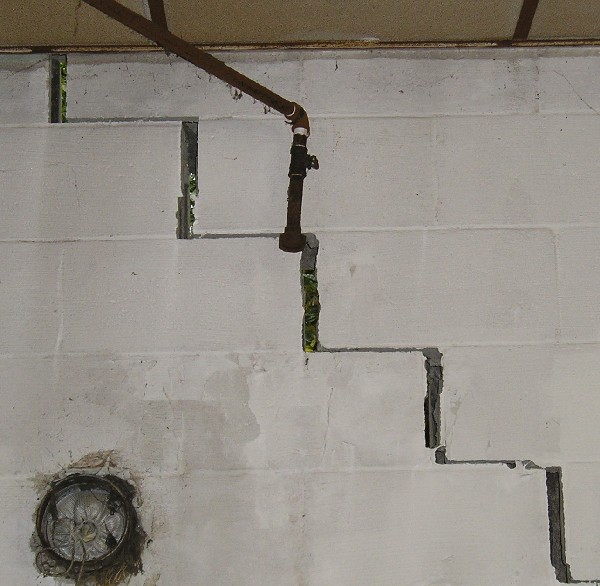
Mudjacking serves as an efficient method for correcting foundation issues by injecting a specialized mix, often consisting of water, soil, and cement, directly beneath the compromised concrete to elevate it back to its original position. This technique is particularly valuable for addressing minor to moderate foundation settling and unevenness without the need for extensive excavation.
The appeal of mudjacking lies in its straightforward application and ability to quickly resolve foundation discrepancies, making it a popular choice among homeowners and repair contractors looking for a cost-effective solution. By filling voids in the underlying soil, it not only lifts the foundation but also contributes to its future stability against shifting and settling.
How Mudjacking Works to Raise and Stabilize Foundations
Mudjacking targets the underlying cause of foundation instability by injecting a dense, durable slurry beneath the concrete slabs. This process begins with drilling small holes into the affected area, allowing the mixture to be pumped under the foundation. As the slurry expands, it fills the voids, lifting the foundation back to its intended level, and ensuring even support and stabilization.
Once the slurry hardens, it provides a solid base that prevents further sinking or displacement of the foundation. This method is highly effective for correcting minor to moderate foundation issues, offering a less invasive alternative that avoids the extensive labor and costs associated with more complex repair techniques.
Conclusion
In conclusion, addressing foundation problems with effective solutions is crucial for the safety and longevity of any property.
From identifying early signs of damage such as cracks and uneven floors to consulting professionals for thorough assessments, the proactive steps taken by homeowners can prevent minor issues from evolving into costly repairs.
Techniques like steel piering and helical piers offer durable solutions for stabilizing foundations by reaching stable soil layers, while innovative approaches like polyurethane foam jacking and mudjacking provide quick, less invasive fixes for a variety of foundation concerns.
Ultimately, understanding the specific needs of one’s foundation and choosing the most suitable repair method ensures a secure and stable home, safeguarding against future foundation problems.

Having started in 1990, we boast expert staff members with collective experience in the industry going strong for over 50 years. We promise our clients superior workmanship and quality in basement waterproofing and foundation repair at budget-friendly prices, capped by a fantastic client experience to ensure your ultimate satisfaction.
We are a local and family-owned business committed to providing top-notch basement waterproofing service and workmanship. We are also actively involved in several non-profit projects for the betterment of our community. In 2020 we celebrated our 30th Anniversary.